Bir bor yuz bergan xavfli vaziyat meni ishonchli yerlash tugmasining ahamiyatini o'rgatdi
O'tgan yozda bizning jamoamiz metall qayta ishlash zavodidagi 11 kV transformator tarmog'iga chaqirildi, bu yerda oddiy texnik xizmat ko'rsatish deyarli favqulodda vaziyatga aylanib ketdi. Xodimlar izolyatorlarni ochgan, lekin chiziq 'o'lik' deb taxmin qilib, yerlashuv tugmachasini yopishni o'tkazib yuborishdi. Ularning bilmaganida, kabelarda mayda induktiv zaryad saqlanib qolgan edi. Texnik xodim busbar (tarmoq shinasiga) qo'lini ochiq holda (qo'lyorghi kiygan, lekin kuchlanish sinovchisi yo'q holatda) tegizganda, chirq o'tdi — xeyli omadli bo'ldi, chunki u jarohatlanmadi, lekin bu hammasidan muhimroq voqea bo'ldi. Biz ularning eskirgan qurilmasini o'zimizning mustahkam yerlashuv tugmachamiz bilan almashtirdik va natija farqini his etish mumkin edi. Bizning yerlashuv tugmachamizda ko'rinadigan, mexanik 'yopiq' ko'rsatkichi bor, bu esa hech qanday taxmin qilish imkonini bermaydi. Zavodning bosh elektrik mutaxassisi keyinchalik shunday dedi: "Bu yerlashuv tugmachasi faqat g'ildirak emas; bu mening jamoam uchun oxirgi himoya chizig'i." Bu hodisa yerlashuv tugmachasining yuqori xavfli elektr tizimlarida majburiy ekanligini qayta tasdiqladi — u xavfli qoldiq zaryadni chiqarib yuboradi va texnik xizmat ko'rsatish davomida nol kuchlanishni ta'minlaydigan mustahkam yer yo'lini yaratadi.
Asosiy funksiya: Yerlangan qurilma haqiqatan ham nima qiladi
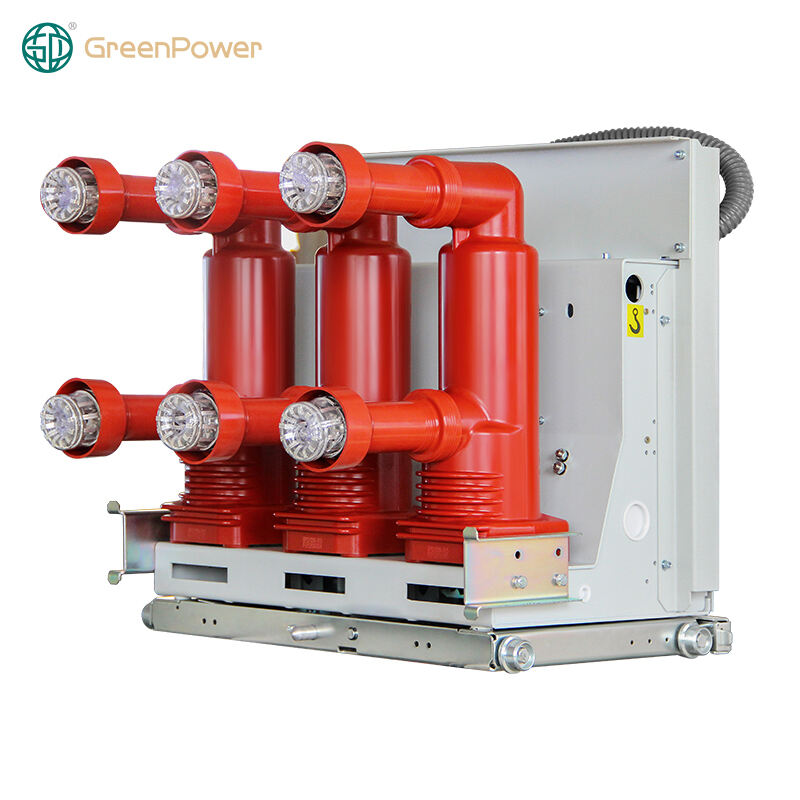
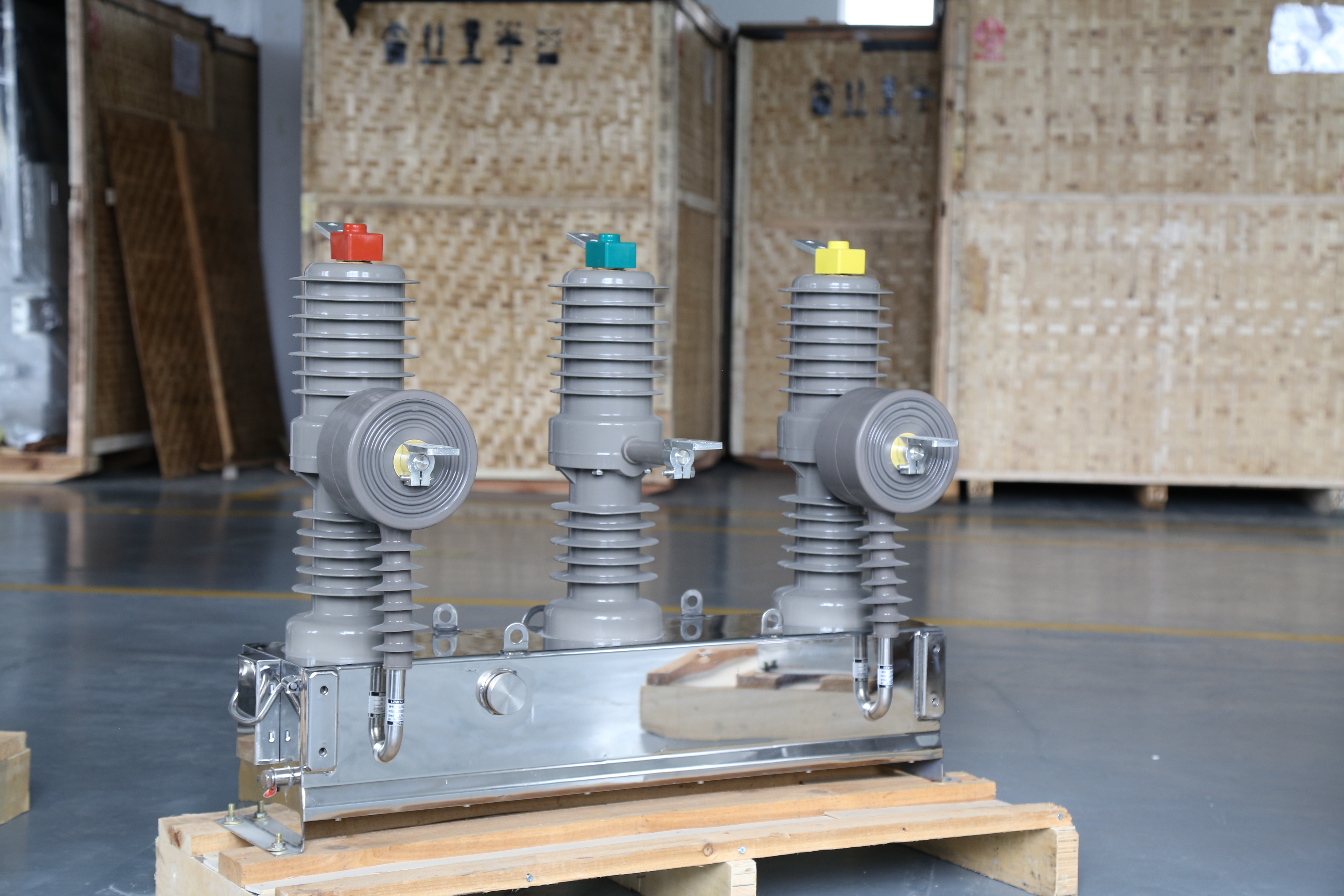
Xavfsizlikni tushunish uchun avvalo asosiy tushunchalarni o'zlashtirish kerak: yerlangan qo'zg'atgich — bu ayniqsa elektr zanjirini yoki biror jihozni yer bilan ulash uchun mo'ljallangan mexanik qurilma. Avtomatik uzgartirgichdan farqli o'laroq, u normal yuk tokini o'tkazmaydi — balki texnik xizmat ko'rsatish davomida avariya sodir bo'lganda qisqa vaqt ichida avariya tokini xavfsiz o'tkazish uchun mo'ljallangan. Qanday ishlaydi? Siz asosiy izolyatorni ochib, yerlangan qo'zg'atgichni yopganda, tizimning quvvatli qismlari to'g'ridan-to'g'ri yer tarmog'iga ulanadi. Bu harakat ikkita muhim maqsadga xizmat qiladi. Birinchidan, kabel yoki chulg'amda qolgan statik yoki induktiv energiya chiqariladi va kutilmagan elektr tokidan zararlanish xavfi yo'q qilinadi. Ikkinchidan, avariya tok uchun past qarshilikli yo'l ta'minlanadi. Agar tizimning boshqa qismi tasodifiy ravishda chiziqni quvvatlantirsa, yerlangan qo'zg'atgich shu tokni to'g'ridan-to'g'ri yerga yo'naltiradi va himoya relelari ishga tushib, sohani darhol uzib qo'yadi. Bizning yerlangan qo'zg'atgichimiz minimal kontakt qarshiligi uchun mo'ljallangan bo'lib, bu himoya yo'li sizga eng kerakli paytda doim ishonchli bo'lishini ta'minlaydi.
Ekspert fikri: Nima uchun mexanik qulflanish majburiydir
Oxirgi vaqtlarda men sanoat qo'llanmasi "Qulflash/Belgilashning eng yaxshi amaliyotlari" muallifi va katta elektr xavfsizlik maslahatchisi Sarah Chen bilan panelda ishtirok etdim. U menga quyidagi fikrni qoldirdi: "Dunyodagi eng yaxshi yerlangan qo'zg'atgich ham, agar inson xato qilsa, befoyda bo'ladi." Shu sababli biz har bir yerlangan qo'zg'atgichimizga xavfsizlikka kafolat beruvchi mexanik bloklovchi tizimni o'rnatdik. Bizning dizaynimiz asosiy izolyator to'liq ochilgunga qadar yerlangan qo'zg'atgichni yopishni qat'iy taqiqlaydi va yerlangan qo'zg'atgich faollashganda izolyatorni ochiq holatda qulflaydi. Bu IEC 60947-3 xalqaro standartiga mos keladi — bu past kuchlanishli elektr uskunalari uchun xalqaro standart bo'lib, inson xatosini oldini olish uchun shunday bloklovchi tizimlarni talab qiladi. Sarah aytganidek: "Bloklovchi tizimlar 'bo'lmasligi kerak' ni 'mumkin emas' ga aylantiradi", va bizning mijozlarimiz buni tasdiqlaydi. So'nggi vaqtlarda bizning foydalanuvchi mijozlarimiz orasida o'tkazilgan so'rovda, 98% mijoz yerlangan qo'zg'atgichimizning eng qadriyatlisi xavfsizlik xususiyati sifatida bloklovchi tizimni baholadi, chunki u muhim xavfsizlik protokollaridan inson omilini butunlay olib tashlaydi.
Dizayn afzalliklari: Eng qattiq sanoat muhitlari uchun moʻljallangan
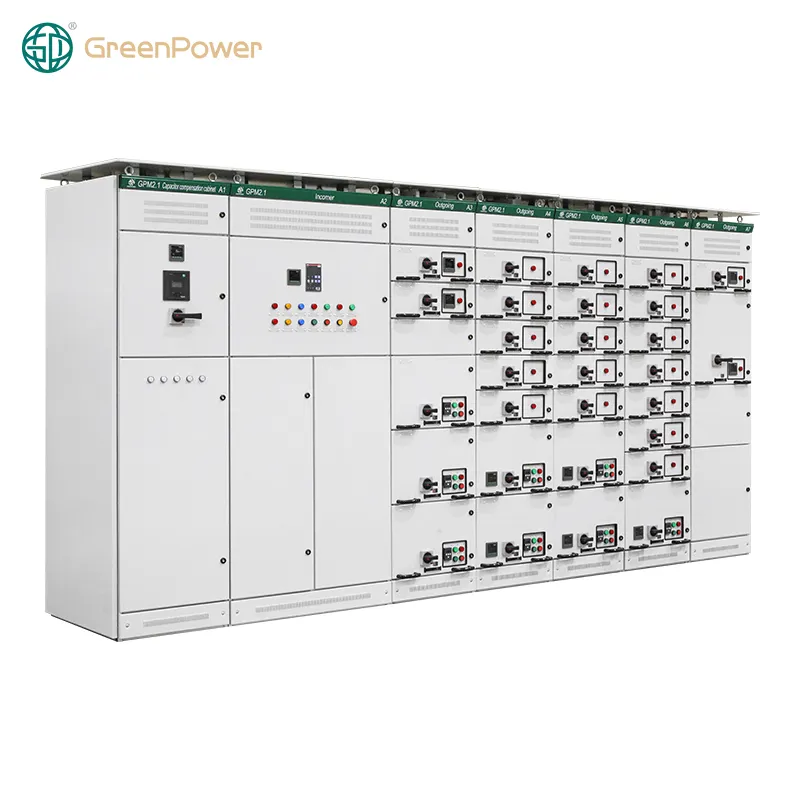
Elektr tizimlari tozalangan laboratoriyalarda emas— ular changli zavodlarda, nam transformatorlar pastdonasida va korroziv kimyoviy zavodlarda joylashgan. Shu sababli ham bizning yerlangan qo‘shqichimiz har qanday sharoitda ajoyib ishlash uchun mo‘ljallangan. Bizning yerlangan qo‘shqichimizning g‘ildirak qismi uchun yuqori sifatli, korroziyaga chidamli po‘latdan, kontaktlari uchun esa kumush bilan plitalangan misdan foydalanamiz; bu yerlangan qo‘shqichning qarshiligi past bo‘lishini va qattiq atmosferada ham uzoq muddatli xizmat qilishini ta'minlaydi. KYN28 kabinetlari kabi ichki o‘rnatiladigan elektr jihozlari uchun bizning kompakt yerlangan qo‘shqichimiz standart kesimlarga mos keladi va ergonomik boshqaruv tutqichiga ega bo‘lib, aniq seziladigan taktil (sezgi) aks ettirish beradi— siz qo‘shqich yopilgani haqida uning qulflanishini sezib va eshitib tushunasiz. Tashqi ishlatish uchun bizning yerlangan qo‘shqichimiz suv va changdan himoya qiluvchi IP65 darajali qopqoqqa ega. Shuningdek, biz qo‘lda boshqariladigan hamda motorli, prujinali versiyalarni ham taklif etamiz; motorli yerlangan qo‘shqich qo‘lga tekkazilmaydigan joylarga yoki masofadan boshqariladigan pastdonalarga ajoyib mos keladi va operatorlarga xavfsiz masofadan yerlanish yo‘lini ulash imkonini beradi. Har bir yerlangan qo‘shqich noto‘g‘ri ishlash sharoitida termik va mexanik kuchlanishlarga chidashini ta'minlash uchun qisqa vaqtlik tok sinovlaridan o‘tkaziladi; bu sizga tinchlik va ishonch beradi.
Himoya dan ortiq: Bizning Yerlangich Tugunining yashirin qiymati
Xavfsizlik asosiy maqsad bo'lsa-da, bizning yerlangich tugmachamiz elektr tizimingizga aniq operatsion qiymat qo'shadi. Birinchidan, u texnik xizmat ko'rsatishni soddalashtiradi. Aniq vizual ko'rsatkich va ijobiy mexanik qulfdan foydalanib, sizning jamoangiz tizimning sekundlar ichida yerlanganligini tekshirib, xavfsizlik tekshiruvlariga ketadigan va ta'mirlash ishlarini tezlashtirishga xizmat qiladigan vaqtini qisqartiradi. Ikkinchidan, u sizning jihozlaringizni himoya qiladi. Nazorat ostidagi yerlangan yo'l taqdim etish orqali bizning yerlangich tugmachamiz transformatorlar, kondensatorlar yoki nozik boshqaruv uskunalari kabi jihozlarga ta'mirlash paytida kuchlanish zudliklaridan zarar yetkazishni oldini oladi. Uchinchidan, u qonuniy talablarga mos kelishni ta'minlaydi. Dunyo bo'ylab tartibga soluvchi organlar o'zlarining me'yoriy hujjatlari bilan elektr tarmog'ini ishlatib turib ta'mirlashda yerlangich tugmachani talab qiladi va bizning mahsulotlarimiz IEC va GB kabi barcha asosiy standartlarga mos keladi yoki ularni ortiqcha bajarradi. So'nggi vaqtlarda tiklanadigan energiya sohasida faoliyat yurituvchi bir mijoz bizga shunday dedi: «Sizning yerlangich tugmachangizdan foydalanish faqatgina bizning ob'ektimizni xavfsizroq qilgan emas, balki xavfsizlik auditlarimizni ham osonlashtirgan».
Sizning tanlovingiz — bu faqat xavfsizlik qurilmasini sotib olish emas, balki butun elektr tizimingizni samaraliroq, ishonchliroq va qonuniy talablarga mosroq qiladigan mahsulotga investitsiya qilishdir.

 Issiq yangiliklar