The Turning Point: From Chaos to Control in a Chemical Plant
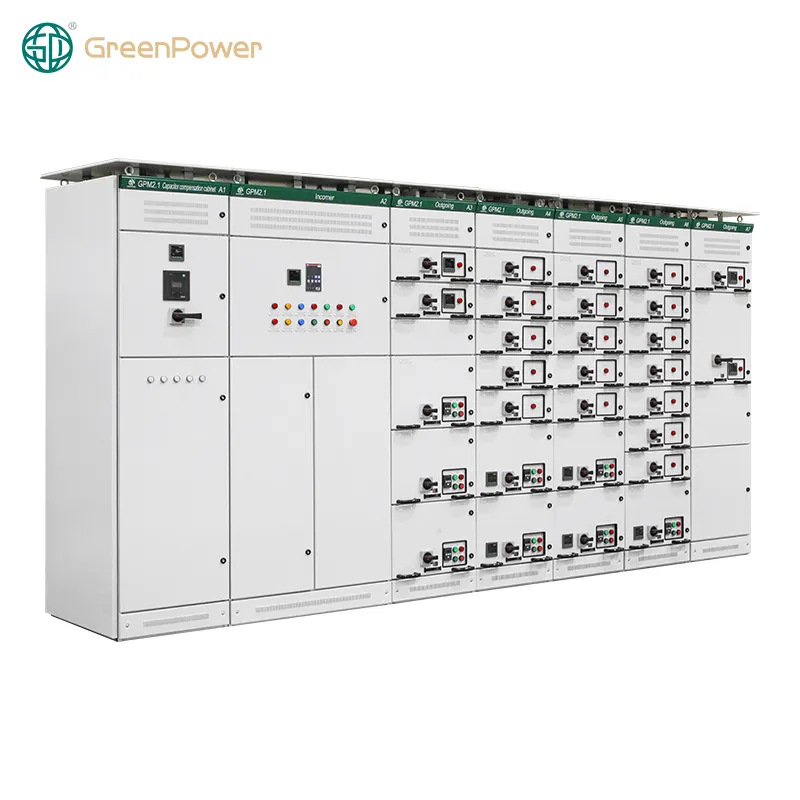
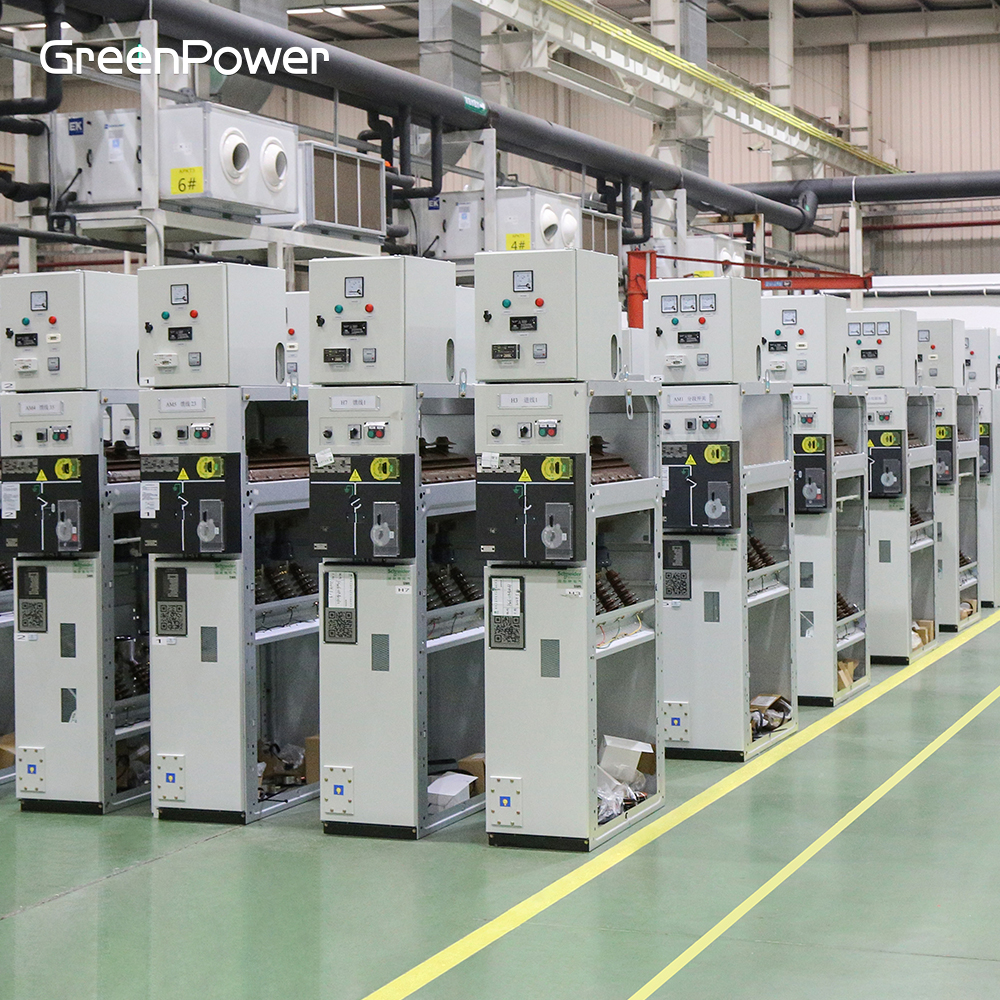
Last year, I led a retrofit project at a mid-sized chemical plant that was losing thousands weekly to unplanned downtime. Their old setup relied on standalone motor starters bolted to walls across the facility, so when a motor tripped at 2 a.m., technicians had to physically check every unit to find the issue. We proposed installing a motor control center to centralize their operations, and the results were immediate. The plant’s maintenance supervisor told me, “We used to spend half a shift hunting for problems; now we pinpoint them before the line even slows down.” The motor control center’s compact footprint fit right into their existing electrical room, and the pre-wired drawer units cut our on-site installation time by nearly a third. What surprised them most was how easily it integrated with their existing automation stack—no major rewiring, no system overhauls. That project taught me that a motor control center isn’t just a piece of electrical gear; it’s the command center that turns disjointed machinery into a cohesive industrial automation system.
Design Excellence: Safety and Flexibility in Every Panel
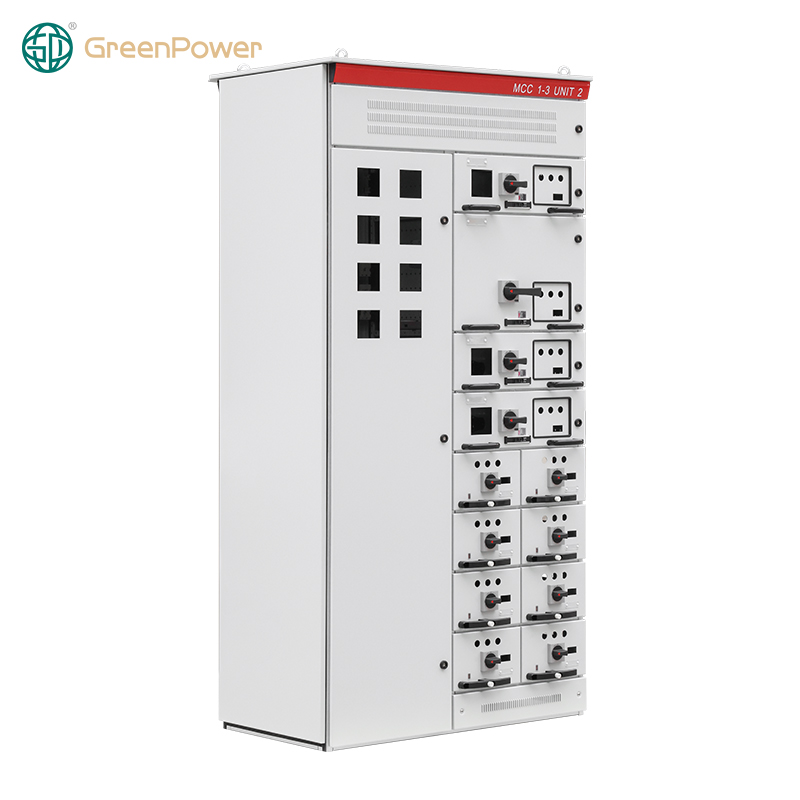
When you’re building an industrial automation system, the motor control center has to work as hard as your production line—and that starts with intentional design. Our motor control center is engineered with four separate physical zones, which keeps the high-current bus bars isolated from control wiring and cable pathways. This separation isn’t just a design choice; it’s a safety imperative that minimizes the risk of arc flash and electrical faults spreading. The drawer-style units are the real game-changer, though. They lock into five distinct positions, so technicians can test a motor, isolate it for maintenance, or fully remove it without ever shutting down the entire motor control center or the rest of the production line. We size our motor control center to handle the full spectrum of industrial needs, supporting everything from 0.55kW conveyors up to 320kW compressors, all while adhering to IEC 60439-1 standards. This flexibility means whether you’re automating a small packaging line or a sprawling manufacturing plant, the motor control center becomes the adaptable backbone of your system.
Smart Monitoring: Predicting Failures Before They Happen
Downtime is the single biggest cost in industrial automation, and the modern motor control center is built to eliminate it before it starts. Jane Cooper, a certified automation professional with 20 years in the field, recently told an industry panel, “The motor control center of today is a data hub, not just a switch hub.” We’ve built that philosophy into our product. Our motor control center comes equipped with high-precision sensors that track voltage, current, and temperature in real time. If a motor starts drawing too much current or a connection begins to overheat, the motor control center sends an alert to the on-site HMI and off-site mobile devices instantly. It uses open protocols like Modbus RTU, so it talks seamlessly to your SCADA system or cloud-based monitoring platform. One of our automotive clients used this feature to catch a failing bearing in a paint line motor early; fixing it during a scheduled break saved them an estimated $40,000 in unscheduled downtime. That’s the power of a smart motor control center in industrial automation—it turns reactive repairs into proactive maintenance.
Cost Efficiency: More Output, Lower Overhead
Let’s get practical—every investment in industrial automation needs to justify itself, and a motor control center delivers returns on day one. First, energy savings: our motor control center can be fitted with variable frequency drives and soft starters that match motor speed to load, cutting energy use by up to 20% for high-demand equipment. Second, maintenance savings: the hot-swappable drawers in the motor control center mean a faulty component can be replaced in minutes, not hours, so your line gets back up faster and you pay less in overtime labor. Third, scalability: when you expand your production line, you don’t need to build a whole new electrical room—just add a new drawer to the motor control center. A regional food and beverage distributor did exactly that last quarter, adding three new packaging machines by simply upgrading their existing motor control center. They avoided the cost of new wiring and construction, and the entire upgrade was completed in a single weekend. Choosing a motor control center isn’t just about buying equipment; it’s about building a cost-effective, future-ready industrial automation system.
Why Our MCC Stands Out in Industrial Automation
With so many options on the market, what makes our motor control center the right choice for your industrial automation project? It boils down to reliability and partnership. We build our motor control center with heavy-gauge steel and IP65-rated enclosures, so it holds up in the dustiest factories, the wettest processing plants, and the hottest refineries. We add redundant power supplies and mechanical interlocks to every motor control center, so there’s no single point of failure that can take down your whole operation. But what our clients rave about most is the ease of use. The touchscreen interface on our motor control center is intuitive—we designed it with plant floor technicians in mind, not just engineers. You don’t need a computer science degree to monitor performance or adjust settings. When you choose our motor control center, you’re not just getting a product that meets every industrial automation standard; you’re getting a team that works with you to design a solution that fits your exact workflow. For us, the motor control center is more than a product—it’s how we help your business keep running, keep growing, and stay ahead.

 Hot News