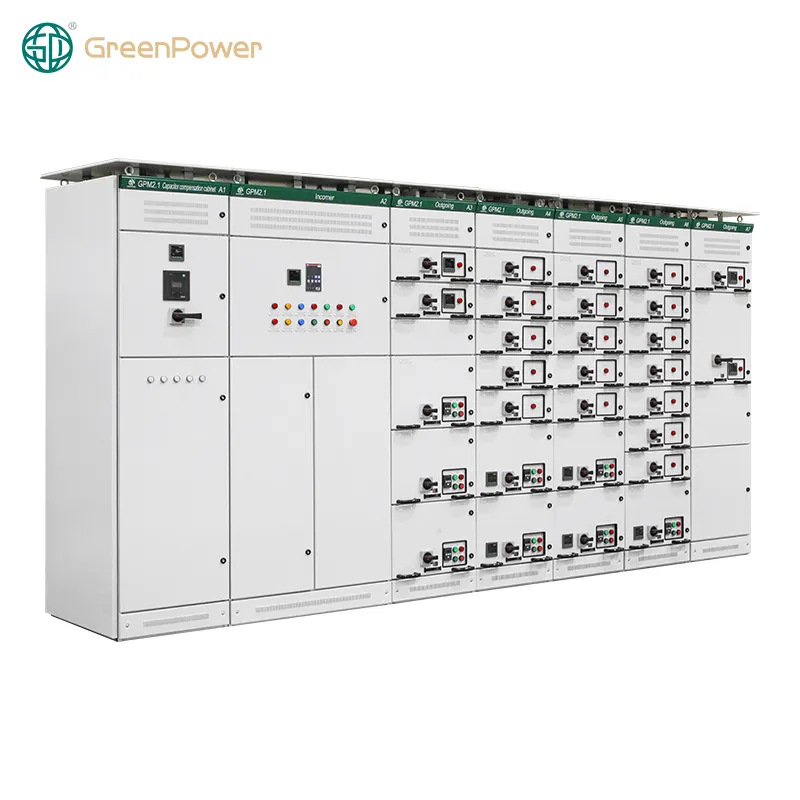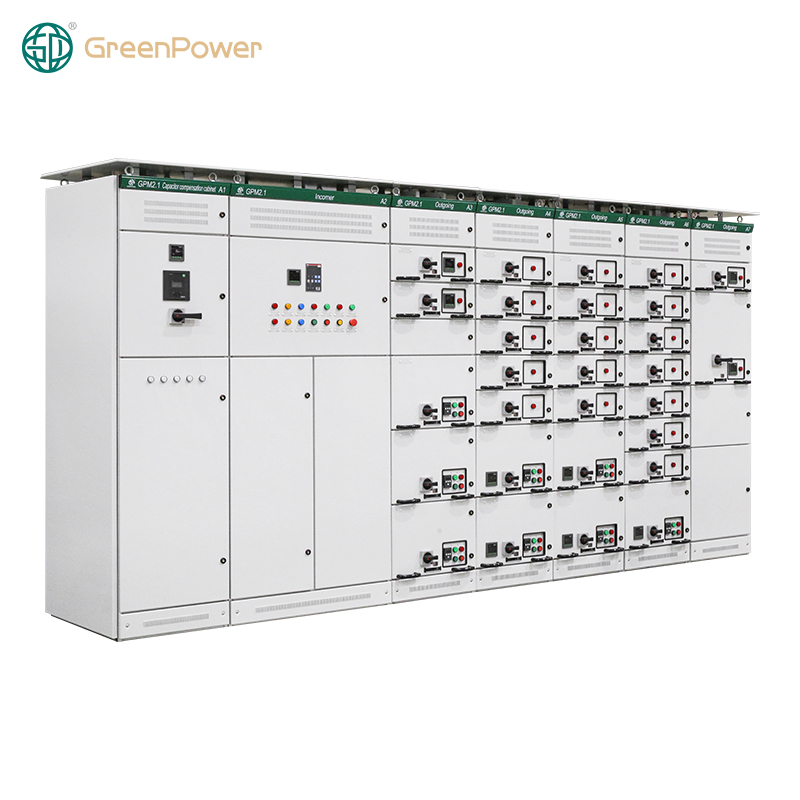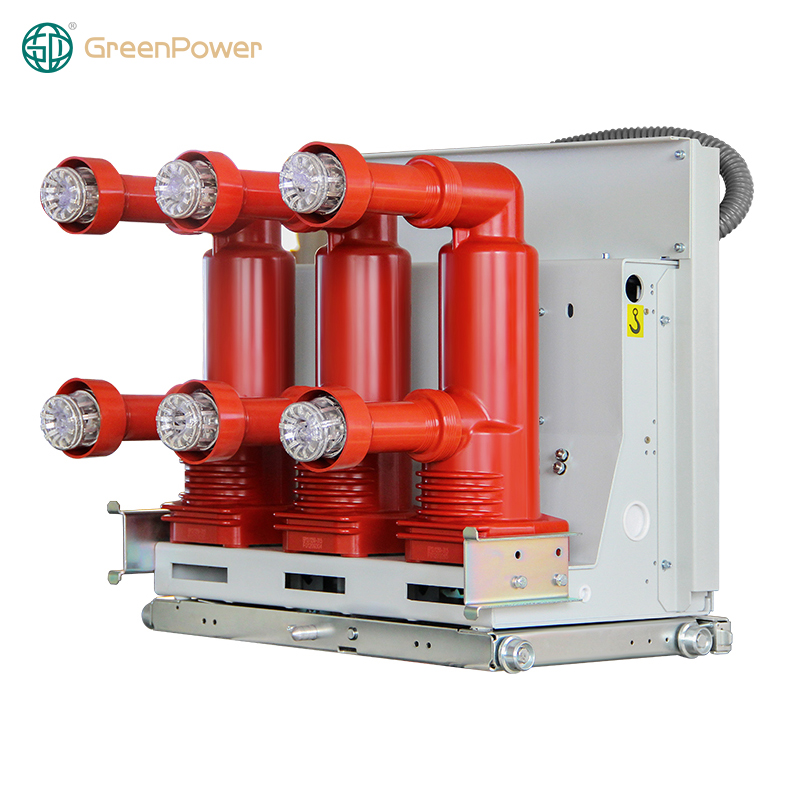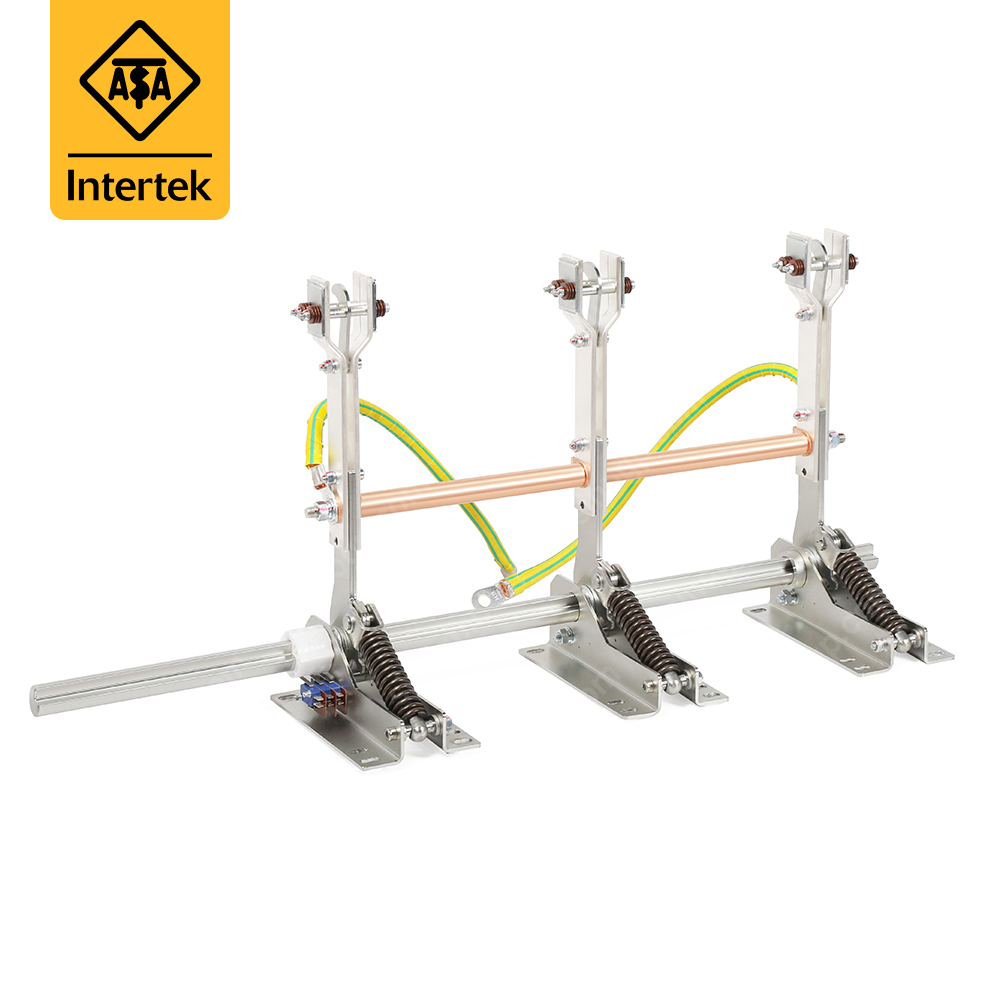
Modern switchgear setups rely on circuit breakers working hand in hand with protective relays to catch electrical issues as they happen. The system keeps an eye on how much electricity is flowing through the lines, then within just a few milliseconds analyzes what kind of problem it might be facing. Is it just a temporary spike or something more serious like an overload or short circuit? Once the system confirms there's a real issue, the relays kick in and trip only the specific breaker connected to the faulty circuit. This approach stops problems from spreading throughout the entire system while keeping power running smoothly in unaffected areas. It also helps reduce heat buildup that can damage wires and transformers over time. When these systems are set up correctly according to established standards like those from IEEE and IEC, they respond at just the right speed to protect equipment without interrupting normal operations for too long.
Switchgear today comes packed with several different ways to tackle arc flash hazards. Take those ultra fast breakers for instance they can clear electrical faults in just under 5 milliseconds, which is less than a quarter of a power cycle. This quick response cuts down on incident energy by around 70%. Then there are current limiting fuses and reactors that actually work to reduce the maximum fault current before things get too intense. Optical sensors play their part too, spotting the beginning signs of an arc within a single millisecond and triggering immediate system shutdown long before pressure builds up or plasma forms into something dangerous. Some models even include special maintenance switches designed specifically to cut down risks when workers need to service equipment. All these features meet the requirements set out in IEEE C37.20.7 standards for arc resistant gear. The equipment also has strengthened casings with cleverly designed pressure relief paths that send explosive force upwards rather than toward people nearby. Because of all this protection, the area where workers must maintain certain safe distances shrinks quite a bit, meaning less protective clothing is needed overall and safety improves across the board.
Modern microprocessor relays paired with internet connected sensors offer constant monitoring for things like voltage levels, current flow, harmonic distortions, and temperature changes across electrical systems. These smart protection systems can actually change their settings on the fly depending on what's happening with loads and surrounding conditions at any given moment. They help avoid those annoying false trips when there's just a minor fluctuation, but still react quickly when something serious happens. There's also this optical tech for detecting arcs that has been tested out in various industrial settings for preventing dangerous flashes. The system cuts off power before it gets bad enough to cause harm. All this smart stuff means less wear and tear on equipment, fewer shutdowns, and according to some tests, around three quarters less damage from faults than older systems with fixed settings. Plus, workers stay safe throughout all this.
Zone selective interlocking, or ZSI for short, works by creating a sort of hierarchy when dealing with faults throughout different parts of the electrical system. If there's a problem somewhere downstream, the breakers further upstream will actually hold off on tripping for a moment. This gives those local devices first chance at fixing whatever issue exists right where it happened. The result? More than 93 percent of all these problems get contained within just one circuit instead of causing total power failures across entire buildings. For places where continuous operation matters most, think hospitals needing their life support systems running nonstop or data centers keeping servers online, this kind of setup makes all the difference. It keeps critical operations going strong even during maintenance work that needs to happen safely without shutting everything down completely. A recent report from the Ponemon Institute looked into how reliable our electrical systems really are today. Their findings showed facilities implementing this approach saved around seven hundred forty thousand dollars each year simply because they experienced fewer outages and related costs.
Arc resistant switchgear isn't simply an enclosure with extra features bolted on—it's designed as a complete safety solution from the ground up. Built to meet IEEE C37.20.7 standards, these units incorporate reinforced steel walls, special hinges that resist blasts, and sealed joints capable of handling internal electrical arcs well beyond 35 kiloamperes. When something goes wrong, pressure relief vents kick in within around 8 milliseconds after detecting a fault, directing dangerous energy upwards through specific channels away from workers standing nearby. Independent tests show this setup cuts down on the amount of energy people are exposed to by over 40 percent compared to regular switchgear, all while keeping the equipment intact even when temperatures spike past 35 thousand degrees Fahrenheit. Features like touch safe connections, systems that automatically cut power when needed, and door locks that prevent access unless everything is properly shut down help eliminate many of the mistakes operators might otherwise make. All these built in protections work hand in hand with NFPA 70E guidelines and mean technicians don't have to rely so heavily on those cumbersome Category 4 protective gear items for everyday maintenance tasks.
Switchgear helps ensure proper Lockout/Tagout (LOTO) compliance because it includes specific physical isolation points like withdrawable circuit breakers, visible blade disconnect switches, and mechanical shunt trip interfaces that actually let workers know when equipment is safely powered down. These built-in features give maintenance personnel confidence they can establish and check for zero energy conditions in their work area before starting any service work. This prevents accidental power restoration which remains the number one reason for electrical injuries while working on equipment. The safety locks and tags attach right to these isolation points so everyone on site gets clear visual confirmation about the equipment status. Combine these hardware features with written procedures and training programs that follow both OSHA 1910.147 and NFPA 70E guidelines, and companies see a dramatic drop in maintenance accidents. Independent safety reviews have shown incident rates fall by around 70% when these systems are properly implemented.
 Hot News
2026-04-25
2026-04-23
2026-04-22
2026-04-21
2026-04-16
2026-04-15

Zhejiang Greenpower Electric Co., Ltd provides high-end green intelligent switchgears for mid-to-high voltage applications. Our R&D expertise and one-stop procurement deliver safe, efficient, energy-saving solutions trusted by global clients. Request a quote today.