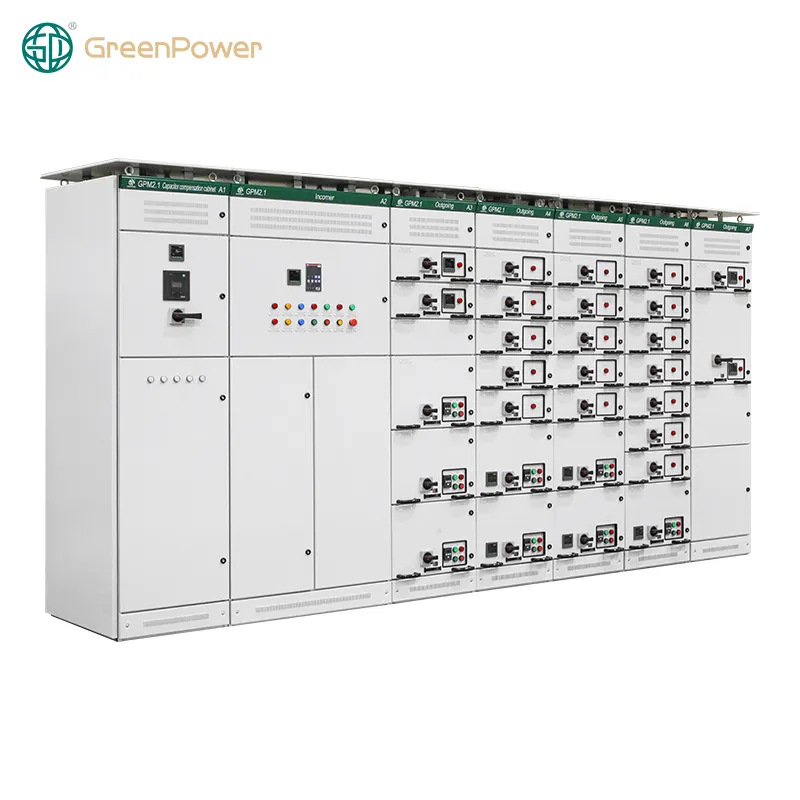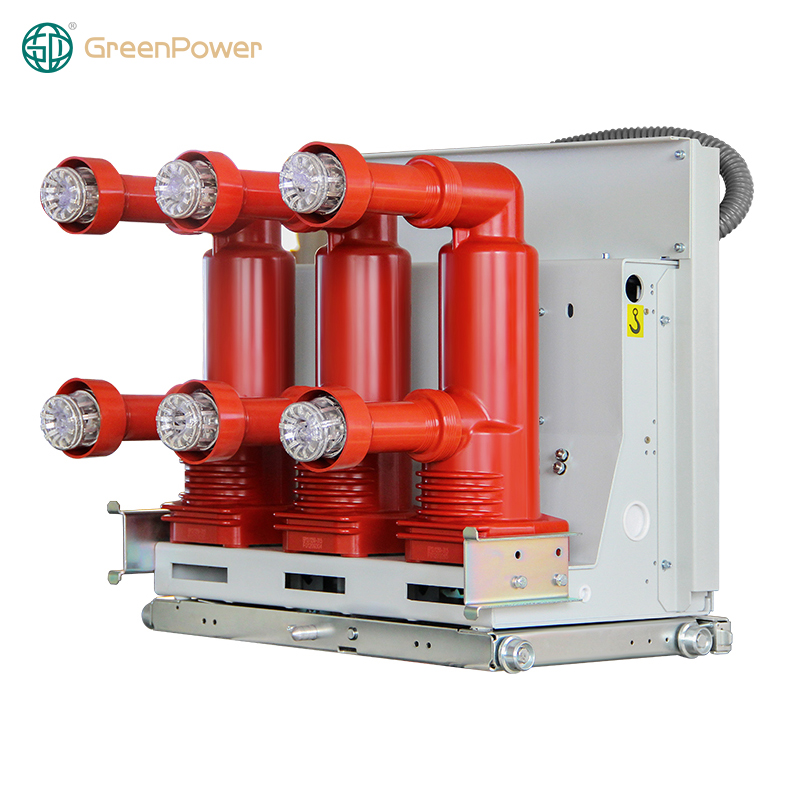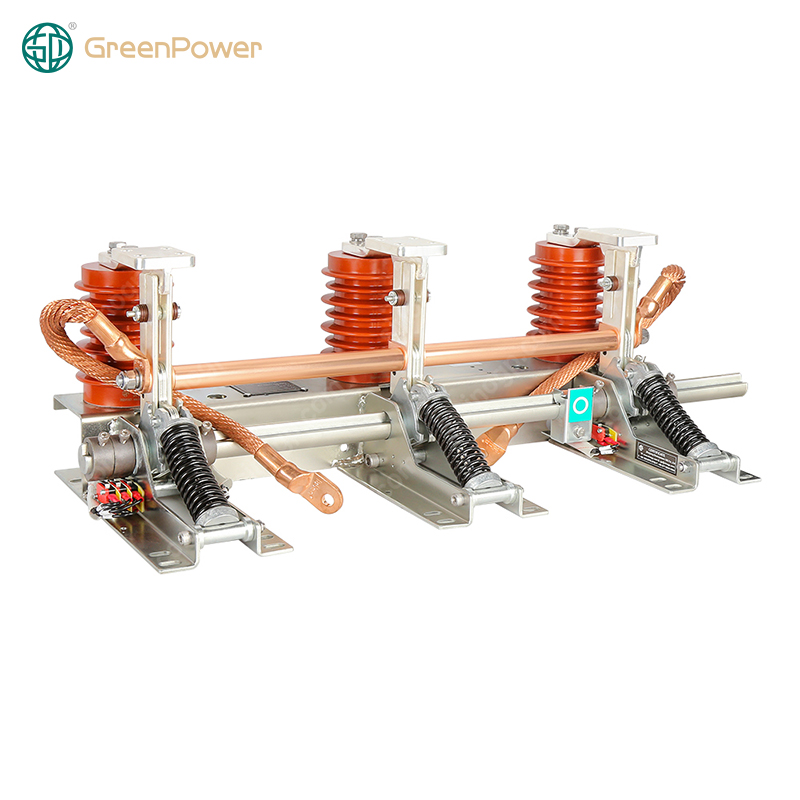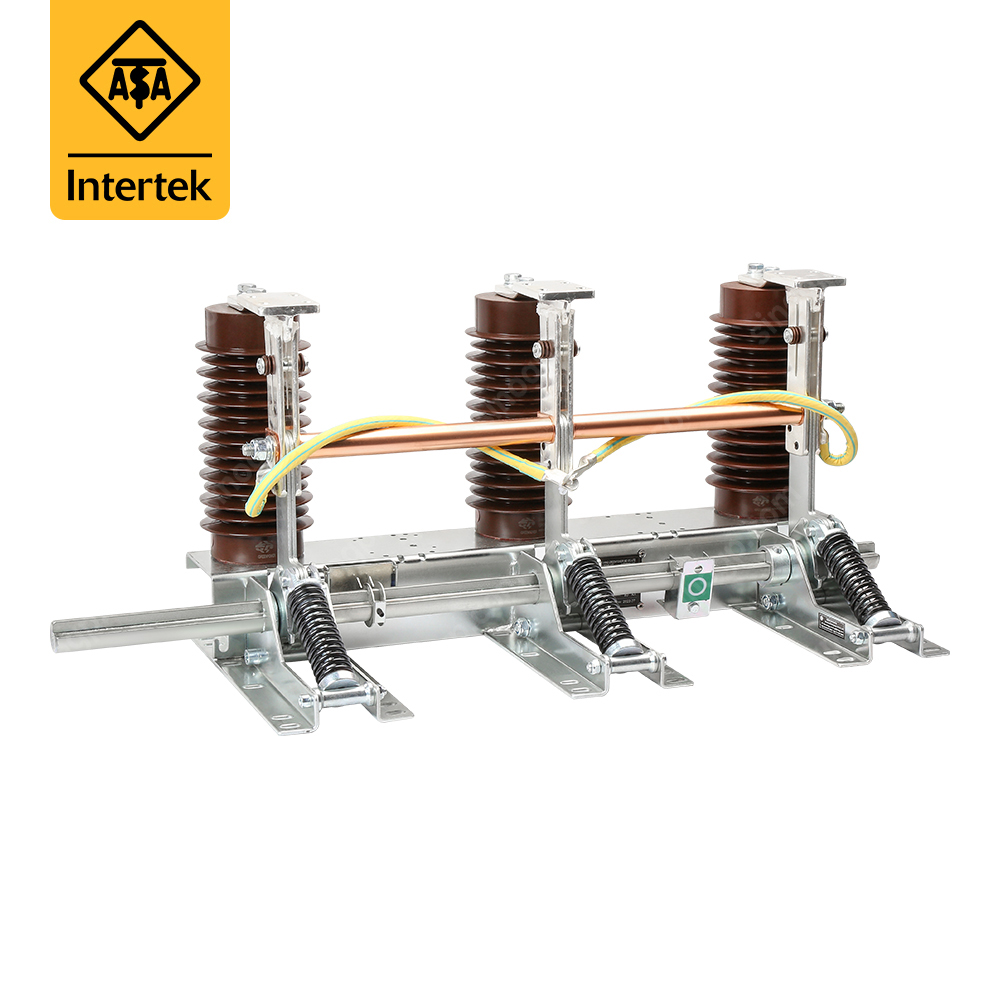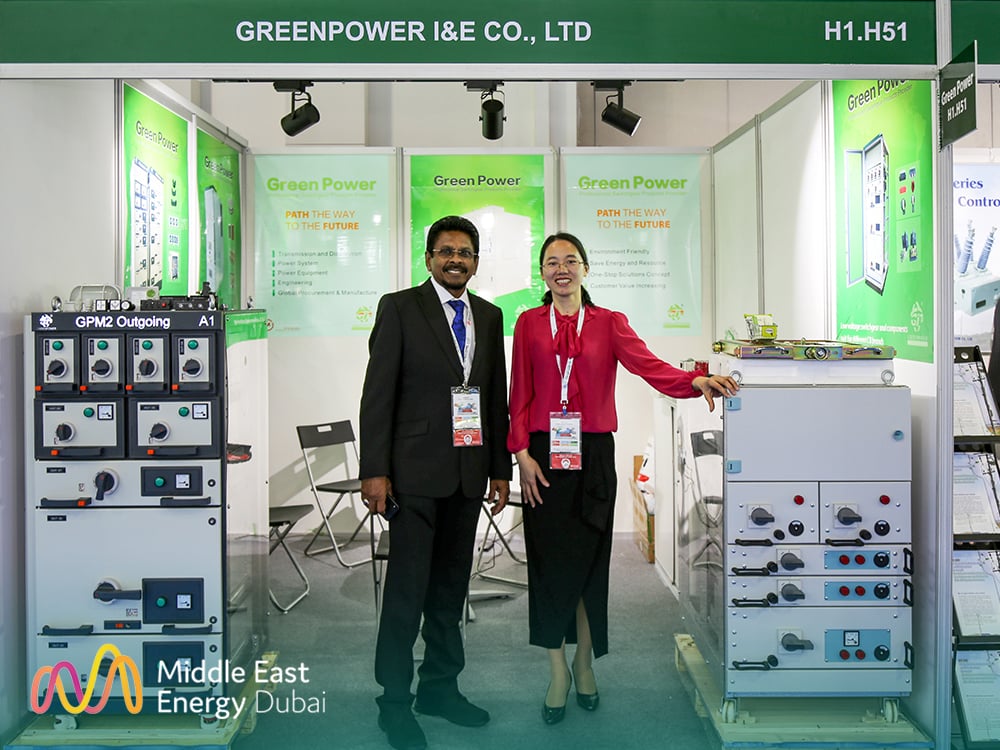
Let's face it, most of us only think about our electrical panel when a circuit trips. It's that unassuming metal box in the utility room or basement that we take for granted. But what if I told you that this humble panel is the single most important point of control for managing your energy consumption, costs, and safety? In today's world, where efficiency is king, a modern, well-designed electrical panel is no longer just a safety device—it's the brains of your entire building's energy operations. Upgrading from a basic panel to a smart energy management hub can transform how you interact with power, giving you unprecedented control and insight.
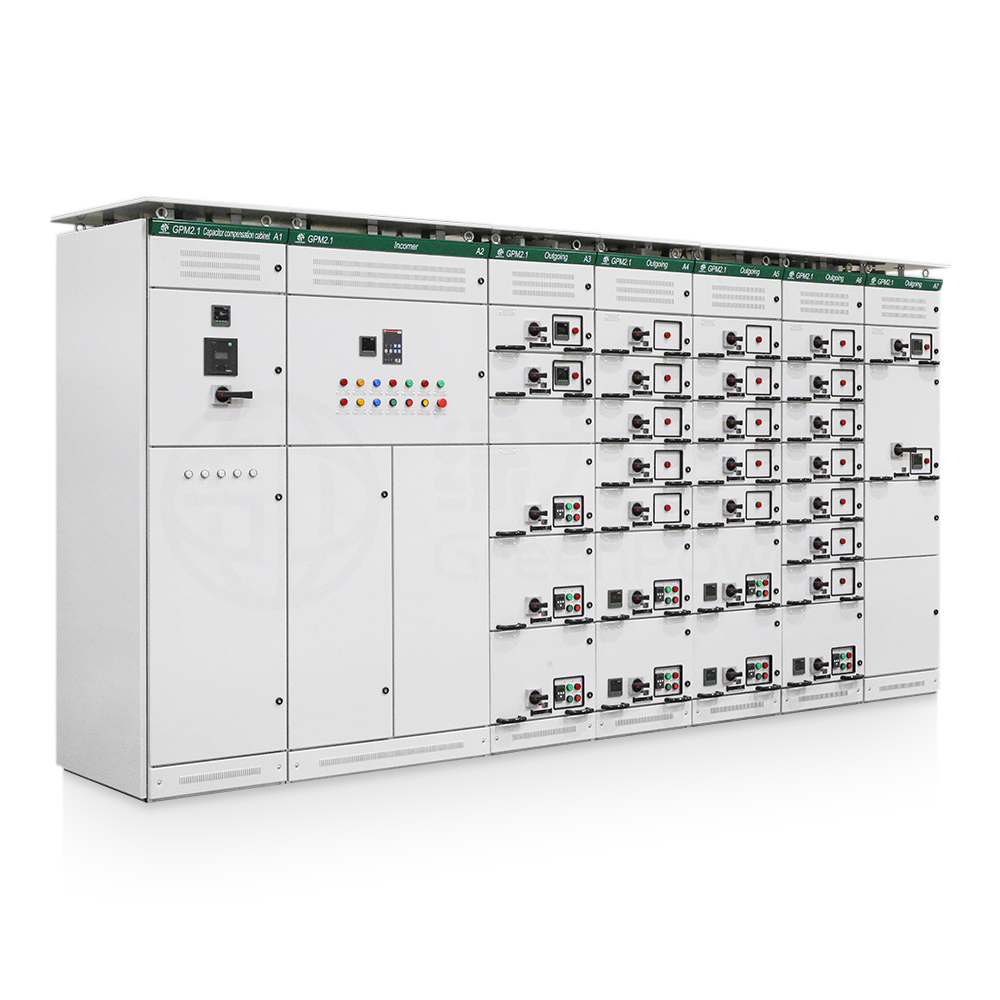
I saw this firsthand at a small manufacturing facility I consulted for a few years back. Their monthly energy bills were erratic and high, and they couldn't pinpoint why. They had old, basic electrical panels that just distributed power with no intelligence. We worked with a specialist to replace them with modern panels equipped with integrated smart metering and branch circuit monitoring. The data was eye-opening. It revealed that a set of aging compressors was drawing massive "phantom" loads even during idle periods. Furthermore, a significant portion of their energy use was occurring during peak tariff hours. By identifying and addressing these issues through the panel's data, they reduced their energy bill by over 20% in the first year. The electrical panel paid for itself in under 18 months.
So, how does a panel achieve this? The expertise lies in its evolution from a passive distributor to an active manager. A modern energy-optimizing electrical panel incorporates several key technologies. First, at its core, are high-quality, precision components like molded case circuit breakers (MCCBs) and miniature circuit breakers (MCBs) from reputable manufacturers. These ensure safe, reliable operation and protect sensitive downstream equipment. The real magic, however, comes from add-on modules: smart meters that track total consumption in real-time, and—more powerfully—individual circuit monitors. These monitors can track the energy draw of specific zones, like lighting, HVAC, or heavy machinery. This granular data, often accessible via a user-friendly dashboard, is what turns guesswork into actionable strategy.
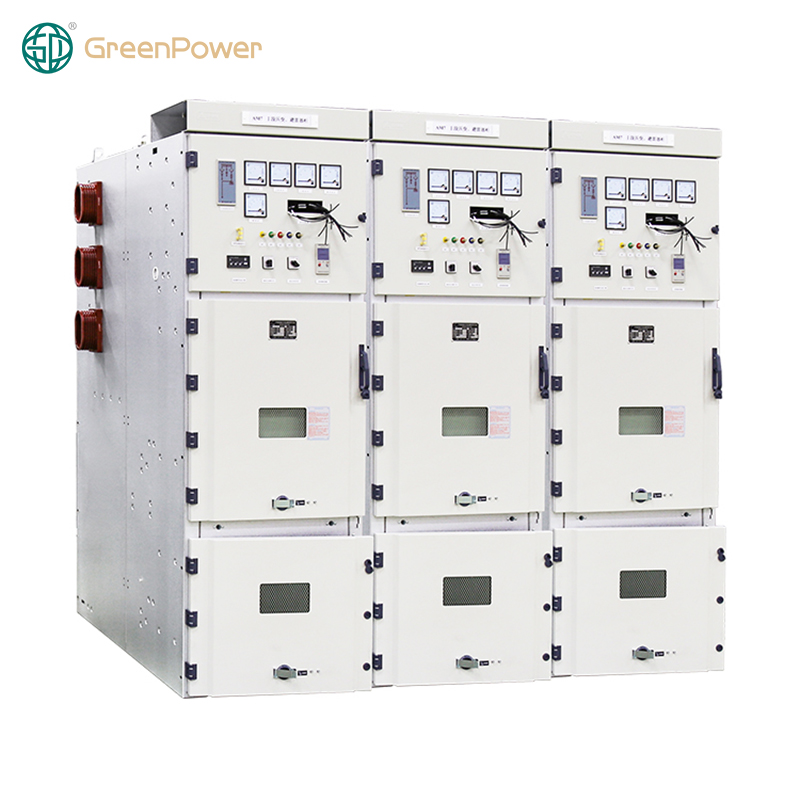
This capability is backed by a growing industry focus on intelligent power distribution. Organizations like the National Electrical Manufacturers Association (NEMA) emphasize the role of advanced protection and control devices in creating resilient and efficient electrical systems. An optimized electrical panel allows you to implement strategies like load shedding, where non-essential circuits can be automatically powered down during peak demand to avoid costly utility surcharges. It also enables detailed power quality monitoring, helping to identify harmonics or voltage sags that waste energy and damage equipment. In essence, a smart panel provides the authoritative data you need to make informed decisions, aligning with best practices for sustainable facility management.
Ultimately, investing in an advanced electrical panel is an investment in transparency, control, and trust. You gain a trustworthy, transparent window into exactly where your energy dollars are going, down to the individual circuit. For a business, this means accurate cost allocation, predictive maintenance alerts, and enhanced operational uptime. For a homeowner, it can mean identifying energy-hogging appliances and optimizing solar power usage. When you choose a panel from a professional provider known for robust engineering and reliable components, you're not just buying a safety device. You are installing the foundational technology for a smarter, more efficient, and more cost-effective building. It empowers you to take command of your energy future with confidence and clarity.
 Hot News
2026-04-25
2026-04-23
2026-04-22
2026-04-21
2026-04-16
2026-04-15

Zhejiang Greenpower Electric Co., Ltd provides high-end green intelligent switchgears for mid-to-high voltage applications. Our R&D expertise and one-stop procurement deliver safe, efficient, energy-saving solutions trusted by global clients. Request a quote today.