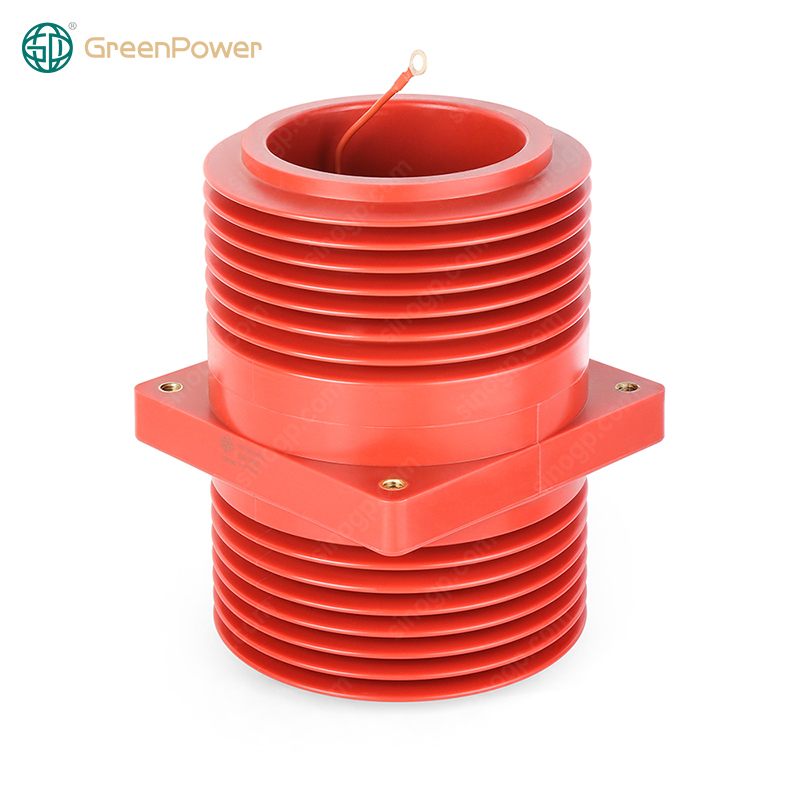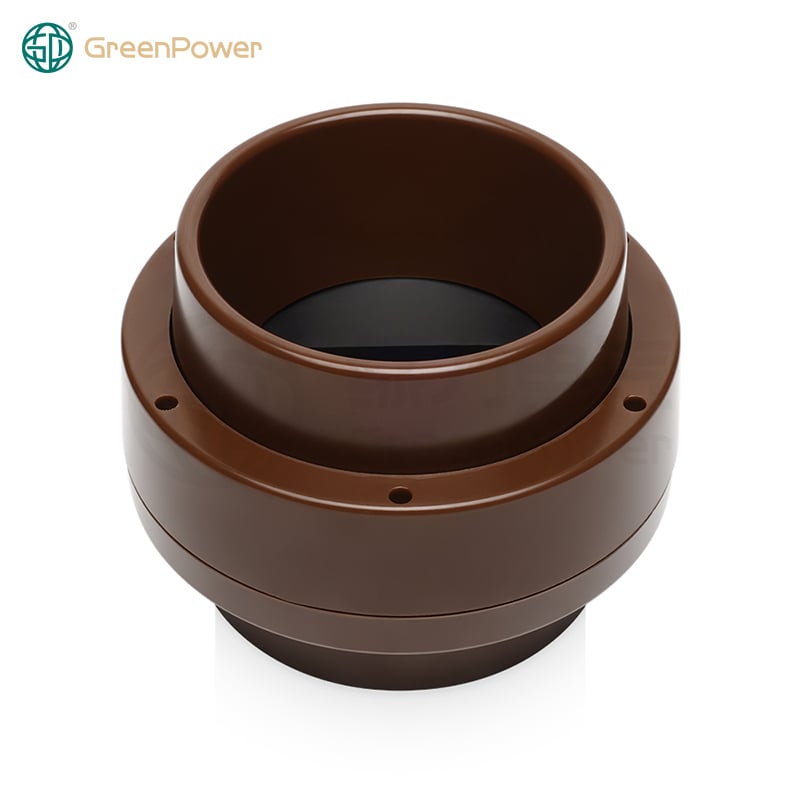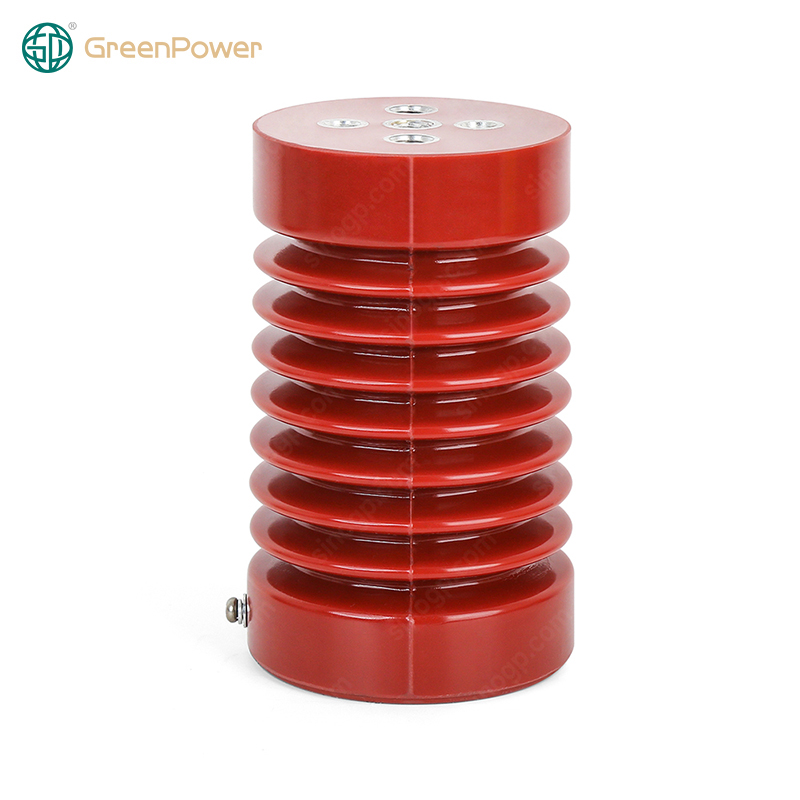
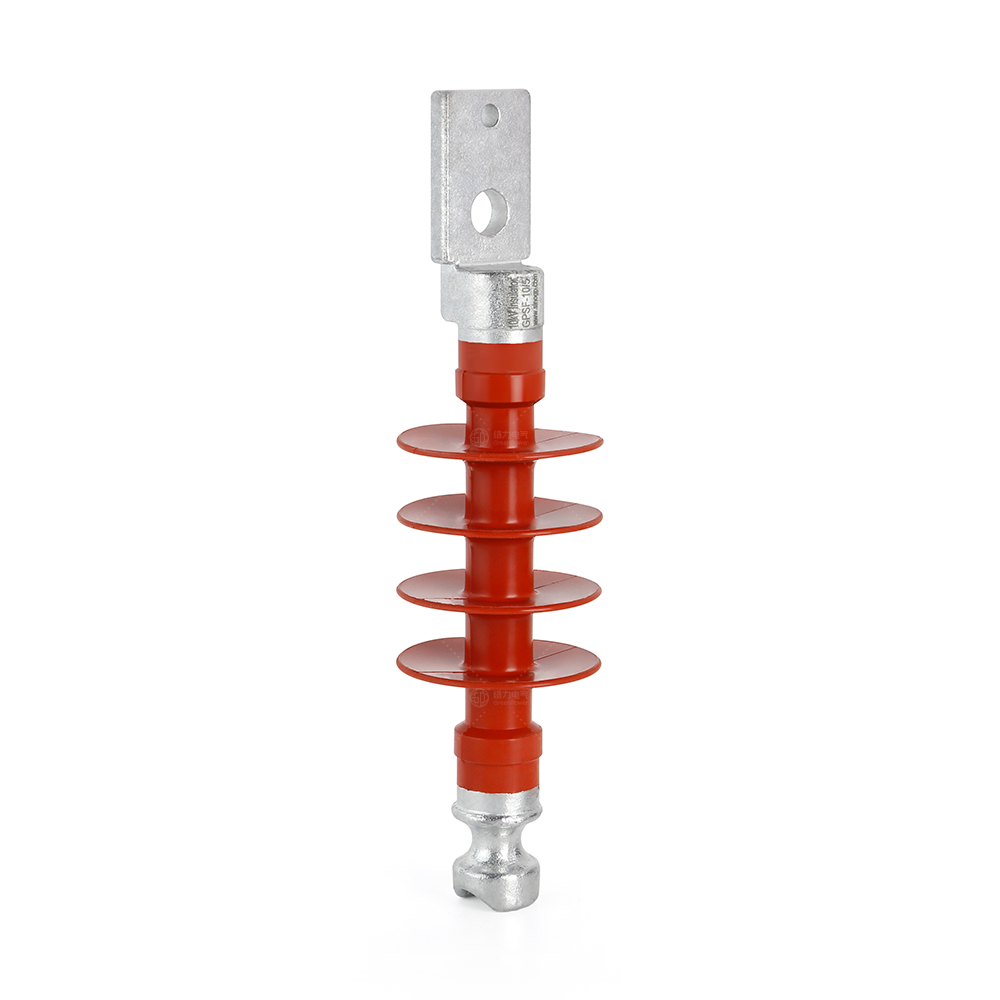
Insulators stop electrical failures because they block current flow using their natural material characteristics. These materials have really high electrical resistance, often above 10^10 ohm meters, which makes it very hard for electrons to move through them. This happens because of something called an electronic bandgap that's usually wider than 5 electron volts. When this gap exists, valence electrons just can't jump up to the conduction band during regular operation voltages, so charges basically get stuck and don't move around. Porcelain insulators with solid cores and various polymer types work based on exactly this principle, keeping leakage currents at bay even when exposed to long periods of voltage stress. To improve performance further, manufacturers create dense crystal structures in ceramic materials or use cross-linked polymers that limit where ions can travel. Just to put things into perspective, copper has a resistivity of about 10^-8 ohm meters. That means insulating materials are roughly 18 orders of magnitude better at stopping electricity flow naturally.
Good insulating materials handle sudden voltage spikes because they have what's called high dielectric strength. This basically means how much electric field pressure (measured in kilovolts per millimeter) the material can take before it fails completely. Most common materials like glass and silicone rubber usually handle between 10 to 40 kV/mm, which beats regular air that only manages about 3 kV/mm. When voltages stay below these limits, small electrical discharges might happen but generally don't cause problems. However, once those thresholds get exceeded, things go bad fast as ions start multiplying uncontrollably until the material breaks down for good. That's why engineers always build in extra protection when designing insulation systems, typically aiming to keep operation around half of what the material can actually handle. This gives room for unexpected events like lightning strikes or power grid fluctuations. And speaking of materials, their quality matters a lot too. Even tiny amounts of moisture, metal bits, or dirt on surfaces can cut dielectric strength by as much as two thirds, making the insulation age quicker and fail sooner than expected.
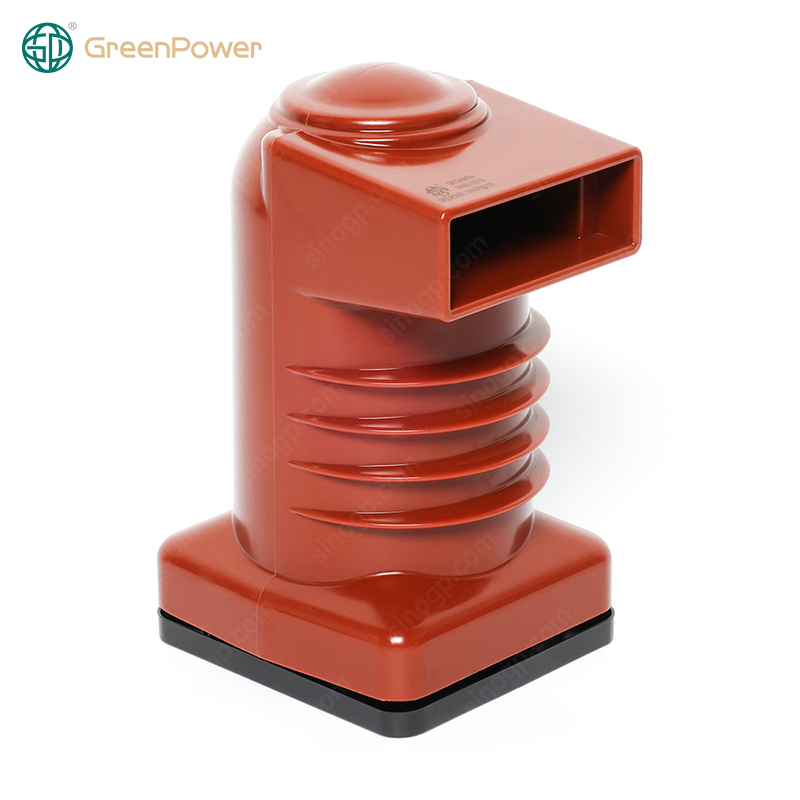
The term creepage distance refers basically to the shortest route across an insulator's surface connecting different energized components. When engineers design these paths, they're trying to stop unwanted leakage currents from forming. By making this path longer, we actually boost surface resistance and slow down potential flashovers since the electricity has to travel through more resistant pollution layers. Standards organizations such as IEC 60815 set out what counts as minimum acceptable distances depending on how polluted a particular location might be. Some special fog-shaped designs featuring deep ribs can stretch out the actual surface area by about 30 to maybe even 40 percent when compared against plain smooth surfaces. For those substations right next to oceans where salt gets everywhere, the required creepage specs often hit around 31 mm per kilovolt or higher. This helps maintain good performance levels while keeping equipment size manageable.
The property of being water repelling stops continuous conductive films from forming on insulator surfaces. Take silicone rubber for example it has those low energy methyl groups on its surface which create contact angles above 90 degrees. Because of this, water forms beads instead of spreading out across the material. When water doesn't spread, pollutants cant dissolve and move along electrolytic paths either. Instead, these contaminants stay as separate particles and don't connect between electrodes. Polymer insulators actually perform much better than traditional porcelain materials when dealing with moisture or pollution issues. Some super water repelling treatments maintain contact angles over 150 degrees. Field tests near coastlines showed these treatments cut down flashover risks caused by contamination by around two thirds. So hydrophobic properties work at a molecular level alongside physical design improvements to enhance insulation performance.
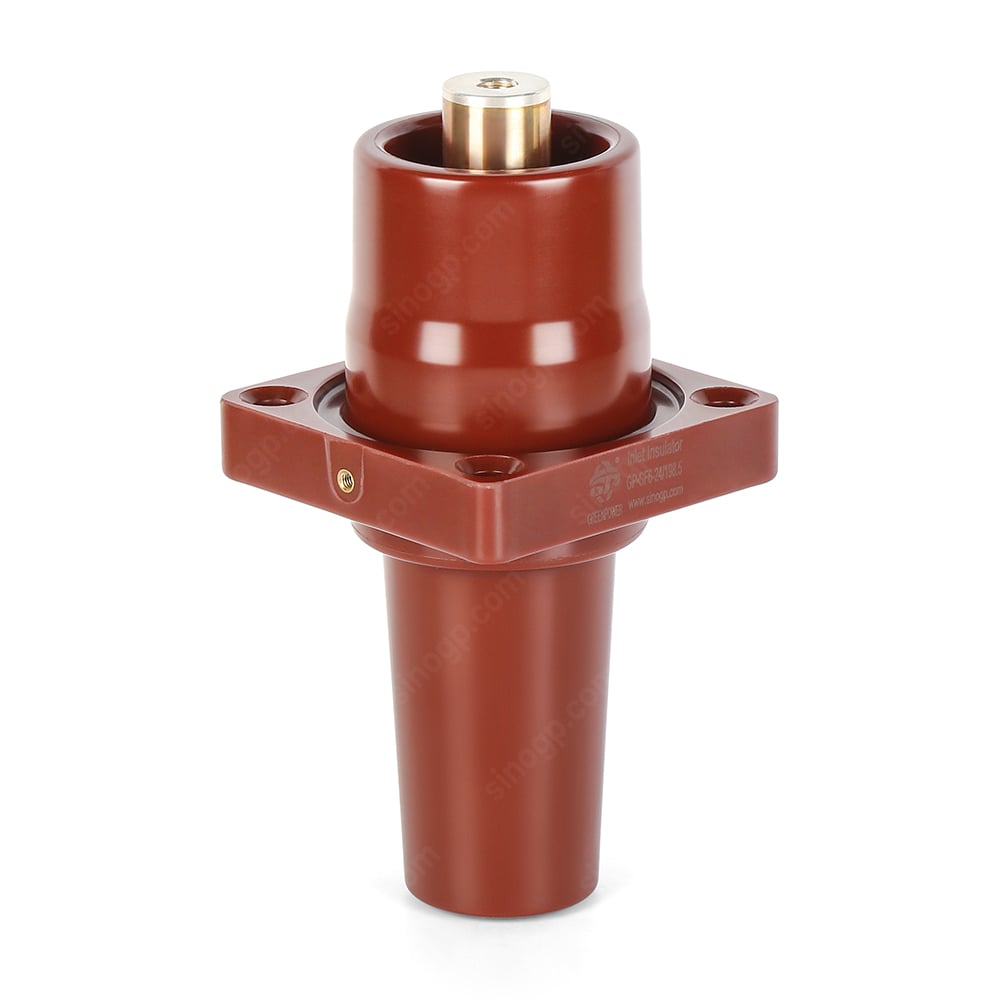
Insulator materials tend to break down over time through several connected processes: heat damage, partial discharge wear, and chemical buildup on surfaces. All these factors work together to weaken the electrical properties of insulators. When temperatures go above about 80 degrees Celsius, the material starts breaking down faster. For every additional 8 to 10 degrees, the life of polymer insulation gets cut in half because the molecules start breaking apart and getting brittle. Partial discharge creates tiny channels inside the insulation when small sparks happen locally. In bad situations, this can reduce the ability to withstand voltage by as much as 70 to 90 percent within just a few months. Industrial pollutants like sulfates from factories, salt from coastal areas, and acidic rainwater create conductive layers on surfaces that increase leakage currents and lead to dangerous arcing between dry spots. Early warning signs include leakage currents above 500 microamps, carbon tracks appearing on surfaces, and strange crackling sounds coming from equipment. Keeping an eye on these signals allows for repairs before failure happens, which is really important in places with lots of moisture or pollution where everything breaks down 5 to 10 times faster than normal conditions.
When companies adopt proactive reliability management strategies, they see major drops in unexpected equipment failures along with reduced overall costs throughout the product lifecycle. The shift away from waiting for breakdowns before replacing parts means implementing things like infrared scans to spot heat issues, using ultrasonic tools to find electrical problems, and creating pollution maps through geographic information systems. Following PAS 55 standards helps create systematic monitoring routines where technicians check surfaces monthly for signs of wear or cracks, and run quarterly tests on insulation materials to ensure they're still holding up. According to research from ARC Advisory Group back in 2022, this kind of approach can slash unplanned downtime by nearly three quarters. Assets also last longer when maintenance schedules match what's actually happening with the equipment rather than following generic timelines. Putting sensor data about insulators into reliability centered maintenance systems makes all those real time measurements about leakage currents or temperature changes across components much more useful. Facility managers get concrete information that tells them exactly when repairs need attention based on actual conditions instead of guesswork.
 Hot News
2026-04-25
2026-04-23
2026-04-22
2026-04-21
2026-04-16
2026-04-15

Zhejiang Greenpower Electric Co., Ltd provides high-end green intelligent switchgears for mid-to-high voltage applications. Our R&D expertise and one-stop procurement deliver safe, efficient, energy-saving solutions trusted by global clients. Request a quote today.