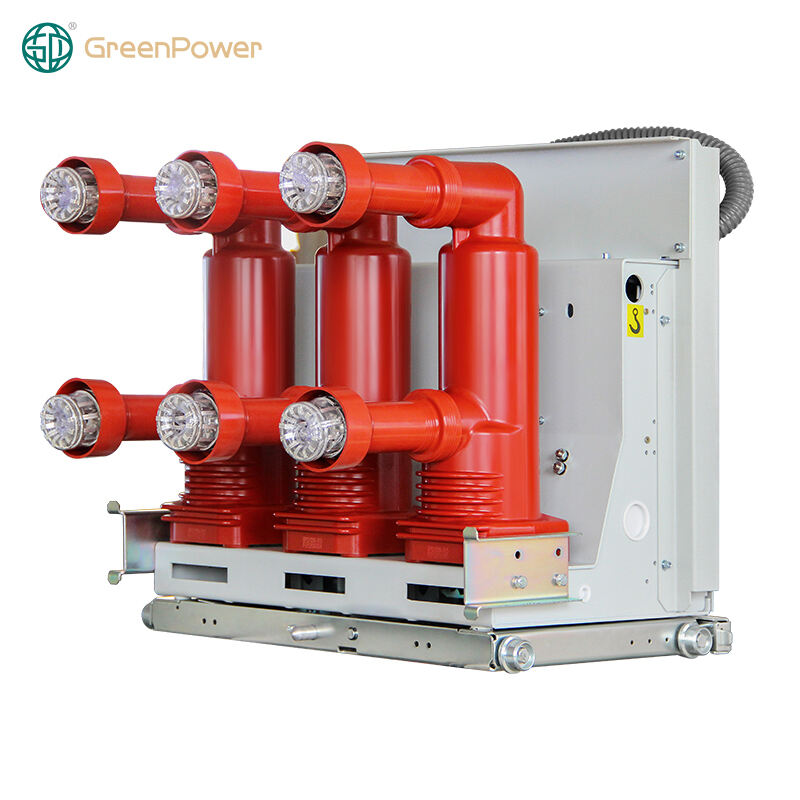
दोष अवरोधन के दौरान संपर्कों के पृथक्करण के कारण धातु वाष्प आयनित हो जाता है और एक आर्क (चाप) का निर्माण करता है। उच्च निर्वात वातावरण, जो आमतौर पर 10^-4 टॉर से कम होता है, में इलेक्ट्रॉन एवलांच (श्रृंखला अभिक्रिया) को जारी रखने के लिए आवश्यक गैस के अणुओं की लगभग कोई उपस्थिति नहीं होती है। जब मुक्त इलेक्ट्रॉनों के टकराने के लिए कुछ भी नहीं होता है, तो वे उन द्वितीयक इलेक्ट्रॉनों का निर्माण नहीं कर सकते जो अन्यथा प्लाज्मा के निर्माण को बढ़ाएंगे। इस प्लाज्मा के स्थायी होने से पहले ही, धातु वाष्प लगभग 3 मिलीसेकंड में संपर्क सतहों पर फिर से सघनित हो जाता है। यह तीव्र प्रक्रिया शीघ्र डीआयनाइज़ेशन (विआयनीकरण) की अनुमति देती है और समय के साथ संपर्क क्षरण को काफी कम करती है। इसकी इतनी प्रभावशीलता का कारण यह है कि ये प्रणालियाँ 30 हज़ार से अधिक संचालनों को बिना किसी रखरखाव के संभाल सकती हैं। यह गैस या तेल से भरे विकल्पों द्वारा प्राप्त किए जाने वाले परिणाम से काफी अधिक है, क्योंकि उनकी आयनीकरण प्रक्रियाएँ आर्किंग की अवधि को बढ़ा देती हैं और घटकों के क्षरण को तीव्र कर देती हैं।
वैक्यूम इंटरप्टर्स को धारा के शून्य बिंदु पर पहुँचने के केवल 10 माइक्रोसेकंड के भीतर ही परावैद्युत पुनर्प्राप्ति प्रक्रिया शुरू करने में सक्षम होने का गुण प्राप्त है, जो SF6 ब्रेकर्स की तुलना में लगभग 200 गुना तेज़ है और पुराने वायु-विच्छेदन (एयर-ब्रेक) डिज़ाइनों की तुलना में लगभग 1000 गुना तेज़ है। ऐसा क्यों होता है? वास्तव में, वैक्यूम में एक अद्भुत गुण होता है, जिसे 'आंतरिक परावैद्युत सामर्थ्य' कहा जाता है, जो लगभग 40 किलोवोल्ट प्रति मिलीमीटर होती है, जबकि SF6 के लिए यह केवल 8 किलोवोल्ट प्रति मिलीमीटर होती है। इसके अतिरिक्त, कोई भी अवांछित अपघटन उत्पाद (डिकम्पोज़िशन बायप्रोडक्ट्स) इस प्रक्रिया में बाधा नहीं डालते हैं। जब धातु वाष्प संघनित होना शुरू होता है, तो यह वास्तव में उन पारगम्य पुनर्प्राप्ति वोल्टेज (ट्रांजिएंट रिकवरी वोल्टेजेज) के शिखर पर पहुँचने से ठीक पहले संपर्क अंतराल को साफ़ कर देता है। इससे वोल्टेज वृद्धि की दर बहुत तीव्र होने पर भी—जो 20 किलोवोल्ट प्रति माइक्रोसेकंड तक पहुँच सकती है—अवांछित पुनः चापन (रेस्ट्राइक्स) को दबाने में सहायता मिलती है। विकल्पों पर विचार करें तो, SF6 प्रणालियों को गैस के विआयनीकरण (डीआयोनाइज़ेशन) की प्रक्रिया के लिए 2 से 5 मिलीसेकंड का समय लगता है, जबकि वायु-विच्छेदन इकाइयाँ अप्रिय प्लाज्मा चैनलों के शेष रहने की समस्या से ग्रस्त होती हैं। इस अत्यंत तीव्र पुनर्प्राप्ति समय के कारण, वैक्यूम सर्किट ब्रेकर्स विभिन्न औद्योगिक सेटिंग्स में संधारित्र बैंकों के नियंत्रण या मोटर प्रारंभ के प्रबंधन जैसी उच्च आवृत्ति स्विचिंग आवश्यकताओं के लिए सर्वश्रेष्ठ समाधान के रूप में उभरते हैं।
वैक्यूम सर्किट ब्रेकर की कार्य करने की गति तब सबसे महत्वपूर्ण होती है जब प्रणालियाँ विद्युत दोषों का सामना करती हैं। ये ब्रेकर लगभग 15 मिलीसेकंड में संपर्कों को अलग कर देते हैं, जो वास्तव में पारंपरिक तेल या वायु आधारित मॉडलों की तुलना में चार गुना तेज़ है, जिन्हें इस कार्य को पूरा करने में 60 मिलीसेकंड से अधिक समय लगता है। यह गति विद्युत आघातों के हानिकारक प्रभावों को काफी कम कर देती है। जब लघु-परिपथ (शॉर्ट सर्किट) होता है, तो चालकों और ट्रांसफॉर्मरों पर भारी ऊष्मा संचय का प्रभाव पड़ता है। शोध संकेत देता है कि दोष शुरू होने के केवल आधे सेकंड के भीतर चालकों का तापमान 300 डिग्री सेल्सियस तक बढ़ सकता है, जिससे विद्युत रोधन सामग्रियों के क्षरण की दर वास्तव में तेज़ हो जाती है। वास्तविक लाभ यह है कि धारा प्रवाह को उसकी अधिकतम तीव्रता तक पहुँचने से पहले ही रोक दिया जाता है, जिससे ऊष्मीय क्षति सीमित रहती है और विद्युत नेटवर्क के अन्य भागों तक फैलने से रोकी जाती है। यह कैसे काम करता है? क्योंकि वैक्यूम अंतराय (इंटरप्टर्स) का मूल स्तर पर कार्य करने का तरीका भिन्न होता है। कोई भी ऐसा पदार्थ न होने के कारण, जो आयन उत्पन्न कर सके, संपर्कों के अलग होने के 5 से 10 माइक्रोसेकंड के भीतर विद्युत चाप स्वतः विलुप्त हो जाता है। उद्योग की क्षेत्रीय रिपोर्ट्स भी इन लाभों की पुष्टि करती हैं, जो दर्शाती हैं कि वैक्यूम ब्रेकरों के साथ प्रमुख श्रृंखला प्रतिक्रियाएँ काफी कम आम हैं। विभिन्न स्थापनाओं के रखरखाव रिकॉर्ड के अनुसार, विफलताओं की अवधि पुरानी प्रौद्योगिकियों की तुलना में लगभग 68% कम होती है।
इलेक्ट्रिक पावर रिसर्च इंस्टीट्यूट (Electric Power Research Institute) के 2022 के विश्वसनीयता निष्कर्षों के अनुसार, वैक्यूम सर्किट ब्रेकरों की लगभग 25,000 ऑपरेशन के बाद विफलता दर 0.08% से कम है, जो तेल-आधारित और वायु-आधारित ब्रेकरों की तुलना में लगभग 3 से 5 गुना बेहतर है। इस प्रकार के प्रदर्शन को प्राप्त करने के लिए मुख्य रूप से दो बातों का ध्यान रखना आवश्यक है: पहली, सुनिश्चित करना कि संपर्क अंतर (कॉन्टैक्ट गैप) ±0.2 मिमी के भीतर बना रहे; और दूसरी, प्रत्येक तीन महीने में मैग्नेट्रॉन डिस्चार्ज परीक्षणों के माध्यम से वैक्यूम अखंडता की जाँच करना। इन रखरखाव नियमों का पालन करने वाले उपकरण 100,000 से अधिक यांत्रिक चक्रों तक प्रभावकारिता खोए बिना कार्य कर सकते हैं। इसका अर्थ है कि तेल या SF6 प्रणालियों की तरह तरल पदार्थों को बार-बार भरने की चिंता करने की आवश्यकता नहीं है, जिससे लंबे समय में समय और धन दोनों की बचत होती है।
सीआईजीआरई टेक्निकल बुलेटिन 892 के नवीनतम आँकड़े बिजली क्षेत्र में वर्तमान में हो रहे एक रोचक परिवर्तन को दर्शाते हैं। विश्व स्तर पर, 2020 से 2023 के बीच स्थापित किए गए सभी नए मध्यम वोल्टेज उप-केंद्रों में से लगभग 82 प्रतिशत वैक्यूम सर्किट ब्रेकर को मानक उपकरण के रूप में चुन रहे हैं। ऐसा क्यों? क्योंकि ये उपकरण लगभग 25 वर्षों के सेवा जीवन के साथ समय की परीक्षा में सफल रहे हैं, जो पारंपरिक तेल-आधारित प्रणालियों की तुलना में लगभग दोगुना है। इसके अतिरिक्त, इन्हें प्रति वर्ष काफी कम रखरखाव की आवश्यकता होती है, जिससे रखरखाव के घंटों में लगभग 90% की कमी आ जाती है। जब कंपनियाँ जीवन चक्र लागत का विश्लेषण करती हैं, तो गणित भी सही बैठता है। विश्व भर की बिजली उपयोगिताओं को वैक्यूम प्रौद्योगिकी की तुलना में गैस-इन्सुलेटेड विकल्पों के साथ लगभग 40% की बचत देखने को मिल रही है। यही कारण है कि वैक्यूम सर्किट ब्रेकर उन महत्वपूर्ण अवसंरचना परियोजनाओं में विश्वसनीय संचालन का स्वर्ण मानक बन रहे हैं, जहाँ बिजली आपूर्ति में व्यवधान का कोई विकल्प नहीं है।
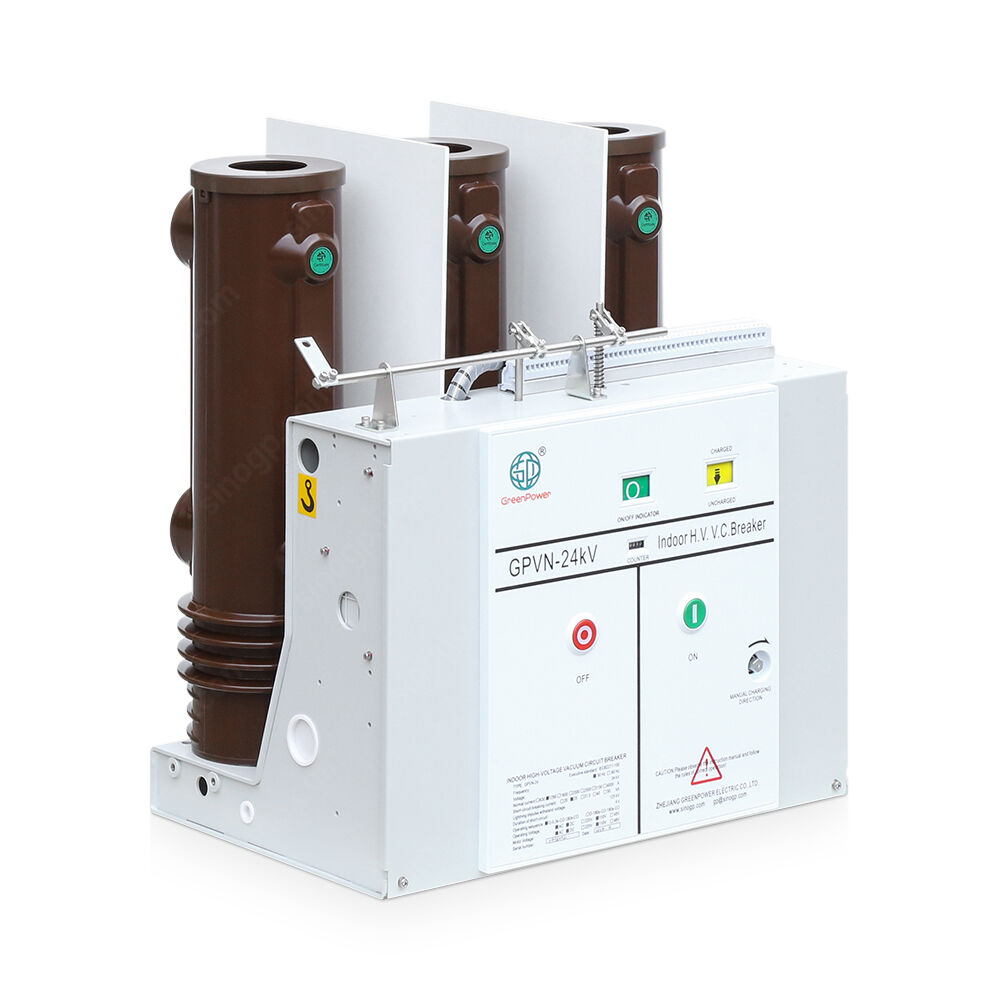
वैक्यूम सर्किट ब्रेकर पारंपरिक तेल या वायु आधारित मॉडलों की तुलना में सीधे तौर पर अधिक विश्वसनीय होते हैं, जैसा कि दुनिया भर के कई अलग-अलग स्थापनाओं में वास्तविक दुनिया के प्रदर्शन द्वारा सिद्ध किया गया है। सील किए गए वैक्यूम कक्ष के डिज़ाइन से कई समस्याओं का एक साथ समाधान हो जाता है — कोई ऑक्सीकरण नहीं होता, इसके अंदर कोई ज्वलनशील पदार्थ नहीं होता, और कुछ भी बाहर नहीं रिसता जो पर्यावरण को प्रदूषित कर सके। इसका अर्थ है कि आग की संख्या कम होती है और पुराने तेल आधारित प्रणालियों को परेशान करने वाले रखरखाव के लिए बहुत कम डाउनटाइम की आवश्यकता होती है। पारंपरिक ब्रेकरों को नियमित रूप से तरल पदार्थ के बदलाव और सावधानीपूर्ण गैस प्रबंधन की आवश्यकता होती है, लेकिन वैक्यूम सर्किट ब्रेकर अलग तरीके से काम करते हैं। उनकी विशेष आर्क क्वेंचिंग प्रक्रिया समय के साथ घिसने पर हानिकारक रसायनों का उत्पादन नहीं करती है। सुरक्षा, प्रतिक्रिया की गति और उनके लंबे जीवनकाल के इन लाभों के कारण, 2020 से 2023 के बीच निर्मित अधिकांश आधुनिक मध्यम वोल्टेज उप-केंद्रों ने उद्योग के दिशानिर्देशों के अनुसार वैक्यूम प्रौद्योगिकी को निर्दिष्ट करना शुरू कर दिया है। 2022 के क्षेत्र परीक्षणों से पता चलता है कि इन ब्रेकरों की विफलता लगभग 25,000 चक्रों के बाद प्रति हज़ार संचालनों में एक से कम बार होती है, जिसने विद्युत उपकरणों से दीर्घकालिक रूप से जो अपेक्षा की जाती है, उसके लिए एक नया मानक स्थापित कर दिया है।
 ताज़ा समाचार
2026-04-25
2026-04-23
2026-04-22
2026-04-21
2026-04-16
2026-04-15

झेजियांग ग्रीनपावर इलेक्ट्रिक कं, लिमिटेड मध्यम और उच्च वोल्टेज अनुप्रयोगों के लिए उच्च-स्तरीय हरित बुद्धिमान स्विचगियर प्रदान करता है। हमारी अनुसंधान एवं विकास क्षमता और एकल-स्टॉप खरीद वैश्विक ग्राहकों द्वारा भरोसा किए गए सुरक्षित, कुशल और ऊर्जा-बचत समाधान प्रदान करती है। आज ही कोटि का अनुरोध करें।