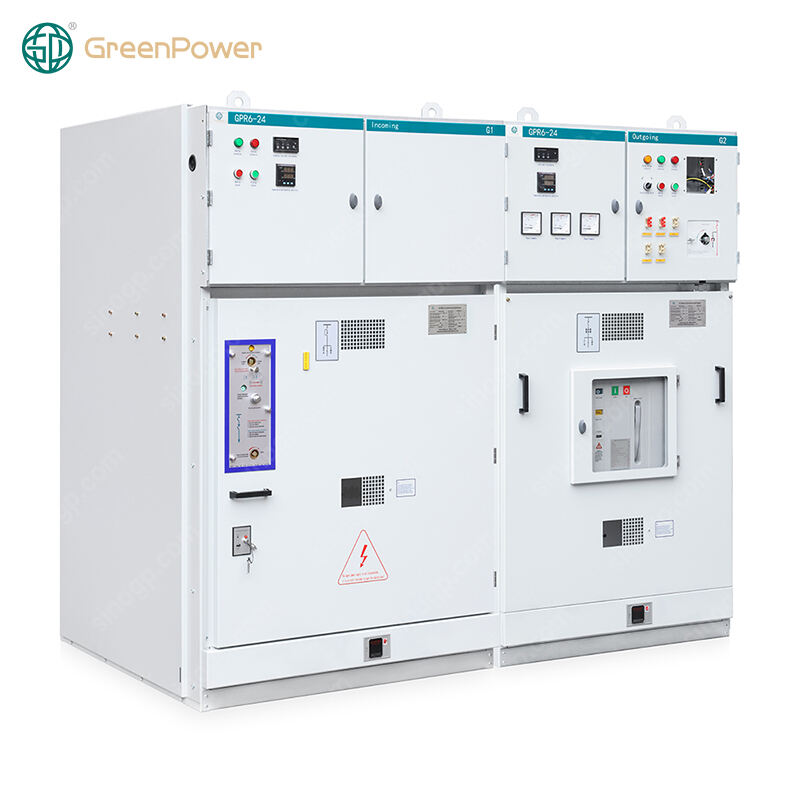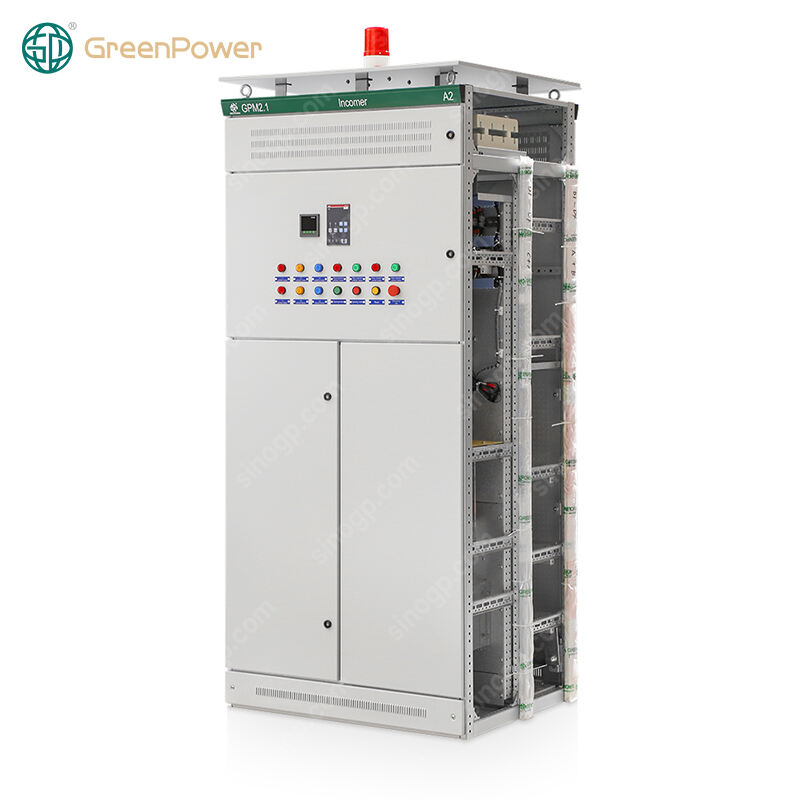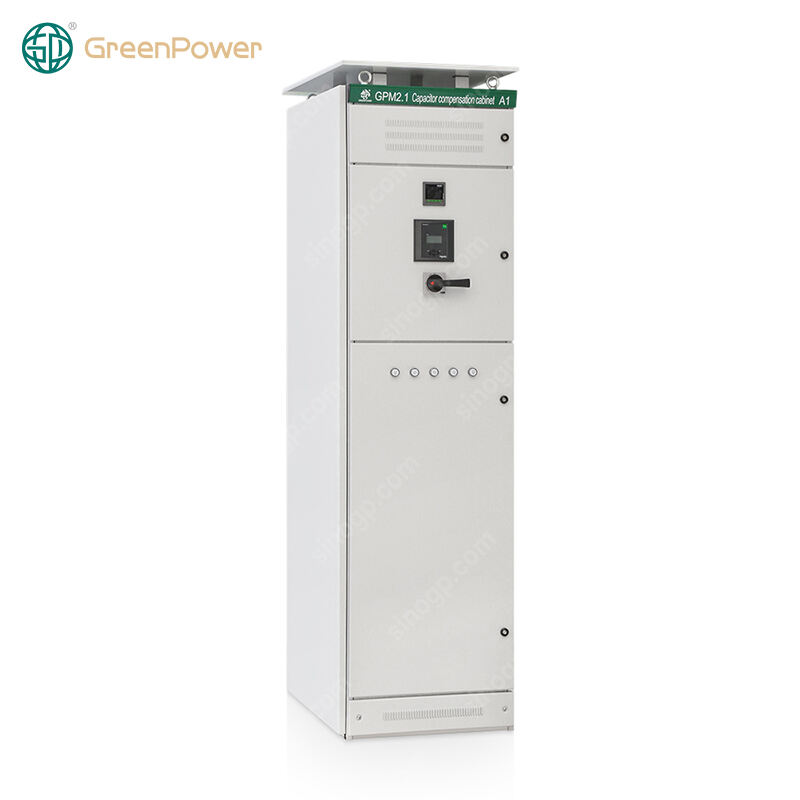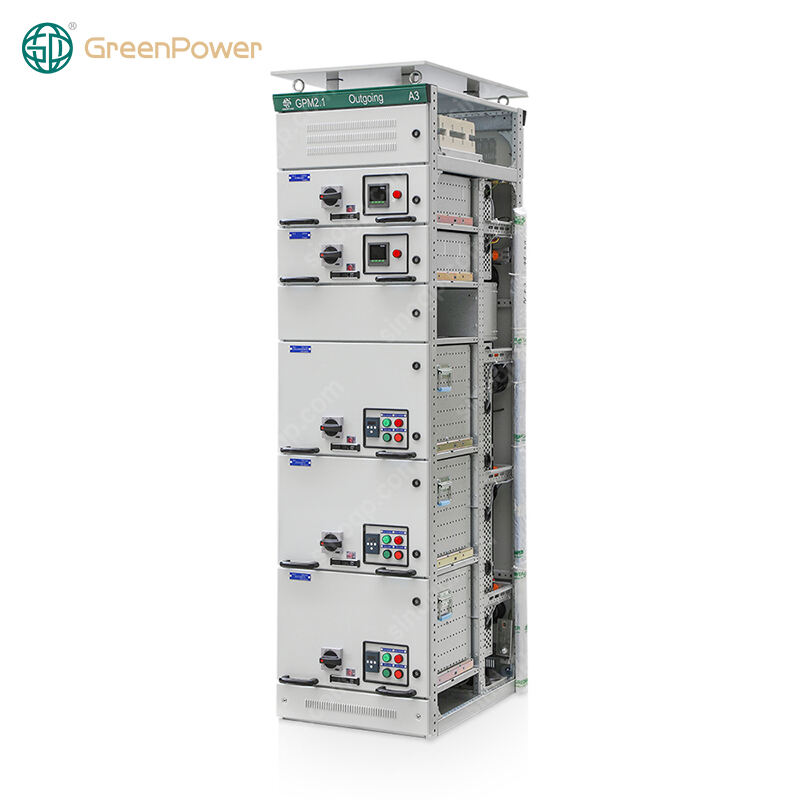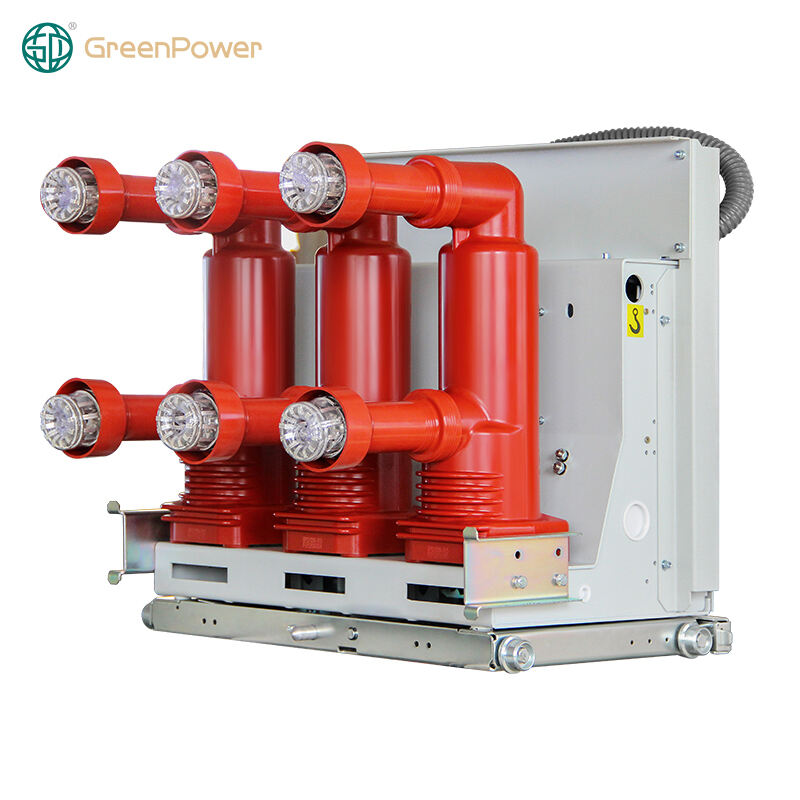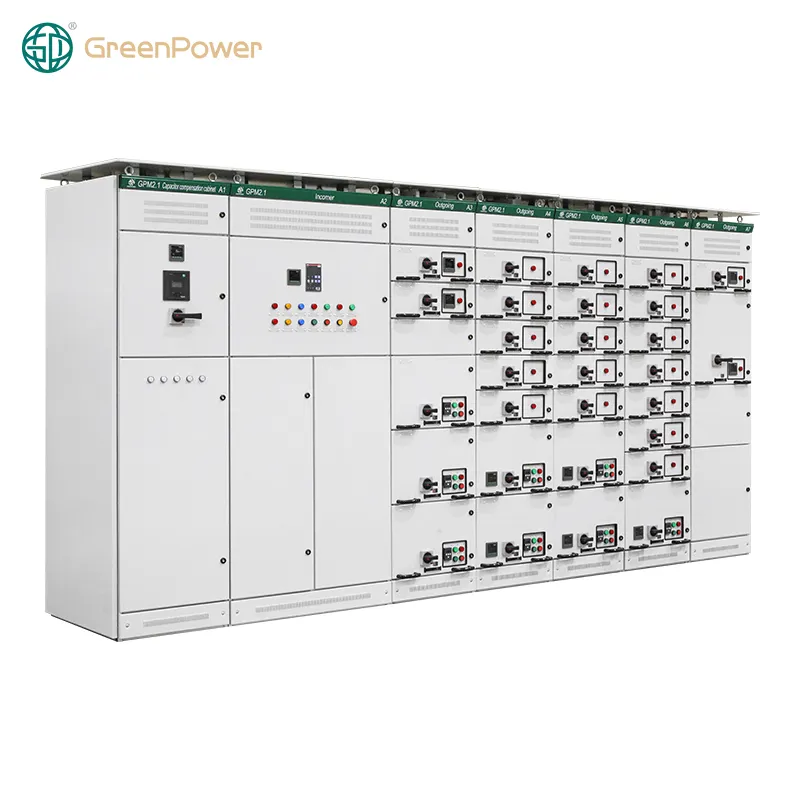
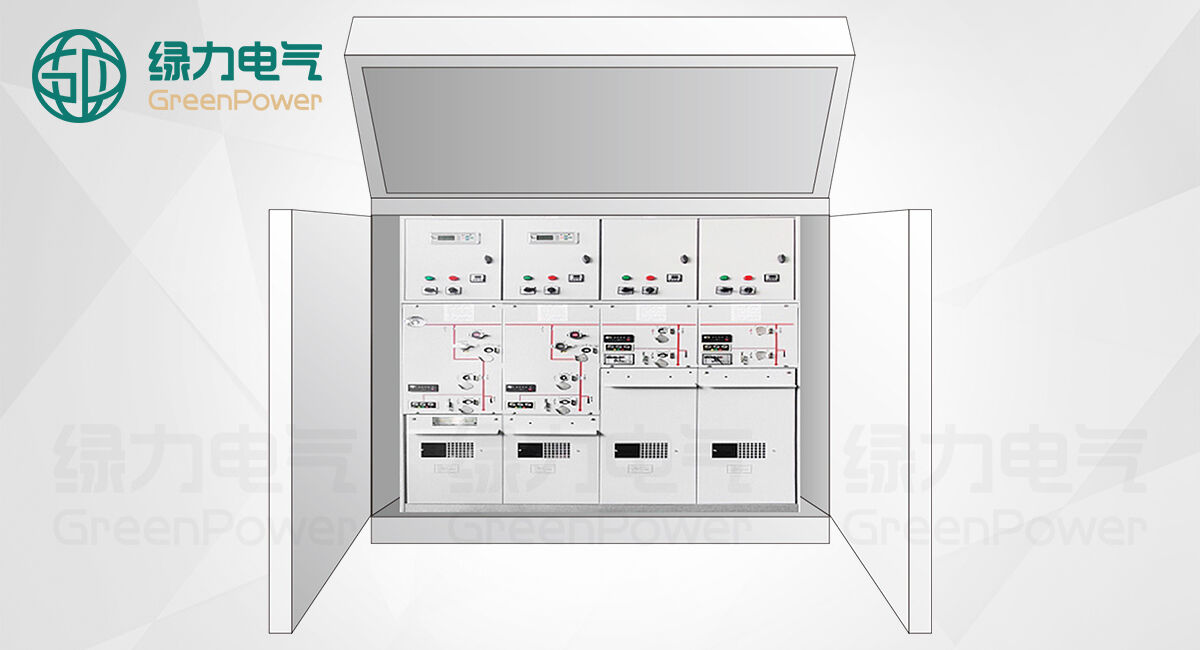
Ang Ring Main Unit, na karaniwang tinatawag na RMU, ay gumagana bilang isang kompakto at sistematikong switchgear na nakakulong sa metal na kaban. Ang mga yunit na ito ay nangangasiwa, nagpapangalaga, at naghihiwalay sa mga distribusyon ng medium voltage na karaniwang umaandar sa pagitan ng 10kV at 35kV. Sa loob ng mga kaban na ito, makikita ang ilang pangunahing bahagi na sama-samang gumagana: ang vacuum circuit breakers ay humihinto sa pagkalat ng mga kawalan, ang disconnectors ay nagbibigay-daan sa mga teknisyan na ligtas na magtrabaho sa kagamitan, ang current limiting fuses ay nagpapangalaga laban sa labis na daloy ng kuryente, at ang lahat ng konektadong kable ay nananatiling maayos na insulated sa loob mismo ng yunit. Ang kahalagahan ng setup na ito ay ang kanyang kakayahang kumuha ng napakaliit na espasyo ngunit panatilihin pa rin ang kaligtasan ng mga manggagawa habang nag-o-operate. Dahil dito, maraming lungsod ang nag-i-install ng mga ito sa mga bakanteng lugar tulad ng mga substation sa sentro ng lungsod, mga pabrika na nangangailangan ng maaasahang suplay ng kuryente, o mga punto ng koneksyon para sa mga wind farm at solar installation. Bukod dito, dahil suportado nito ang parehong radial at ring network layouts, ang mga operator ay may kalayaan na mabilis na kontrolin ang mga problema at i-redirect ang daloy ng kuryente kapag kinakailangan—na lubhang mahalaga sa pagpapanatili ng pare-parehong serbisyo.
Ang Ring Main Units ay gumagana bilang mga matalinong punto ng koneksyon sa loob ng mga medium voltage looped network, na gumagamit ng dalawang hiwalay na pinagkukunan ng kuryente upang magkaroon ng kakayahang mag-backup. Kapag gumagana sa karaniwang antas ng distribusyon na humigit-kumulang sa 11 kV o 33 kV, ang mga yunit na ito ay nakakakita ng mga problema tulad ng nabigyang kable o hindi tamang paggana ng mga transformer kadalasan sa loob ng 100 hanggang 300 milisegundo. Ang nagpapagaling sa kanila ay ang kakayahang putulin ang eksaktong nasirang bahagi nang hindi naaapektuhan ang buong sistema. Ang natitirang bahagi ng network ay tumatapos sa pamamagitan ng paghahanap ng alternatibong ruta para sa paghahatid ng kuryente, kaya nananatiling online ang serbisyo kahit sa panahon ng mga problema. Ang ganitong uri ng N minus one redundancy ay nagbabago sa mga karaniwang electrical grid patungo sa isang sistema na parang may kakayahang mag-repair sa sarili. Para sa mga lugar kung saan ang tuloy-tuloy na operasyon ay pinakamahalaga—tulad ng mga ospital na nangangailangan ng life support equipment, mga data center na patakbo ng mahahalagang aplikasyon, o mga pabrika na gumagawa ng mga produkto na nangangailangan ng tuloy-tuloy na pagsubaybay—ang pagkawala ng kuryente ay hindi lamang hindi komportable. Ayon sa pananaliksik mula sa Ponemon Institute na inilathala noong 2023 tungkol sa mga outage sa data center, maaaring mawala ng higit sa pitong daan at apatnapu’t libong dolyar bawat oras ang kita ng mga negosyo kapag tumigil ang operasyon.
Ang mga modernong RMU na may mga relay para sa proteksyon na batay sa mikroprosesor ay kaya nang matukoy ang mga short circuit at ground fault sa loob ng ilang milisegundo lamang. Ang mga 'smart' na sistemang ito ay kumikilos sa pamamagitan ng pagputol lamang sa bahaging may problema sa network habang pinapanatili ang normal na operasyon ng lahat ng iba pang bahagi. Halimbawa, kapag may nasirang kable, ito ay hihiwalayin sa loob ng kalahating segundo, at ang kuryente ay maaaring bumalik nang awtomatiko sa pamamagitan ng ibang daan sa ring network. Ang tradisyonal na radial na setup ay hindi kayang makaharap sa ganitong antas ng pagganap. Ayon sa ilang kamakailang pag-aaral mula sa mga eksperto sa Grid Reliability, ang pamamaraang ito ay nababawasan ang mga pagkakabigo sa suplay ng kuryente ng humigit-kumulang 80%. Ang dahilan kung bakit napakahusay ng mga sistemang ito ay ang kanilang kakayahang magkakaiba ng mga pansamantalang glitch na nawawala nang kusa at ng tunay na problema na nangangailangan ng pansin. Kapag nawala nang kusa ang isang isyu, awtomatikong susubukan ng sistema ang muling koneksyon. Ngunit kung may nananatiling problema, i-lock out nito ang seksyon at ipapadala ang mga alerto nang pampangalawang lugar. Ibig sabihin, mas mabilis na pagreresolba, mas kaunti ang pagkasira sa kagamitan, at mas kaunti ang problema para sa mga taong nagtatrabaho sa parehong industriyal na lugar at lungsod na grid kung saan ang walang kupas na serbisyo ang pinakamahalaga.
Ang RMU ay nag-aalok ng ilang mga antas ng proteksyon para sa parehong imprastruktura at personal na nangangalaga sa kanila. Ang mga vacuum circuit breaker ay maaaring huminto sa mga fault current sa loob lamang ng tatlong cycles, na tumutulong na protektahan ang mga transformer at underground cables mula sa labis na pinsala dulot ng init. Sa loob ng mga yunit na ito ay may mga gas insulated na seksyon, na karaniwang puno ng SF6 o clean air technology. Ang mga kompartimento na ito ay epektibong nakakapigil sa arc energy, na binabawasan ang peligrosong antas ng pagkakalantad para sa mga manggagawa sa pagpapanatili ng mga kagamitan nang humigit-kumulang sa 60 porsyento kung ihahambing sa mga lumang air insulated system ayon sa mga pamantayan ng IEEE noong 2023. Sa usapin ng ground faults, ang mga sistema ng deteksiyon ay sumisipa nang maaga upang mahuli ang mga problema sa earth leakage bago pa man magsimulang mapinsala ang mga materyales na pang-insulation. Bukod dito, mayroon ding mga mekanikal at elektrikal na lock na nagpipigil sa aksidental na pagkontak sa mga live component. At huwag nating kalimutan ang remote operations din. Ang kakayahang i-on at i-off ang mga bagay mula sa malayo ay nangangahulugan ng mas kaunting pagbisita sa mga panganib na lugar, na ginagawa ang lahat na mas ligtas nang hindi masyadong binabagal ang bilis ng reaksyon.
Ang mga modernong RMU ngayon ay kasalukuyang mayroong IoT sensors at standard na communication protocols tulad ng IEC 61850 at DNP3 na nagpapahintulot ng real-time telemetry. Ang mga sistemang ito ay nagpapadala ng mahahalagang datos tulad ng mga pagbabasa ng kasalukuyang load, mga pagsukat ng temperatura, mga palatandaan ng partial discharge, at ang pangkalahatang kalagayan ng kagamitan nang direkta sa mga sistema ng SCADA at iba pang software para sa pamamahala ng grid. Halimbawa, ang thermal monitoring. Ayon sa Grid Operations Journal mula noong nakaraang taon, mas mabilis itong nakikita ang mga hindi karaniwang problema sa pag-init ng conductor—mga 68 porsyento nang mas mabilis kumpara sa mga lumang thermographic survey na ginagawa nang manu-mano. Ang maagang deteksyon na ito ay nagbibigay-daan para balansehin ang mga load nang proaktibo at maiwasan ang mga overload bago pa man mangyari. Kapag ang mga sistema ng SCADA ay wastong na-integrate, ang mga operator ay maaaring magpatupad ng mga secure na remote switching operation. Ibig sabihin, walang kailangang pumunta nang pisikal sa lokasyon para sa regular na pag-aadjust ng sistema o kapag may emergency na kailangan ng paghihiwalay ng kagamitan. Bilang resulta, ang average na mga power outage sa mga lungsod ay nalulutas nang mga 40 porsyento nang mas mabilis kumpara sa panahon bago pa ipatupad ang mga teknolohiyang ito.
Ang mga RMU na may kagamitang IoT ay nakakakuha ng detalyadong impormasyon tungkol sa operasyon na nagpapahintulot sa predictive maintenance. Kapag tinitingnan natin ang mga bagay tulad ng mga vibration, pagbabago ng temperatura, at mga partial discharge, ang mga pagsukat na ito ay maaaring makita ang mga problema na unti-unting lumalabas sa mga komponente tulad ng mga breaker, bushing, at insulator nang maaga pa bago sila lubos na mabigo. Ilan sa mga utility ang nang-ulat noong 2023 na ang kanilang mga schedule para sa pagpapanatili—na batay sa mga algorithm—ay nakatulong na palawigin ang buhay ng mga RMU ng humigit-kumulang pito taon sa average. Ang kakaiba ay kung paano sumusuporta ang data na ito sa teknolohiyang digital twin. Ang mga virtual na modelo na ito ay nagbibigay-daan sa mga inhinyero na makita kung paano reaksyon ang power grid sa iba’t ibang sitwasyon. Halimbawa, kapag biglang tumataas ang solar power o kapag nagbabago ang load nang hindi inaasahan, ang mga operator ay maaaring subukan muna ang kanilang mga plano ng tugon sa virtual na mundo. Ang paraang ito ay tumutulong sa kanila na i-optimize ang mga protective system at pamahalaan ang humigit-kumulang 35% pang renewable energy sources nang hindi nasisira ang stability ng grid.
Inilalagay ang mga Ring Main Unit kung saan sila kailangan ng pinakamarami upang pangasiwaan ang iba't ibang isyu sa pagkakatiwalaan, mga limitasyon sa espasyo, at araw-araw na operasyon sa kasalukuyang mga elektrikal na network. Napakalaking benepisyo ng mga ito sa mga lungsod dahil ang kanilang maliit na sukat at modular na pagkakabuo ay nagpapabilis ng proseso ng pag-upgrade ng mga substation sa mga siksik na sentrong bayan. Ang oras ng pag-install ay bumababa ng humigit-kumulang 30% kumpara sa tradisyonal na paraan, na nangangahulugan ng mas kaunting pagkakabigo sa suplay ng kuryente para sa mga naninirahan sa mataong mga lugar. Umaasa rin ang mga pasilidad sa industriya sa mga RMU kapag nagbabago sila mula sa karaniwang grid power patungo sa mga backup na pinagkukunan tulad ng diesel generator o mga sistema ng battery storage. Nakakatulong ito upang panatilihin ang tuloy-tuloy na produksyon sa paggawa nang walang hindi inaasahang paghinto na nagdudulot ng gastos. Sa mga proyektong pangrenewable energy tulad ng mga solar farm na konektado sa pangunahing grid o mga microgrid na pinapatakbo ng hangin, ang mga RMU ay gumaganap ng mahalagang papel sa pamamahala ng dalawang direksyon ng daloy ng kuryente, sa pagpapanatili ng istable na voltage kahit na magbago ang kondisyon ng panahon, at sa pagbibigay-daan sa ilang bahagi ng grid na gumana nang hiwalay kung kinakailangan. Sa kabuuan, ang mga yunit na ito ay nagpapalakas ng kabuuang sistema ng kuryente, binabawasan ang mga gastos sa pangmatagalang pagpapanatili ng humigit-kumulang 15%, at tumutulong na i-align ang umiiral na imprastraktura sa mga bagong kinakailangan ng smart grid. Dahil dito, maraming eksperto ang nakikita ang mga RMU bilang mahalagang bloke ng gusali sa paglikha ng mga flexible at environmentally friendly na network ng distribusyon ng kuryente.
 Balitang Mainit
2026-04-25
2026-04-23
2026-04-22
2026-04-21
2026-04-16
2026-04-15

Ang Zhejiang Greenpower Electric Co., Ltd ay nagbibigay ng de-kalidad na berdeng matatalinong kagamitang pang-impulsong elektrikal para sa mga aplikasyon na katamtaman hanggang mataas ang boltahe. Ang aming dalubhasa sa pananaliksik at pagpapaunlad at isang-tambak na pagbili ay nagtataglay ng ligtas, mahusay, at nakatitipid sa enerhiya na mga solusyon na pinagkakatiwalaan ng mga kliyente sa buong mundo. Humiling ng quote ngayon.