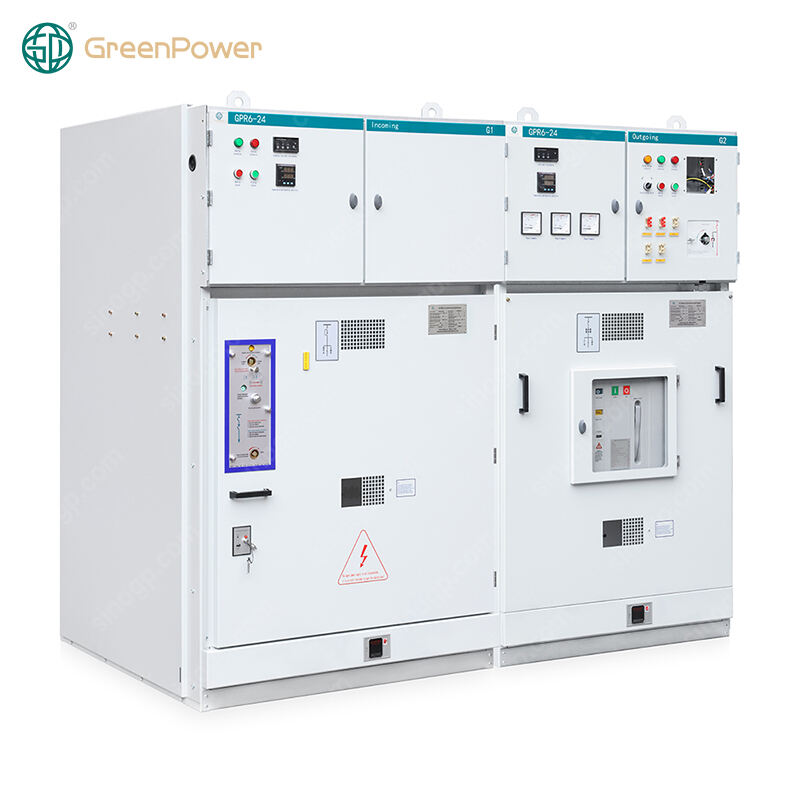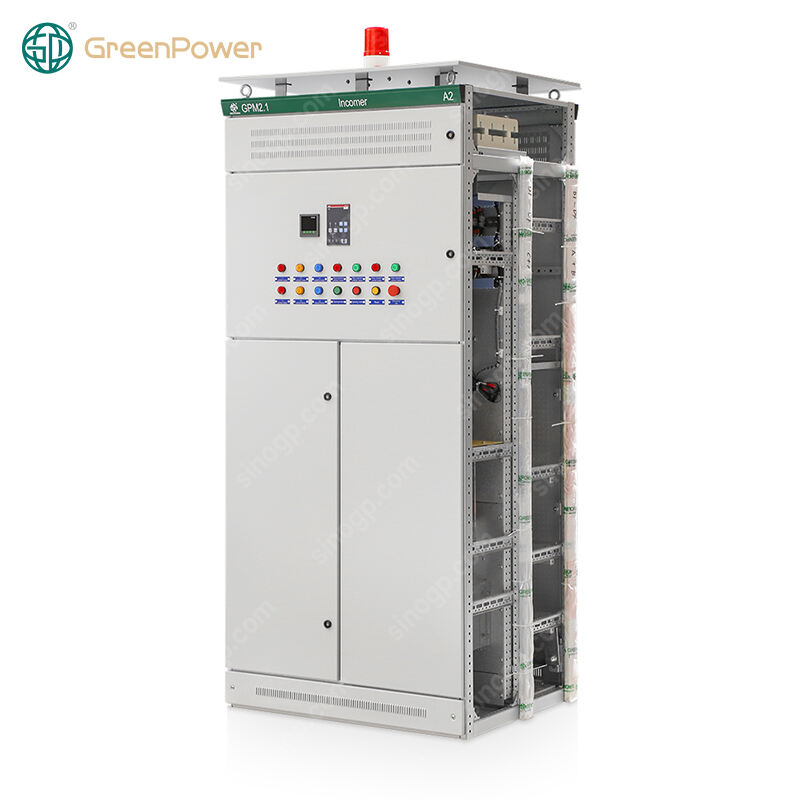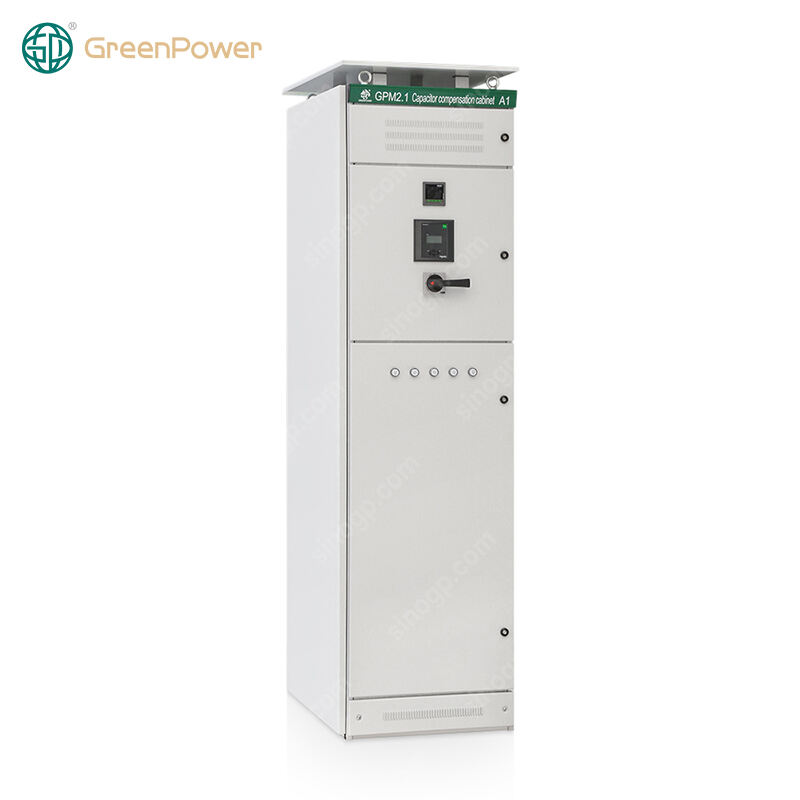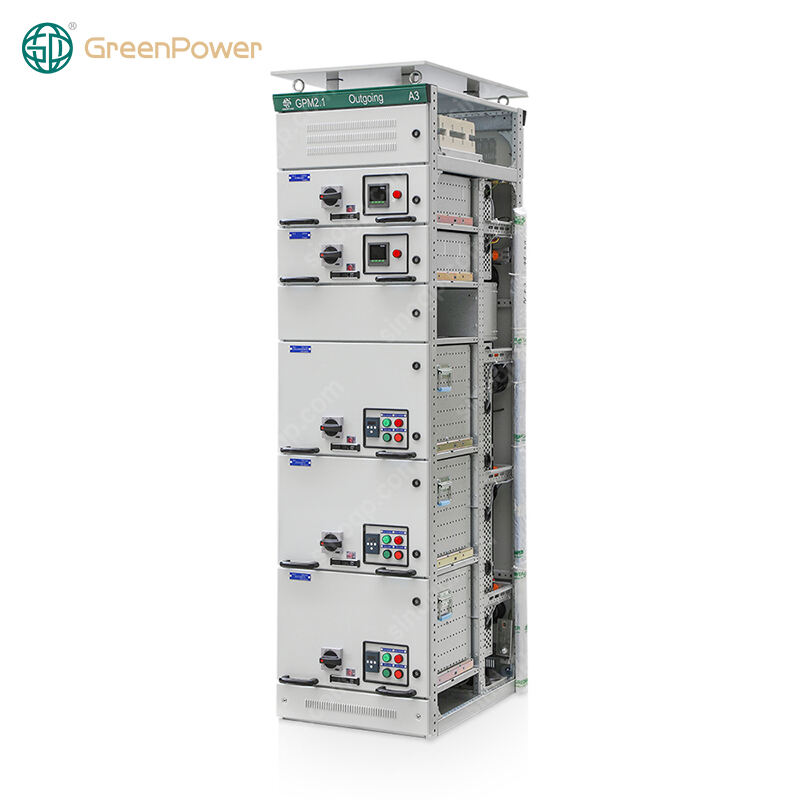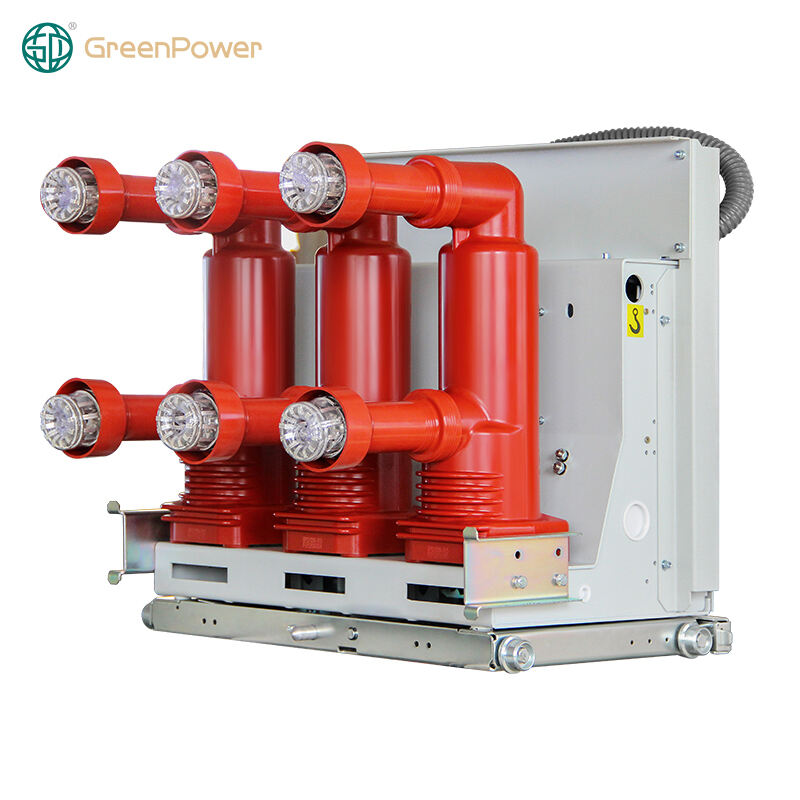
Vaakumkaitselülitid, lühendatult VCB-d, töötavad elektriliste kaarade kiireks kustutamiseks, tavaliselt vaid ühe kuni kahe kordse nullvoolu ajal, mis võtab tavaliselt vähem kui kümme millisekundit. Kuna vaakumis ei ole midagi, mida saaks ioniseerida, ei suuda kaar taas tekkida, kui vool langeb nulli. See tähendab, et saavutame tegelikult nii nimetatud tõelise nullvoolu katkestuse. Vaakum ise taastab oma elektri takistamise võime imponieerival kiirusel umbes 10–20 kilovolti mikrosekundis. See on palju parem kui tavaline õhk või isegi väävelheksofluoridgaas. Nende kaitselülitite kontaktid on valmistatud erimaterjalidest, näiteks vaske-kroomi sulamitest. Need materjalid aitavad reguleerida kaartehetel liikuvaid elektreone ja hoiavad metallipaarid kokku, nii et kontaktid ei kuluneneks nii kiiresti. Kõigi nende omaduste tõttu võivad tänapäevased vaakumkaitselülitid taluda üle 100 000 toimingut enne esimest hooldust. See teeb neid väga väärtuslikeks ootamatute võimsuspiikide ja rikeste käsitlemisel kõrgpingesüsteemides, kus usaldusväärsus on absoluutselt kriitilise tähtsusega.
VCB-d pakkuvad ületava dielektrilise vastupidavuse keskmise pingetasega rakendustes, kuna vaakum ei sõltu keskkonnatingimustest – erinevalt rõhust sõltuvast SF6-st või atmosfäärist sõltuvast õhust. See stabiilsus võimaldab kompaktset ja kõrgelt usaldusväärset kaitset alajaamades ja tööstusettevõtetes, kus toimub töö 10–35 kV juures.
| Parameeter | VCB | Acb | SF6-kaitse |
|---|---|---|---|
| Dielektriline tugevus | ~40 kV/cm (stabiilne) | ~3 kV/cm (muutuv) | ~8 kV/cm (rõhust sõltuv) |
| Kaare kustutamise kiirus | <10 ms | 60–100 ms | 15–30 ms |
| Hooldusvajadused | Puudub (hermeetiline konstruktsioon) | Kvartalne inspektsioon | Aastaselt toimuv gaasiseire |
| Keskkonnarisiko | Null Emitsioonid | Õhupinistus | SF6-lekke (GWP = 23 500) |
PER Kõrgpingeinseneri aruanded (2024) , vaakumlülite (VCB) veakorraldamise eduosa on 35 kV juures 98 % — see ületab õhulülite (ACB) tulemusi usaldusväärsuse näitajates 32 protsendipunkti ja SF6-lülite tulemusi 17 protsendipunkti.
Vaakumil on muljetavaldav dielektriline tugevus umbes 40 kV sentimeetri kohta. See on ligikaudu 13 korda parem kui tavalisel õhul ja umbes viis korda tugevam kui SF6 gaas. Selle ülima omaduse tõttu võivad vaakumlüliti kontaktid olla oluliselt lähemal teineteisest kui traditsiooniliste ACB- või SF6-mudelite puhul, nagu viimase aasta IEEE Power Engineering Society poolt avaldatud uuringus kirjeldatud. Vaakumlüliteid saab kasutada laialdasel pingevahemikul – alates vaid 1 kilovoltist kuni 38 kilovoltini – ja samas säilib nende suhteline kompaktne suurus. Need eelised annavad reaalseid säästu materjalides ja pakuvad paigaldamisel väga vajalikku paindlikkust. Inseneridele, kes töötavad vanade elektrisüsteemide moderniseerimisega, muudavad need kompaktsete mõõtmetega seadmed suure erinevuse kitsastes ruumides, kus tihti piiratakse seda, millist varustust saab tegelikult olemasolevatesse rajatistesse paigaldada.
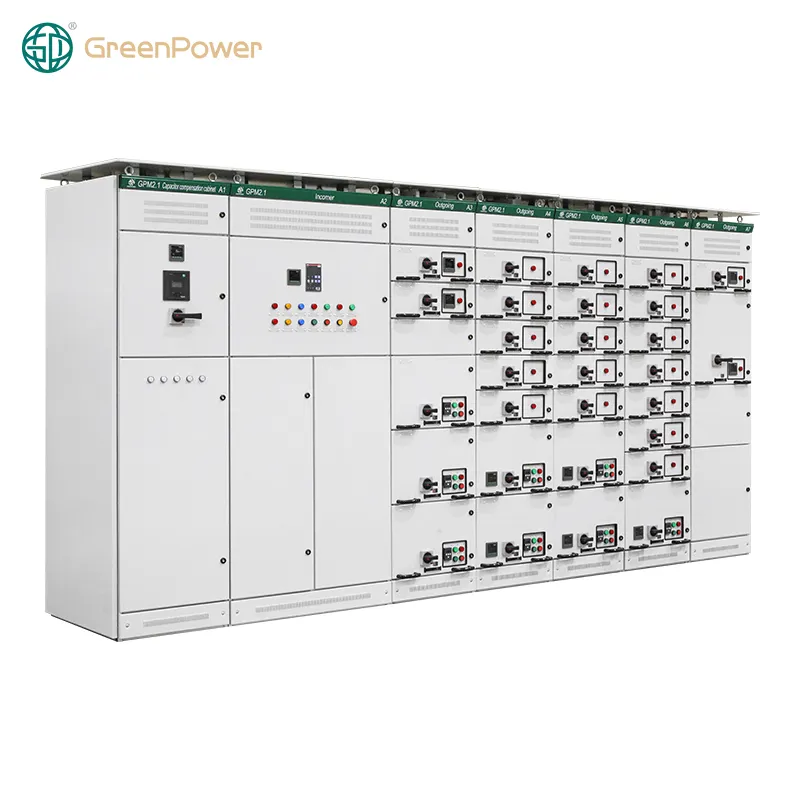
Tegelikult nõuab IEC 62271-100 vastavate, vakuumkaitselülitite (VCB) põhiseid 11 kV lülituspaneelide paigaldamiseks 35 % vähem põrandapinda kui vanad SF₆-paneelid — ilma kaitsevõime kaotamata. See tõhusus on oluline linnades asuvates alajaamades, kus maa hind kasvab pidevalt.
| Disainiparameeter | Tavaline SF₆-paneel | VCB-põhine paneel | Ruumisääst |
|---|---|---|---|
| Põrandapind (laius × sügavus) | 800 × 1500 mm | 600 × 1200 mm | 40% |
| Kõrgusvahemaa | 2200 mm | 1800 mm | 18% |
Sellised mõõtmete parandused võimaldavad tihedamat elektritootmise jaotust kaubanduskeskustes ja tööstusparkides — kus maa väärtus ületab 740 000 USA dollari akri kohta (Ponemon Institute, 2023). Paigaldusajad lühenevad ka 2–3 päeva ühiku kohta lihtsama käsitsemise ja juhtmete paigaldamise tõttu.
Vaakumlülite (VCB-d) eristab nende suur usaldusväärsus aeglaselt, mis tuleneb täielikult niiskuse, tolmuosakeste ja oksüdatsiooni mõjude eest hermeetiliselt suletud vaakumkäivitajatest. See konstruktsioon tagab tegelikult üle 100 000 operatsiooni ulatuvat hämmastavat keskmist rikevahelist ajaperioodi (MTBF). See on palju parem kui vanad ACB- ja SF6-lülid, mille puhul tuleb pidevalt jälgida vedeliku täitmist, kontaktide puhastamist või gaasitaseme kontrolli. VCB-de veelgi suuremat atraktiivsust suurendab see, et hooldus piirdub tegelikult vaid harvadel juhtudel mehaaniliste kontrollidega regulaarsete tehniliste ülevaatuste käigus. Selle tulemusena vähenevad toimimiskulud praktikas umbes 70%. Elutsükli kuluanalüüsi (LCCA) põhjal näitavad enamikku uuringuid, et kuigi VCB-de esialgsed kulud on kõrgemad, tasuvad nad end tavaliselt kolme kuni viie aastaga. Kõigile, kes töötavad kõrgpingesüsteemidega, kus seadmete eluiga on oluline, süsteemi seiskumise aeg tuleb minimeerida ja kogukulud peavad jääma kontrolli alla, on VCB-d pikemas perspektiivis finantslikult lihtsalt mõistlikum valik.
Ringpeaühikud (RMU) vaakumkaitselülititega (VCB) on tänapäeva linnade kõrgpingejaotusvõrkudes muutunud oluliseks komponendiks. Need ühikud suudavad katkestada rikkeid murdosas tsüklis ja stabiiliselt taastada võrgu töö kiiresti probleemide tekkimisel. Miks? Vaakum pakub erakordselt kiireid dielektrilise taastumise omadusi, mis takistab elektrikatkestuste levikut tihedalt asustatud piirkondades, kus elektrikoormus on suur. Hiljutised andmed Suurbritannia riiklikust võrgust (UK National Grid) alates 2020. aasta algusest näitavad midagi huvitavat – linnades, kus on paigaldatud VCB-ga varustatud RMU-d, on keskmine katkestuste kestus vähenenud märkimisväärselt 42%. Teine suur eelis on nende väike suurus, mis teeb neist ideaalsed paigaldamiseks kitsastes alajaamades, kus ruumi on vähe. Lisaks nõuavad nad peaaegu üldse hooldust ning jäävad töökorras ka äärmuslike ilmastikuolude korral, mil muud seadmed välja lülituvad. Tänapäeval hõlmavad need süsteemid rohkem kui 80% kõigist linnades toimuvatest rikkekatkestustest ning suurendavad oluliselt usaldusväärsuse näitajaid, nagu SAIDI ja SAIFI. Linnaplaneritele, kes keskenduvad vastupidavate infrastruktuuride ehitamisele, tähendab see paremat teenusekvaliteeti nii elanikele kui ka ettevõtetele.
 Külm uudised
2026-04-25
2026-04-23
2026-04-22
2026-04-21
2026-04-16
2026-04-15

Zhejiang Greenpower Electric Co., Ltd pakub kõrgetasemelisi rohelisi nutikaid lülitusseadmeid keskmise ja kõrge pinge rakendusteks. Meie arendusteadmus ja komplektne tarbimine tagavad turvalised, tõhusad ja energiasäästlikud lahendused, millele globaalsed kliendid usaldavad. Taotlege hinnapäringut juba täna.