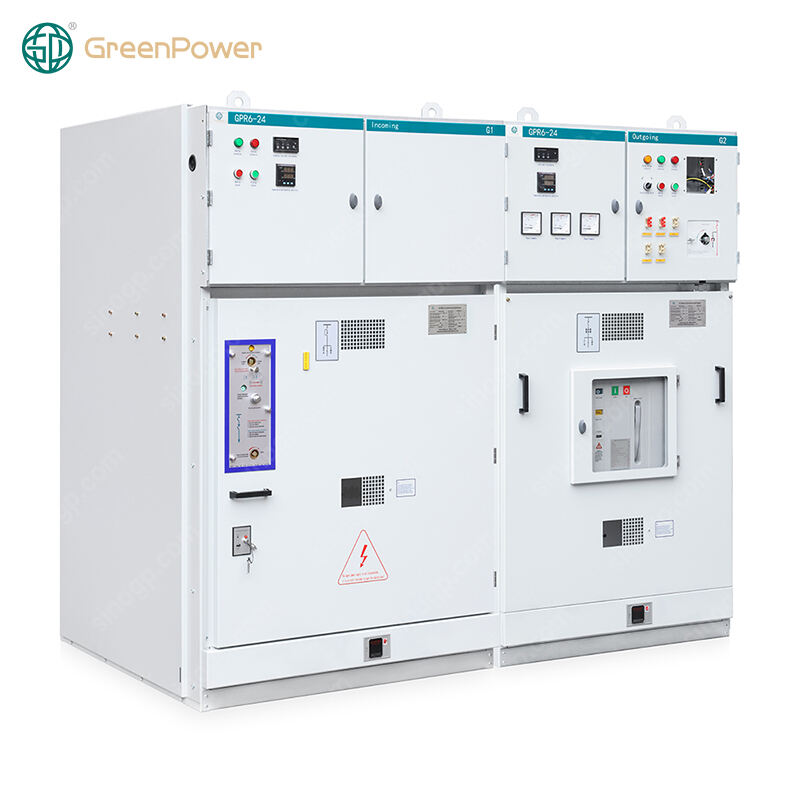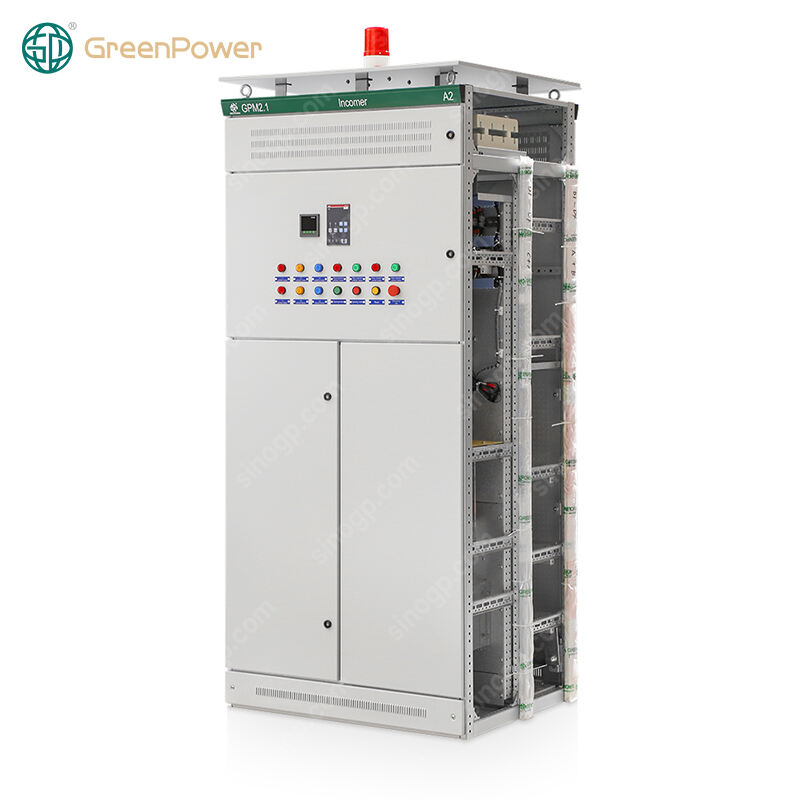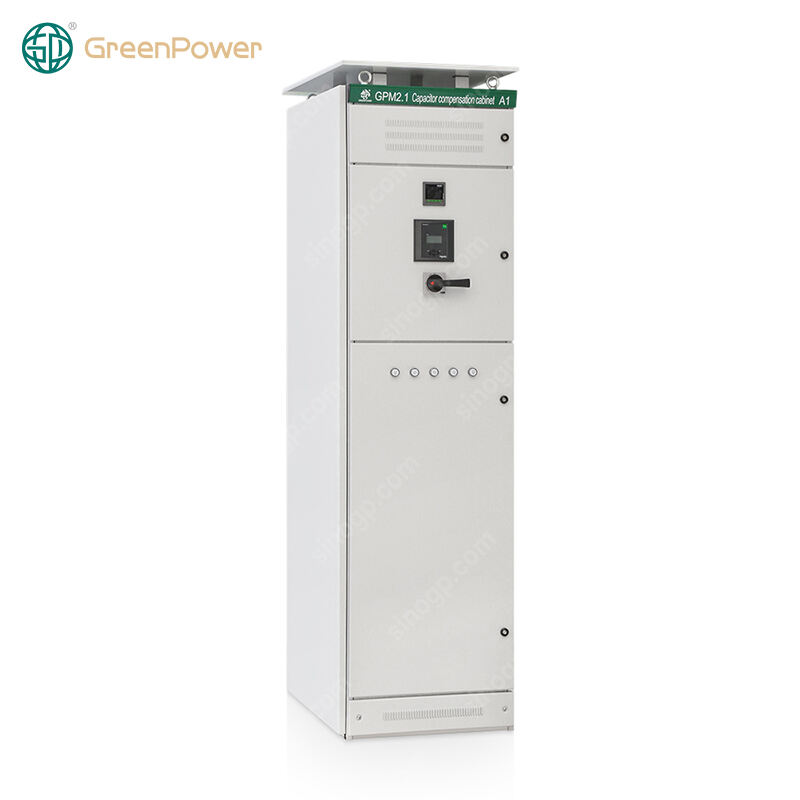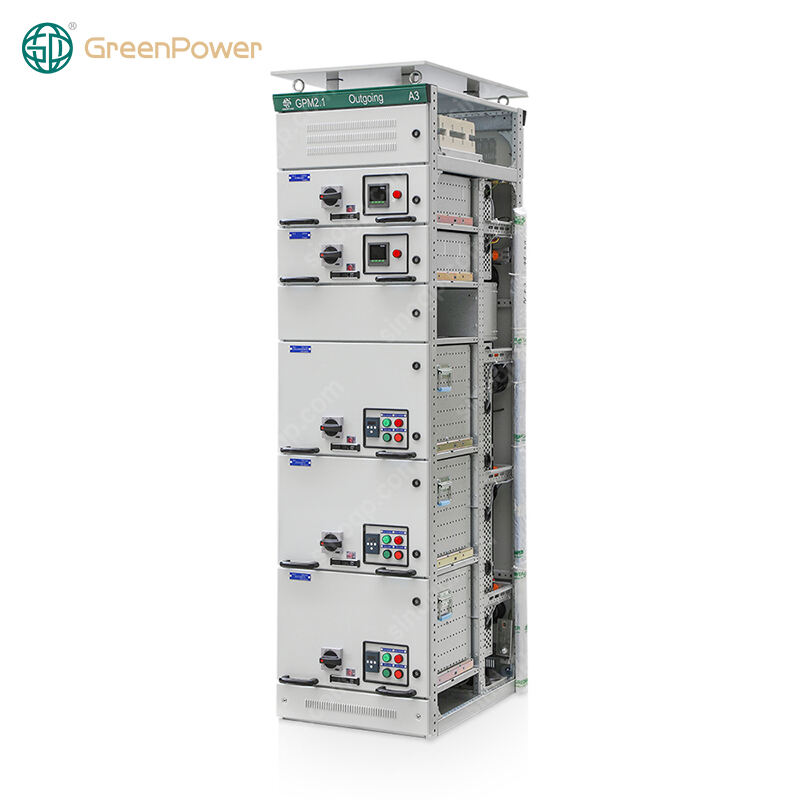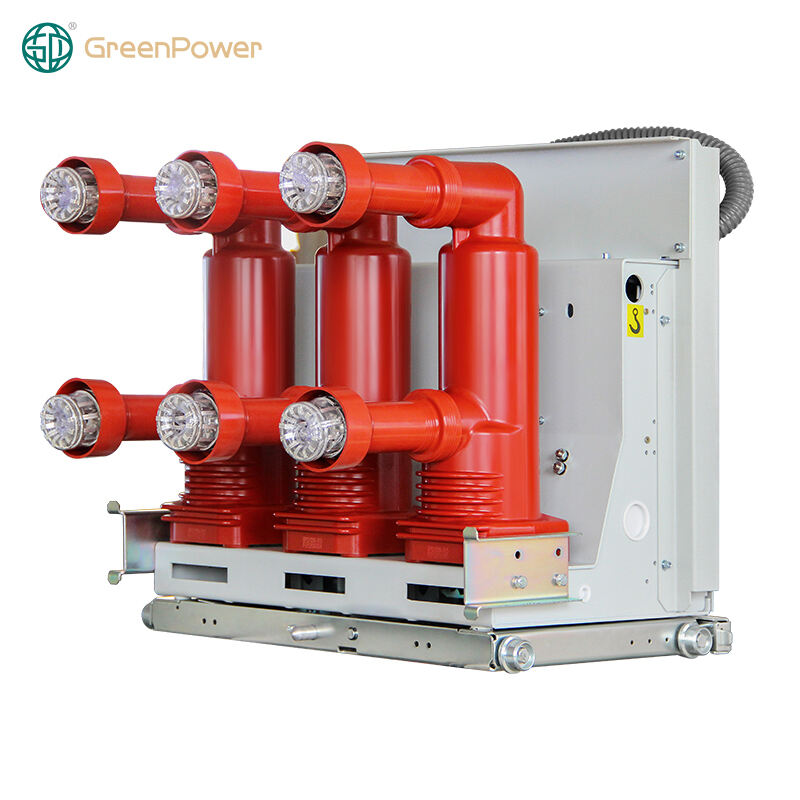
Vakuumli avtomatik uzlatgichlar, qisqacha VCBlar, odatda tok nolga yetganda bir yoki ikki marta ichida elektr yoyini tezda oʻchirish orqali ishlaydi; bu odatda oʻn millisekunddan kam vaqt davom etadi. Vakuumda ionlanadigan hech narsa yoʻq, shuning uchun tok nolga tushganda yoy qaytadan hosil boʻlishi deyarli imkonsiz boʻladi. Bu bizga haqiqiy nol tok kesishini taʼminlaydi. Vakuumning elektr tokini toʻxtatish qobiliyati ajoyib tezlikda — taxminan 10 dan 20 kV/ga mikrosekundda tiklanadi. Bu oddiy havo yoki hatto geksafftorli kumush gaziga nisbatan ancha yuqori koʻrsatkichdir. Ushbu uzlatgichlardagi kontaktlar maxsus materiallardan, masalan, mis-xrom qotishmalaridan tayyorlanadi. Bu materiallar yoy paytida harakatlanayotgan elektronlarni nazorat qilish va metall bugʻini cheklovchi vazifani bajaradi, shu sababli kontaktlar tezroq ishdan chiqmaydi. Barcha ushbu xususiyatlarga ega boʻlganligi sababli zamonaviy vakuumli avtomatik uzlatgichlar 100 000 dan ortiq operatsiyadan keyin ham hech qanday texnik xizmat koʻrsatish talab qilmasdan ishlashi mumkin. Bu ularni ishonchlilik mutlaqo muhim boʻlgan yuqori kuchlanishli tizimlarda toʻsatdan keladigan kuchlanish sakrashlari va nosozliklarni hal qilish uchun juda qimmatli qiladi.
VCBlar vakuumning atrof-muhitga bogʻliq boʻlmasligi tufayli oʻrta kuchlanishli qoʻllanmalarda yuqori darajadagi dielektrik chidamlilikni taʼminlaydi — bu SF6 ga nisbatan bosimga, havoga nisbatan esa atmosferaga bogʻliq boʻlgan xususiyatdan farqli ravishda. Bu barqarorlik 10–35 kV da ishlaydigan transformatorlik podstansiyalarida va sanoat korxonalarida kompakt, yuqori ishonchlilikka ega himoya vositalarini taʼminlaydi.
| Parametr | VCB | Acb | SF6 uzgich |
|---|---|---|---|
| Diyelektrik kuch | ~40 kV/sm (barqaror) | ~3 kV/sm (oʻzgaruvchan) | ~8 kV/sm (bosimga bogʻliq) |
| Yoy oʻchirish tezligi | <10 ms | 60–100 ms | 15–30 ms |
| Texnik xizmat ko'rsatish ehtiyoji | Yoʻq (germetik dizayn) | Yillik tekshiruv | Yillik gaz monitoringi |
| Ekologik risk | Nol emisiyasi | Havoning ifloslanishi | SF6 oqib chiqishi (GWP=23,500) |
Uchun Yuqori kuchlanish muhandisligi hisobotlari (2024) , vakuumli tizimli qurilmalar (VCB) 35 kV da 98% li avariya bartaraf etish muvaffaqiyat darajasiga erishadi — bu ko'rsatkich ACB lardan 32% va SF6 qurilmalardan 17% yuqori ishonchlilikni namoyish etadi.
Vakuumning dielektrik mustahkamligi ajoyib darajada — taxminan 40 kV/santimetr. Bu oddiy havoga nisbatan taxminan 13 marta, SF6 gaziga nisbatan esa taxminan besh marta yuqori. Bu ajoyib xususiyat tufayli vakuumli avtomatik uzgartirgichlar (VUZ) kontaktlari ancha yaqinroq joylashtirilishi mumkin bo‘lib, bu haqida o‘tgan yili IEEE Power Engineering Society tomonidan e’lon qilingan tadqiqotda aytilganidek, anʼanaviy avtomatik uzgartirgichlar (ACB) yoki SF6 modellarga nisbatan shunday qilish mumkin. Vakuumli avtomatik uzgartirgichlar 1 kilovoltlik past kuchlanishdan 38 kilovoltlik yuqori kuchlanishgacha bo‘lgan keng kuchlanish diapazonida yaxshi ishlaydi, lekin hamma paytda nisbatan maydonda qoladi. Bu afzalliklar materiallarga bo‘lgan xarajatlarni kamaytirishga va o‘rnatish jarayonida juda kerakli moslashuvchanlikni ta’minlashga olib keladi. Eski elektr tizimlarini yangilash bilan shug‘ullanadigan muhandislarga bu kompakt o‘lchamlar mavjud inshootlarga qanday jihozlarni joylashtirish mumkinligini cheklab turadigan tor joylarda katta ahamiyat kasb etadi.
Amaliyotda IEC 62271-100 standartiga mos VCB asosidagi 11 kV qo‘shimcha uskunalar panelari anʼanaviy SF6 panelariga nisbatan 35% kam yerni egallaydi — bu esa himoya qobiliyatini pasaytirmaydi. Bu samaradorlik yer narxlari doimiy o‘sib borayotgan shahodagi transformatorlar stansiyalarida juda muhim.
| Loyihalash parametri | Anʼanaviy SF6 paneli | VCB asosidagi panel | Joy tejash |
|---|---|---|---|
| Yer maydoni (K×E) | 800×1500 mm | 600×1200 mm | 40% |
| Bo‘shliq balandligi | 2200 мм | 1800 mm | 18% |
Bunday o'lchamlardagi yutuqlar yer qiymatlari $740 ming/akr dan oshgan (Ponemon Institut, 2023) tijorat markazlari va sanoat parklarida yuqori zichlikdagi elektr ta'minoti uchun imkoniyat yaratadi. Shuningdek, oddiyroq ko'tarish va ulanish tufayli har bir birligining o'rnatilish muddati 2–3 kun qisqaradi.
Vakuumli avtomatik uzlatgichlar (VCB) namlik, chang zarralari va oksidlanish ta'sirlariga nisbatan to'liq germetik bo'lgan vakuumli uzlatgichlar tufayli vaqt o'tishi bilan ajoyib ishonchlilikka ega. Shu sababli ularning nosozliklar orasidagi o'rtacha vaqt (MTBF) 100 000 dan ortiq operatsiyaga yetadi. Bu esa suyuqlikni to'ldirish, kontaktlarni tozalash yoki gaz darajasini tekshirish kabi doimiy e'tibor talab qiladigan eski avtomatik uzlatgichlar (ACB) va SF6 uzlatgichlarga qaraganda ancha yaxshi ko'rsatkichdir. VCB-larga qo'shimcha afzallik shundaki, ularning texnik xizmat ko'rsatish asosan muntazam tekshiruvlar paytida ayrim mexanik tekshiruvlardan iborat. Buning natijasida amaliyot xarajatlari taxminan 70% ga kamayadi. Hayot davri xarajatlari tahlili (LCCA) nuqtai nazaridan ko'rinib turibdiki, ko'pchilik tadqiqotlar VCB-larning boshlang'ich narxi yuqori bo'lsada, ular odatda uchdan besh yil ichida o'zini qoplaydi. Yuqori kuchlanishli tizimlar bilan ishlaydigan, uskunalar umr ko'rish muddati muhim ahamiyatga ega, tizimning ishdan chiqish vaqti minimal darajada saqlanishi va umumiy xarajatlar nazorat ostida saqlanishi kerak bo'lgan hollarda VCB-lar uzoq muddatli jihatdan moliyaviy jihatdan maqsadga muvofiqroq echimdir.
Vakuumli avtomatik qurilmalar (VCB) bilan jihozlangan halqa asosiy birliklar (RMU) zamonaviy shahodagi yuqori kuchlanishli taqsimot tarmoqlarida muhim komponentlarga aylanib ketdi. Ushbu birliklar nosozliklarni bir necha sikllar davomida to'xtatib, muammolar sodir bo'lganda tarmoqlarni tezda barqarorlashtirish imkonini beradi. Sababi nima? Vakuum juda tez dielektrik tiklanish xususiyatlariga ega bo'lib, bu esa elektr yuklari yuqori bo'lgan zich joylarda elektr uzilishlarining tarqalishini to'xtatadi. 2020-yil boshidan beri Buyuk Britaniyaning Milliy tarmog'i ma'lumotlariga ko'ra, ushbu VCB-li RMU-lar o'rnatilgan shahodlarda uzilishlar davomiyligi o'rtacha 42% pasaygan. Boshqa katta afzallik — ularning maydoni kichik bo'lib, maydoni cheklangan transformator poydevorlariga o'rnatish uchun ayniqsa mos keladi. Shuningdek, ular deyarli hech qanday texnik xizmat talab qilmasligi sababli, boshqa jihozlarni ishdan chiqaradigan qattiq ob-havo sharoitida ham ishlashni davom ettiradi. Hozirda shahodagi barcha nosozliklarning 80% dan ortig'i shu tizimlar tomonidan bartaraf etilmoqda; bu esa SAIDI va SAIFI kabi muhim ishonchlilik ko'rsatkichlarini sezilarli darajada oshiradi. Barqaror infratuzilma qurishga intilayotgan shahod rejasi mutaxassislari uchun bu aholi va korxonalar uchun xizmat sifatini yaxshilashni anglatadi.
 Issiq yangiliklar
2026-04-25
2026-04-23
2026-04-22
2026-04-21
2026-04-16
2026-04-15

Zhejiang Greenpower Electric Co., Ltd o'rtacha va yuqori kuchlanish sohasida ishlatiladigan yuqori darajadagi yashil aqlli o'chirgichlarni taqdim etadi. Bizning ilmiy-tadqiqot ishlarimiz va bir pog'onali sotib olish xavfsiz, samarali, energiya tejovchi yechimlarni ta'minlaydi va xalqaro mijozlar tomonidan ishonch bilan qo'llaniladi. Hoziroq taklif so'rang.