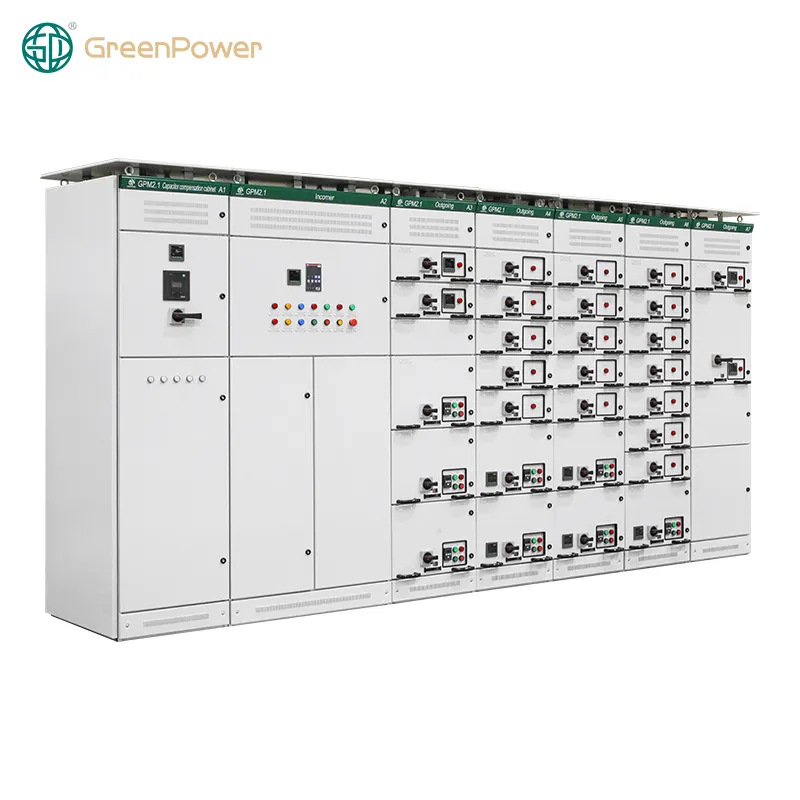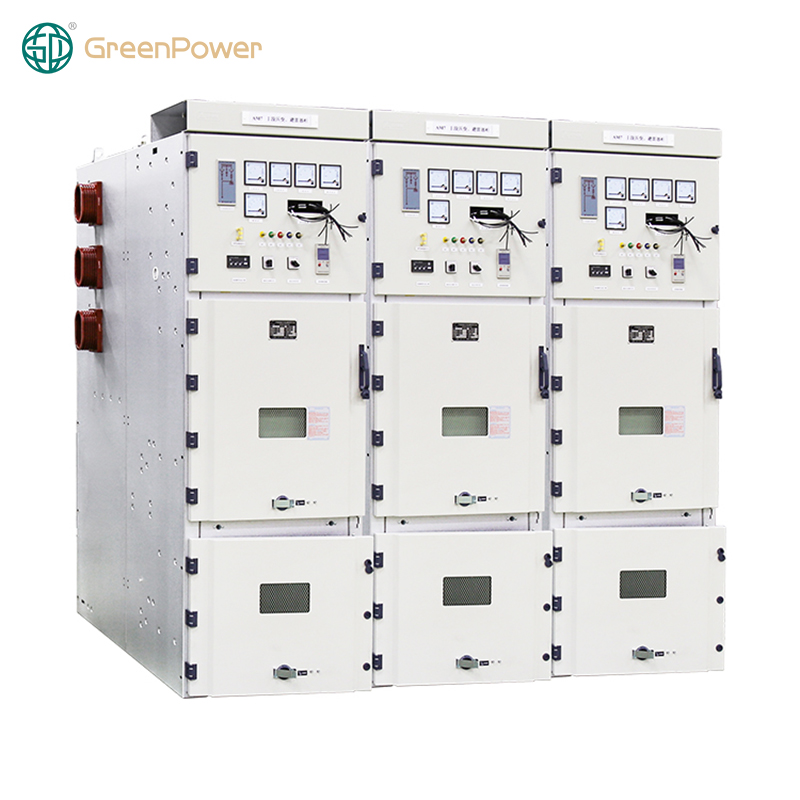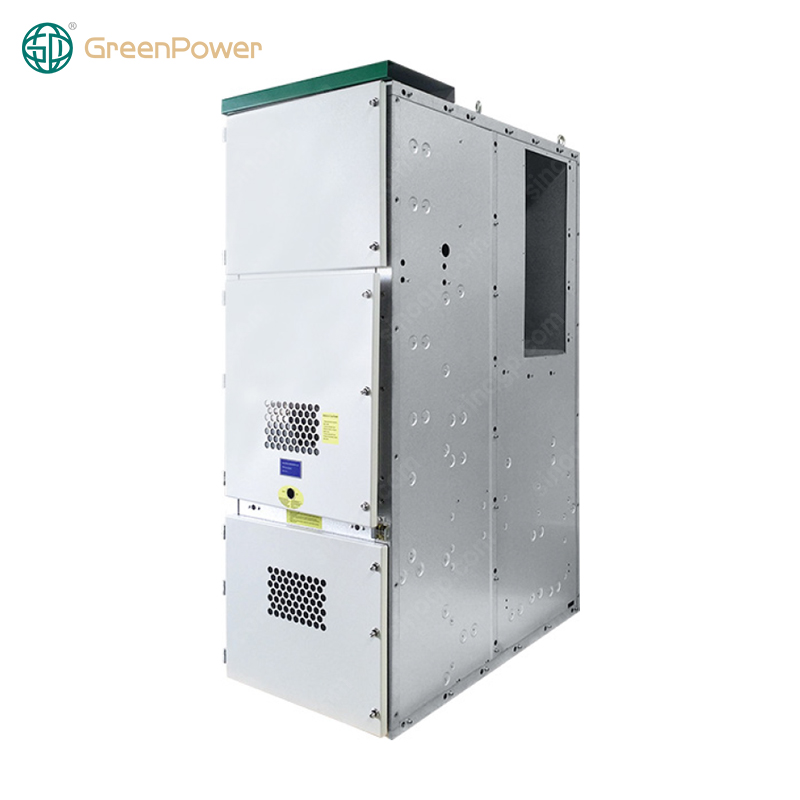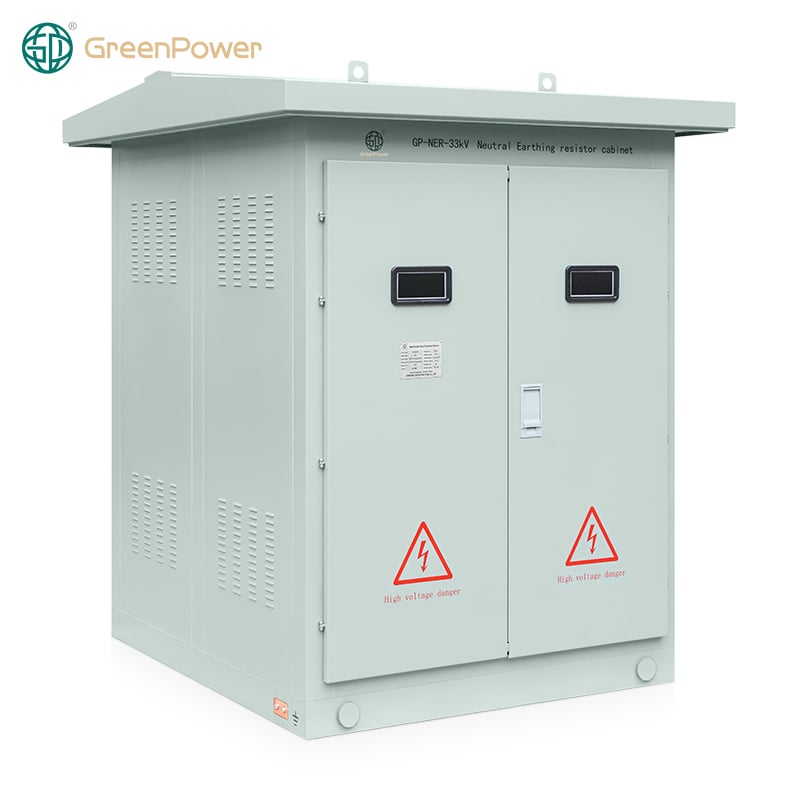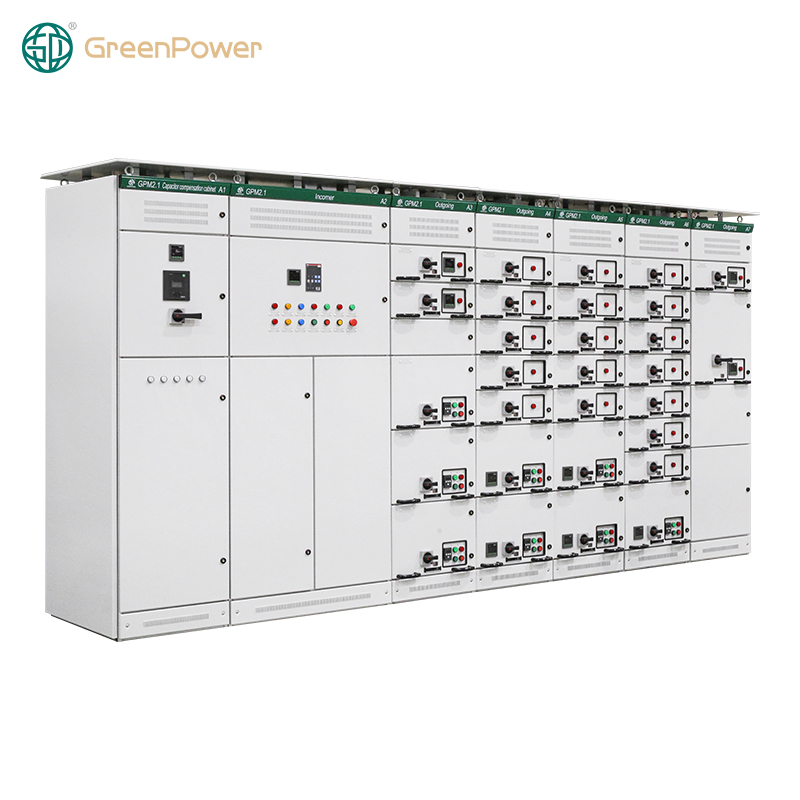
Busbars are basically stiff conductors made from copper or aluminum strips, either flat or hollow in shape. They serve as central hubs for distributing large amounts of electricity throughout switchboards, control panels, and substation equipment. When compared to traditional cable setups, busbars replace dozens of individual wires with just one main conductor path. This setup helps reduce voltage loss across circuits while also cutting down on connection points where problems might occur. The space savings can be pretty substantial too, often reducing installation area requirements by around 35 to 40 percent. With their minimal reactance characteristics, these components handle faults better and make routine inspections much easier for technicians. That's why most modern electrical systems rely heavily on busbar technology as their primary means of managing power flow.
What materials we choose makes all the difference when it comes to how well something performs, what it costs, and whether it fits into existing systems. According to standard IEC 60228, copper conducts electricity about 56 percent better than aluminum while also standing up better against corrosion. That's why many engineers prefer copper in tight spaces where reliability matters most, such as inside busy data centers. On the flip side, aluminum saves around 30% on material costs and weighs roughly 60% less than copper, which explains why it's often used in big installations where budget constraints and weight limitations play a major role. There's a catch though. To carry the same amount of current as copper wiring, aluminum needs about twice the thickness, taking up more room in already crowded electrical panels. So the decision really depends on what matters most for each particular project. Copper wins out when space isn't an issue and reliability is critical. Aluminum becomes the go-to option when money is tight, weight is a concern, and there happens to be enough physical space available.
| Comparison Factor | Copper Busbar | Aluminum Busbar |
|---|---|---|
| Conductivity | 56% higher (IEC 60228) | Lower baseline |
| Weight | Higher density | 60% lighter |
| Required Cross-Section | Compact | 60% larger for equal ampacity |
| Optimal Use Case | Space-constrained critical systems | Large-scale cost-sensitive projects |
Busbars can reach over 99% system efficiency thanks to their design features that work together really well. First, they have this rectangular shape that helps fight against something called the skin effect, which basically means electricity flows more evenly throughout the conductor compared to round wires. Then there's the material choice - most busbars are made from copper which has excellent conductivity at 100% IACS rating, or sometimes aluminum at around 61% IACS. These materials help cut down on resistance losses when electricity moves through them. When looking at similar length cables versus properly designed busbars, the difference in DC resistance can be as much as 40%. And here's why that matters: since electrical losses depend on the square of the current flowing through, even small improvements in reducing resistance lead to big gains in energy savings over time. This not only reduces those annoying voltage drops that build up at connection points but also keeps the power supply steady and reliable for whatever equipment needs it.
IEEE Standard 80-2013 confirms busbars deliver 30–50% lower resistive losses than parallel cable systems carrying identical loads. This advantage arises from:
In a documented benchmark, 400A aluminum busbars incurred 0.68W/ft in losses versus 1.1W/ft for equivalent cables—a 38% reduction. Over a 10-year lifespan, a 100-ft industrial installation avoids approximately $5,200 in wasted energy (at $0.12/kWh), validating busbars as the empirically proven solution for mission-critical power distribution.
Busbars tend to handle heat much better compared to those bundles of cables because of how they're constructed. Their design gives them a bigger surface area relative to volume, which means more contact with surrounding air. This setup allows for pretty good passive cooling through natural convection alone, no need for fans or any forced air movement. When running continuously under load, busbars stay cooler overall, which helps keep their insulation intact and maintains performance over time. Many electrical engineers will tell you this makes all the difference in systems where temperature control matters most.
The rated ampacity numbers are based on standard test conditions, usually around 40 degrees Celsius with good air circulation all around. But when we actually install these components in real situations, things get complicated fast. Most industry standards suggest cutting back on capacity by about 15% for every 10 degree increase beyond those standard temps. When equipment gets put inside enclosures instead of open spaces, the reduction jumps to somewhere between 20 and 30 percent because the air can't flow properly anymore. And if the enclosure isn't metal or sits near other heat sources, even more adjustment becomes necessary. Just looking at material specifications isn't enough either. We need proper thermal testing in actual operating environments to stop insulation from breaking down over time and maintain safe operation during those peak load periods everyone worries about.
Beyond material and geometry, intelligent topology unlocks transformative system-level gains. Ring main and sectionalized busbar configurations enhance resilience and efficiency through strategic redundancy and segmentation:
These configurations outperform radial designs not only in reliability but in measurable efficiency:
| Configuration Type | Primary Efficiency Mechanism | Operational Impact |
|---|---|---|
| Ring Main | Closed-loop redundancy | <2% voltage drop during faults (IEEE Gold Book) |
| Sectionalized | Segmented isolation zones | 40% faster fault response |
Modular design also cuts maintenance costs by 30% and supports sustained operational efficiency above 98.5%—proving that how busbars are configured is as consequential as what they're made of.
 Hot News
2026-04-25
2026-04-23
2026-04-22
2026-04-21
2026-04-16
2026-04-15

Zhejiang Greenpower Electric Co., Ltd provides high-end green intelligent switchgears for mid-to-high voltage applications. Our R&D expertise and one-stop procurement deliver safe, efficient, energy-saving solutions trusted by global clients. Request a quote today.