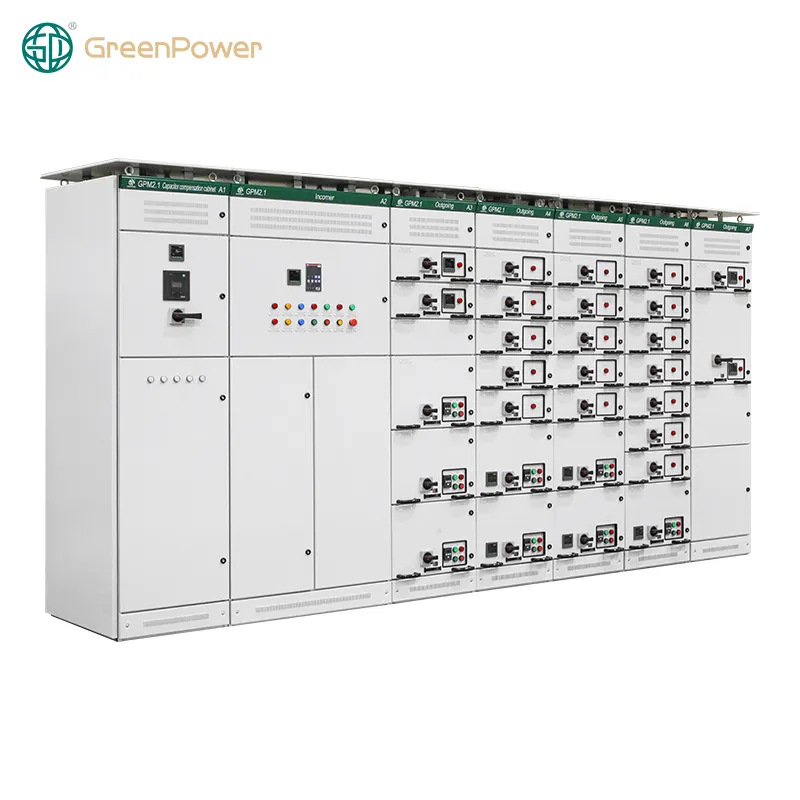
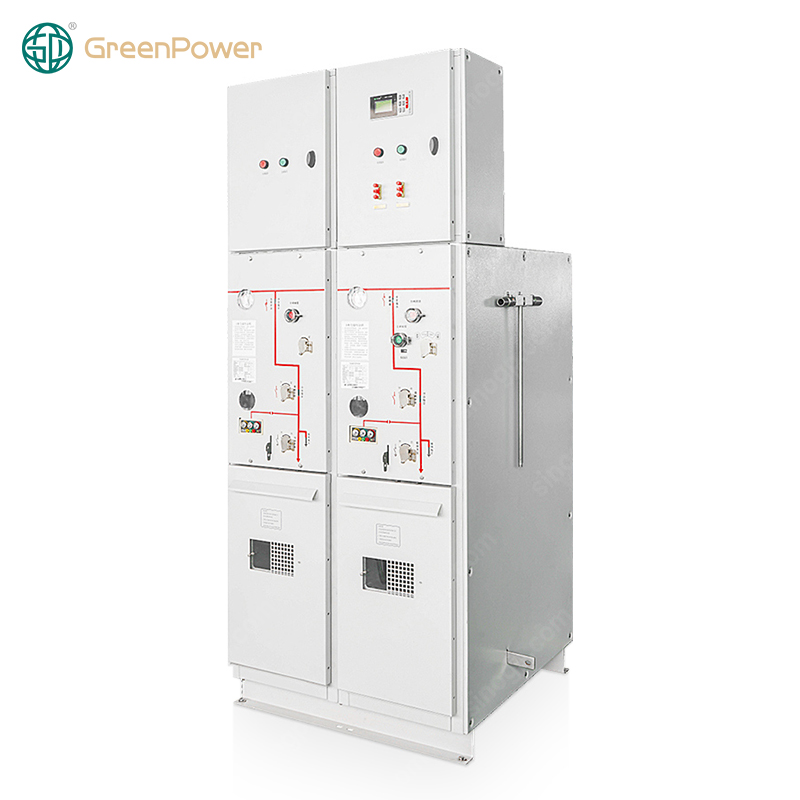
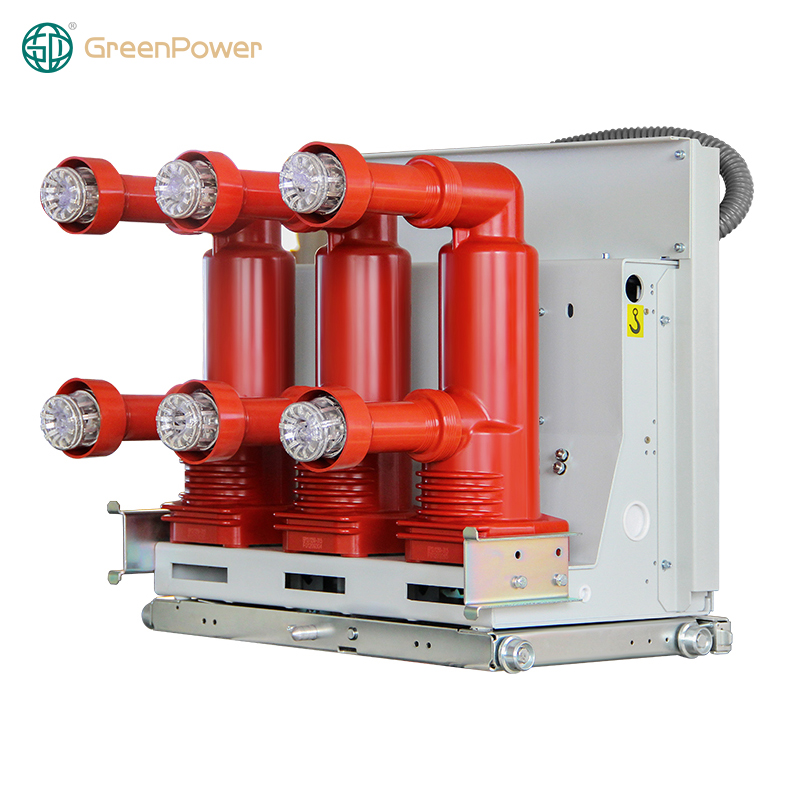
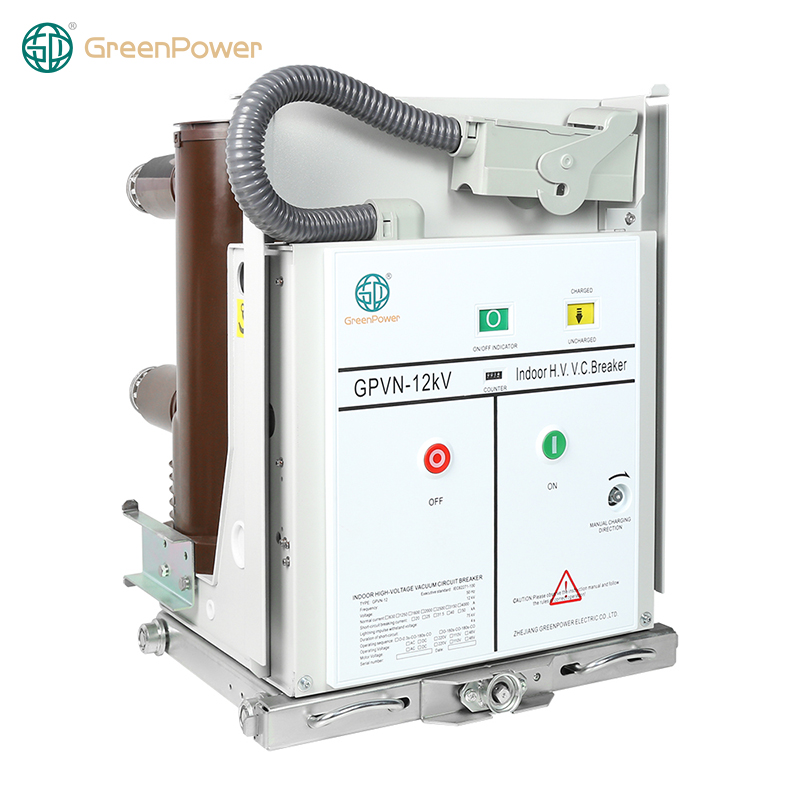
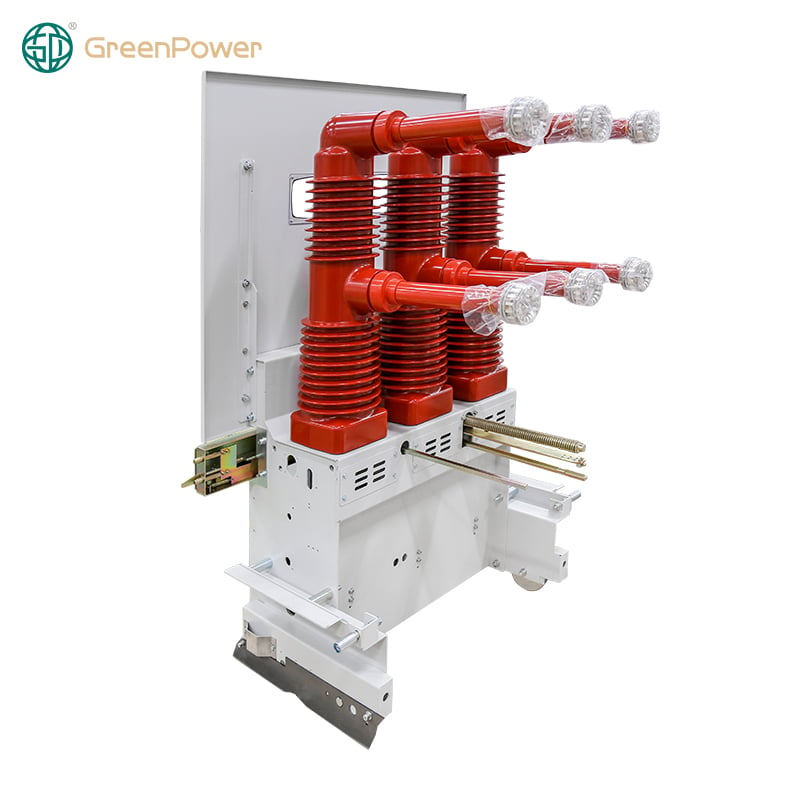
In power systems, safety is always the top priority, and the vacuum circuit breaker chassis plays a crucial role in safeguarding the safe operation of electrical equipment. As a core component that supports and houses the vacuum circuit breaker, this chassis isn’t just a simple structural frame—it integrates multiple safety designs and functional features to prevent electrical hazards and ensure stable power supply. Whether in industrial plants, power substations, or commercial buildings, a high-quality vacuum circuit breaker chassis provides reliable protection for the entire power system. Let’s explore the key ways it ensures safe operation.
Stable Structural Design Prevents Mechanical Failures
The foundation of a vacuum circuit breaker chassis’s safety lies in its stable and robust structural design. Made of high-strength steel plates, the chassis undergoes precision processing and welding to ensure excellent mechanical strength and rigidity. This structure can withstand the impact force generated during the circuit breaker’s opening and closing operations, avoiding deformation or displacement that could lead to mechanical failures. The internal installation positions and fixing points are accurately calibrated to keep the vacuum circuit breaker in the correct working posture at all times. Additionally, the chassis is designed with anti-vibration and anti-loosening features—key components are secured with locking devices to prevent loosening due to long-term operation or external vibrations. This stable structural design eliminates potential risks caused by mechanical issues, laying a solid foundation for safe operation.
Reliable Insulation Protection Avoids Electrical Leakage
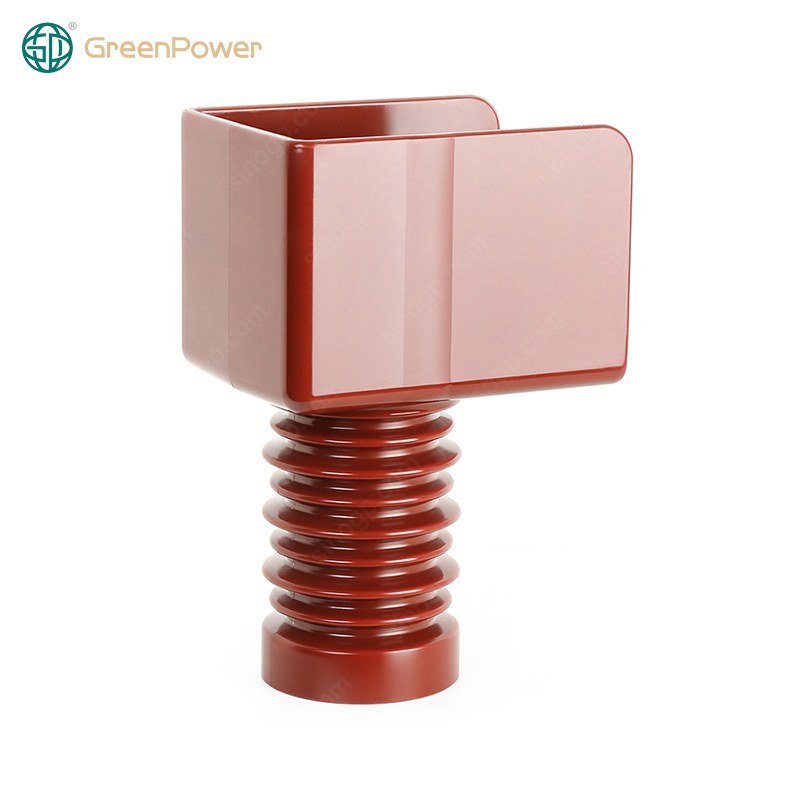
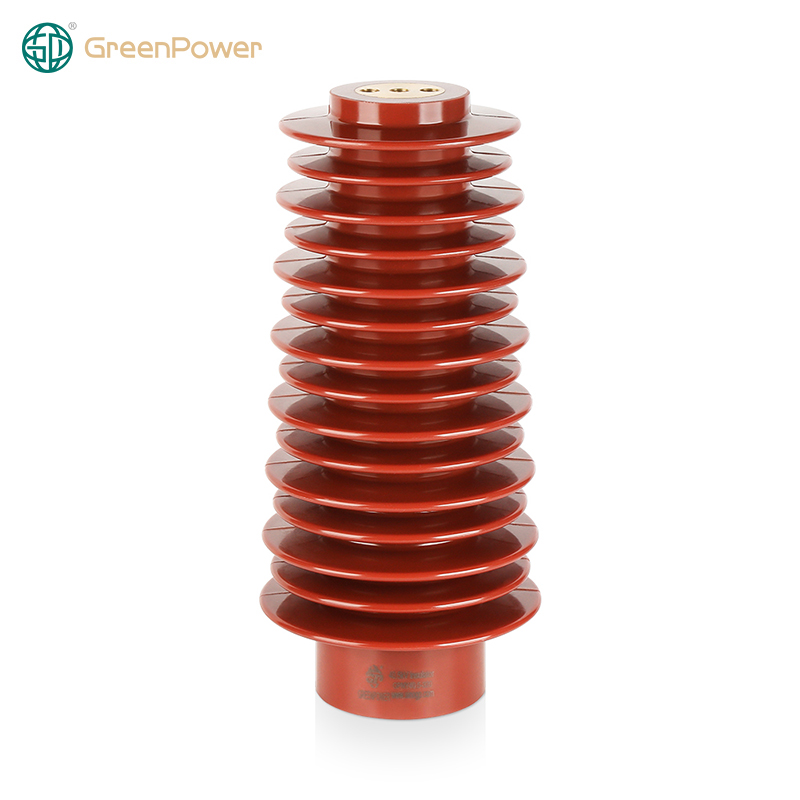
Electrical insulation is critical for preventing short circuits and electric shocks, and the vacuum circuit breaker chassis is equipped with comprehensive insulation protection measures. The internal surfaces of the chassis are coated with high-quality insulation materials that resist high voltage and corrosion, preventing current leakage between metal components. Insulation partitions are installed between different electrical zones to isolate live parts and avoid arc flash or short circuits caused by accidental contact. The chassis also features strict dust and moisture protection—sealed structures prevent dust, water vapor, and other contaminants from entering, which could degrade insulation performance. These insulation designs ensure that even in harsh working environments, the vacuum circuit breaker chassis maintains good insulation, effectively avoiding electrical hazards such as leakage and short circuits.
Interlocking Mechanisms Prevent Misoperation
Misoperation is a major cause of electrical accidents, and the vacuum circuit breaker chassis is equipped with multiple interlocking mechanisms to eliminate this risk. The chassis integrates mechanical interlocks between the circuit breaker’s opening/closing state and the chassis’s drawer position. For example, the circuit breaker can only be closed when the chassis is fully pushed into the working position, and it cannot be pulled out when in the closed state. This prevents accidental opening or closing during maintenance or adjustment. Some chassis also have electrical interlocks that connect to the power system’s control circuit, cutting off the control power if the chassis is not in the correct position. These interlocking mechanisms force operators to follow standard operating procedures, effectively preventing human-induced safety accidents.
Heat Dissipation System Maintains Stable Operating Temperature
Excessive heat buildup in electrical equipment can cause component aging or even burnout, posing serious safety risks. The vacuum circuit breaker chassis is designed with an efficient heat dissipation system to keep the operating temperature within a safe range. The chassis’s structure features reasonable ventilation channels that allow air to circulate freely, carrying away heat generated by the circuit breaker during operation. Some high-power models are equipped with heat dissipation fins or small fans to enhance heat dissipation efficiency. The materials used in the chassis also have good thermal conductivity, helping to transfer heat quickly to the external environment. By effectively controlling temperature rise, the heat dissipation system prevents overheating-related failures, ensuring the vacuum circuit breaker chassis and the entire power system operate stably for a long time.
Durable Materials and Corrosion Resistance Extend Service Life
Long-term reliability is an important aspect of safety, and the vacuum circuit breaker chassis is made of durable, corrosion-resistant materials to ensure long-term safe operation. The outer surface of the chassis undergoes anti-rust treatments such as galvanizing or painting, which resist oxidation and corrosion from moisture, dust, and chemical substances in the environment. Internal structural components are made of wear-resistant materials that can withstand repeated mechanical movements during opening and closing operations. The chassis’s design also considers ease of maintenance—with accessible inspection ports and detachable panels, operators can perform regular checks and maintenance without disassembling the entire structure. This combination of durable materials and user-friendly maintenance design ensures the vacuum circuit breaker chassis maintains its safety performance over years of use, reducing the risk of failures caused by aging or damage.
In conclusion, a vacuum circuit breaker chassis ensures safe operation through its stable structural design, reliable insulation protection, interlocking mechanisms against misoperation, efficient heat dissipation, and durable corrosion-resistant materials. Each design element addresses potential safety hazards in power system operation, working together to provide comprehensive protection. As an essential component of modern power systems, the vacuum circuit breaker chassis not only guarantees the safe and stable operation of electrical equipment but also safeguards the safety of operators and property. Investing in high-quality vacuum circuit breaker chassis is a crucial measure for improving the safety and reliability of power systems, whether in industrial production or daily electricity use.

 Hot News