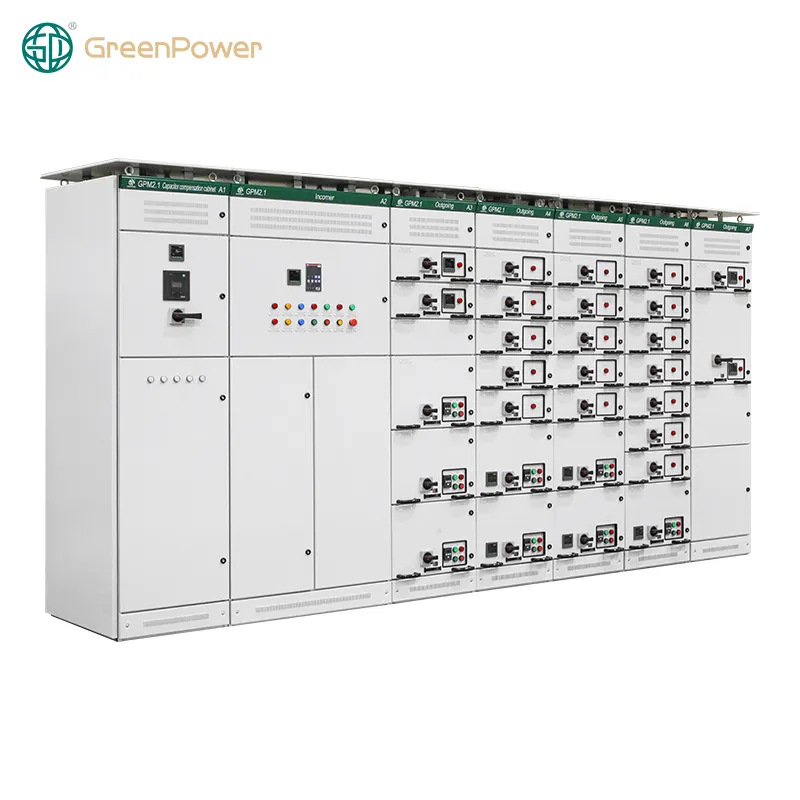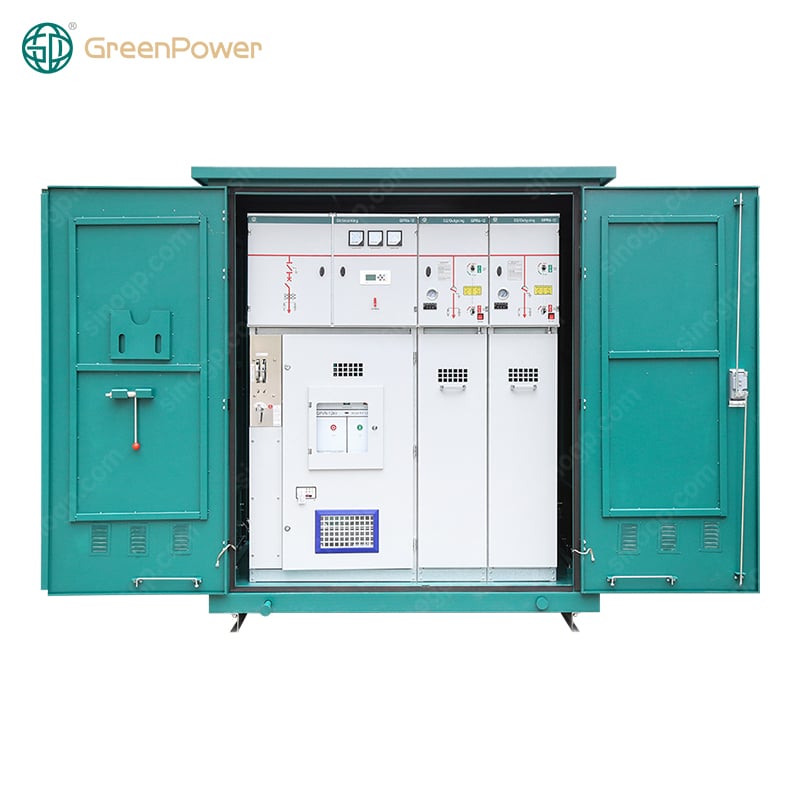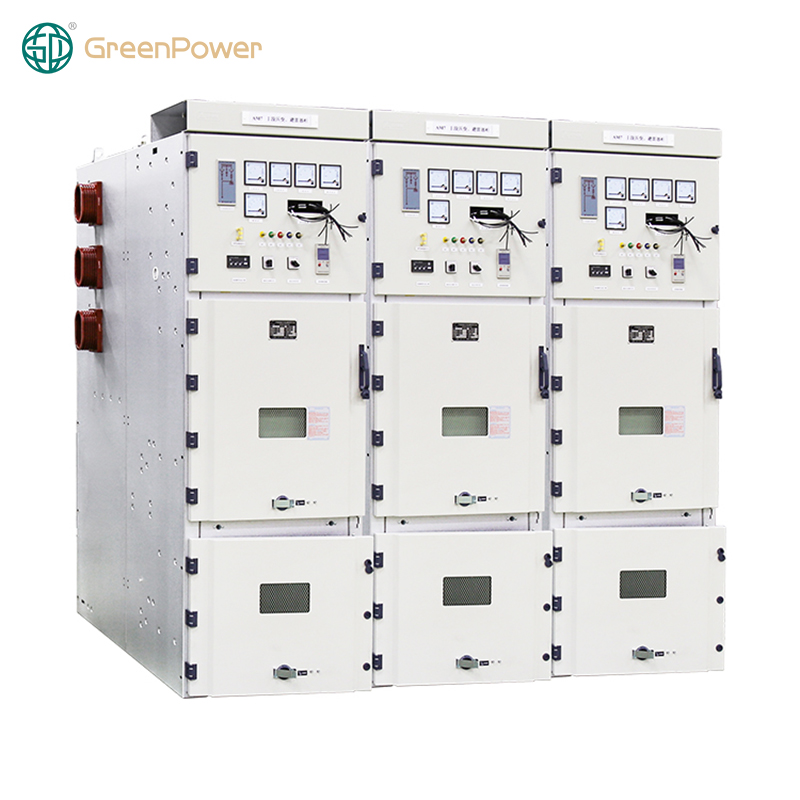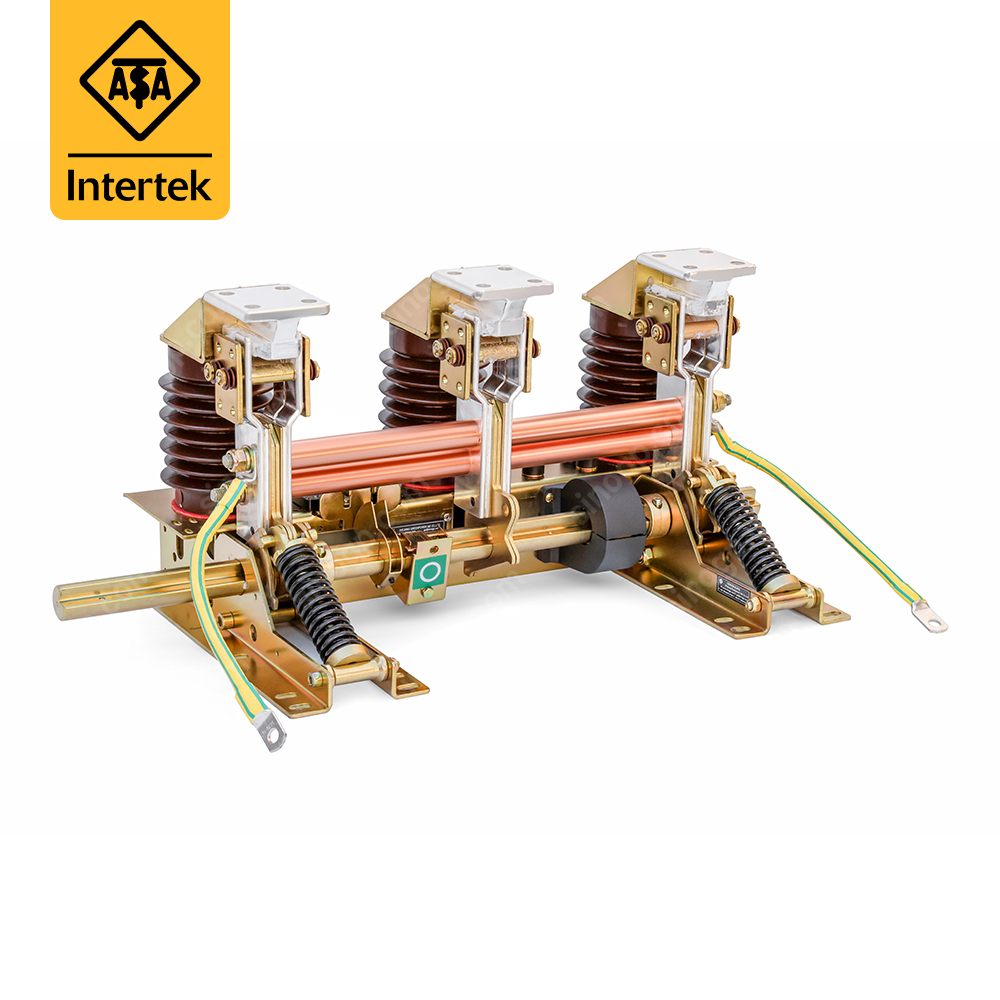
As more people move into cities around the world, there's been a growing need for electrical distribution systems that take up less space. Switchgear equipment in urban areas, data centers, and factories needs to work just as well but fit into much smaller spaces these days. The problem is obvious when looking at property prices and limited room availability. Compact switchgear designs are becoming a necessity rather than a luxury option. Some modern systems actually cut down on required space by somewhere between 40% to 60% compared with older air insulated models. This kind of space saving makes it possible to rearrange facilities more easily and upgrade infrastructure without tearing everything apart, especially important in places where every square meter counts.
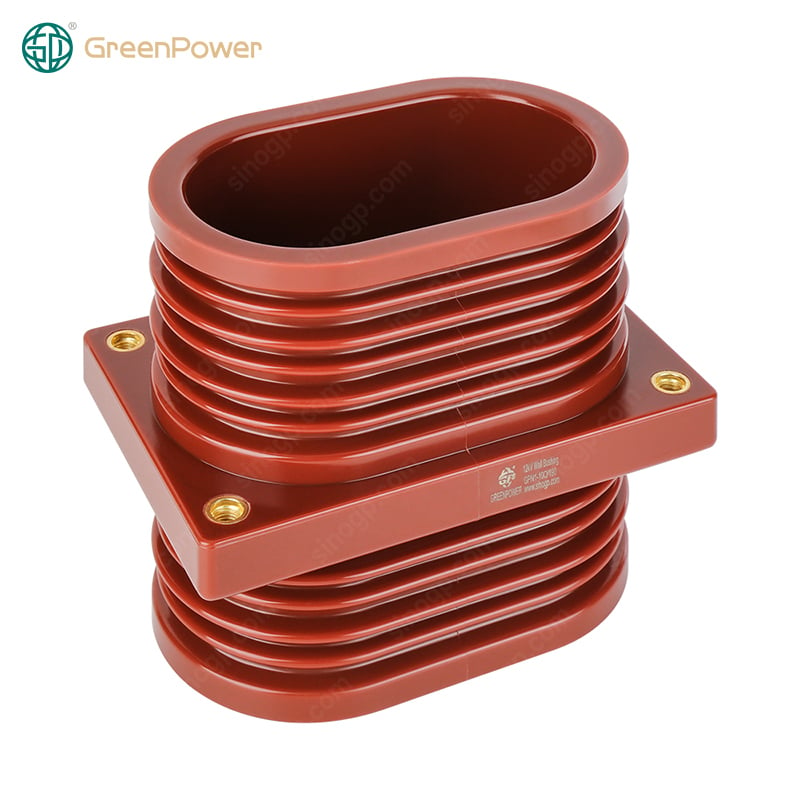
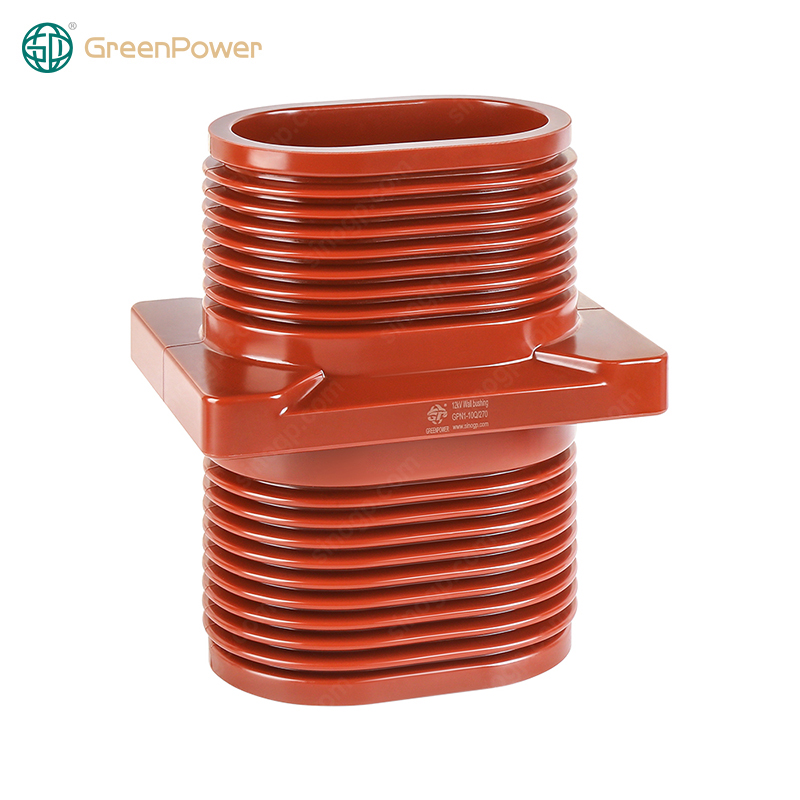
In embedded pole construction, manufacturers actually build the vacuum interrupter along with other critical parts right into a solid block of epoxy resin. This approach gets rid of those big gaps needed for air insulation that traditional designs require. When they swap out air for this solid material between phases, the clearances shrink quite a bit without sacrificing safety standards or how well it works. What we end up with is something much more compact and durable than before, which makes installing these units faster and less error prone. Plus, the modular nature really helps when upgrading old substations. Many older facilities have tight spaces that made previous upgrade attempts impossible, but now there are options available even in these constrained environments.
Recently, a substation in the heart of the city got upgraded when old air insulated switchgear was swapped out for these new embedded pole vacuum circuit breakers, or VCBs as they're called. What's interesting is that this change cut down the space needed by almost half - around 55% less footprint actually - while at the same time boosting capacity by 30%. The real advantage though comes from how small everything now fits into the current building framework, leaving plenty of room for expansions later on something that would have been impossible with traditional gear still in place. Plus, because these units are built with sealed epoxy, they stand up much better against all sorts of city grime, moisture problems, and dust accumulation. This makes them last longer even in tough conditions where regular equipment tends to fail sooner.
When manufacturers reduce the space between components in compact switchgear designs, they actually create bigger problems down the road. The main issue? Electrical breakdowns between phases become much more likely. Standard air insulated systems just aren't cut out for harsh environments. They get messed up by dirt and moisture that gradually destroy their ability to insulate properly. That's where epoxy encapsulation comes in handy. By swapping those problematic air gaps for solid insulation material, engineers can stop surface tracking issues dead in their tracks. Plus, these systems hold up way better against environmental wear and tear. Switching from surface level protection to volume insulation makes all the difference when equipment has to operate reliably in places where pollution levels fluctuate or humidity is constantly high.
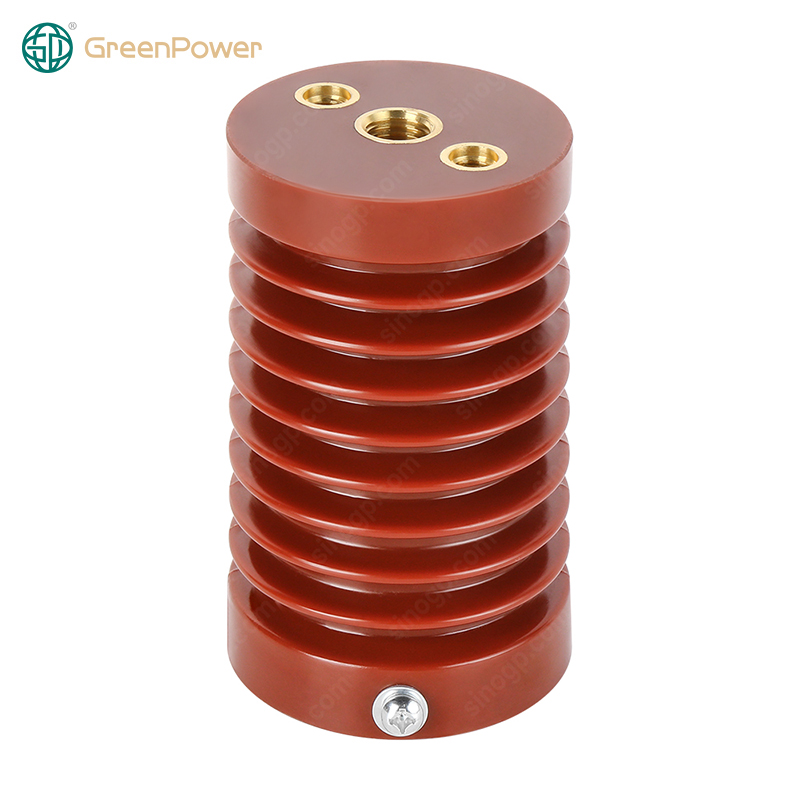
Epoxy encapsulation offers really good dielectric properties, which means it works well even when space is limited between components. Take solid epoxy composites for instance they can handle electric fields above 20 kilovolts per millimeter. That's actually about six times stronger than regular air, which only handles around 3 kV/mm. Because of this high insulation capability, companies don't have to leave as much space between different phases in their designs while still keeping things safe. Plus, the uniform coating acts as protection against all sorts of environmental factors. Moisture gets stopped, dust stays out, and chemicals cant damage what's inside either. All these protections lead to better stability over time and mean fewer maintenance issues down the road for whoever installs these systems.
The medium voltage sector has been making a big move away from traditional air insulated systems toward solid insulated switchgear lately. The main reason? Epoxy encapsulated embedded pole tech offers some serious benefits that just can't be ignored. Companies need equipment they can count on day after day without constant upkeep, especially when space is at a premium in city centers or manufacturing plants. Take a look around most modern facilities these days and chances are good that somewhere between 35 to 45 percent of all new medium voltage setups involve this solid insulation approach. Manufacturers have caught on to what makes sense technically speaking while also cutting down on long term costs through better overall performance.
The modular nature of embedded VCBs makes them a great fit for power systems that need to be built in advance or expanded later on. These units come with fewer parts overall and are much easier to put together, which cuts down on mistakes during installation. Some studies suggest error rates drop around 60% when compared to older models. Plus, they work seamlessly with other supporting equipment right out of the box. This means faster setup times and simpler repairs when something goes wrong. The benefits really stand out in situations where time is money or when facilities grow in stages over several years.
Space saving becomes possible with embedded pole tech because it integrates structures together. When manufacturers use epoxy for insulation and structural support at the same time, they can cut down on phase spacing around 40%. This means equipment takes up far less room on site. The design also fully encloses all live components so there's no need for extra clearance around them. As a result, modern circuit breakers can be about half the size of older versions while still maintaining strong dielectric properties and meeting safety standards. Many companies have reported significant savings in installation costs thanks to these compact designs.
 Hot News
2026-04-25
2026-04-23
2026-04-22
2026-04-21
2026-04-16
2026-04-15

Zhejiang Greenpower Electric Co., Ltd provides high-end green intelligent switchgears for mid-to-high voltage applications. Our R&D expertise and one-stop procurement deliver safe, efficient, energy-saving solutions trusted by global clients. Request a quote today.