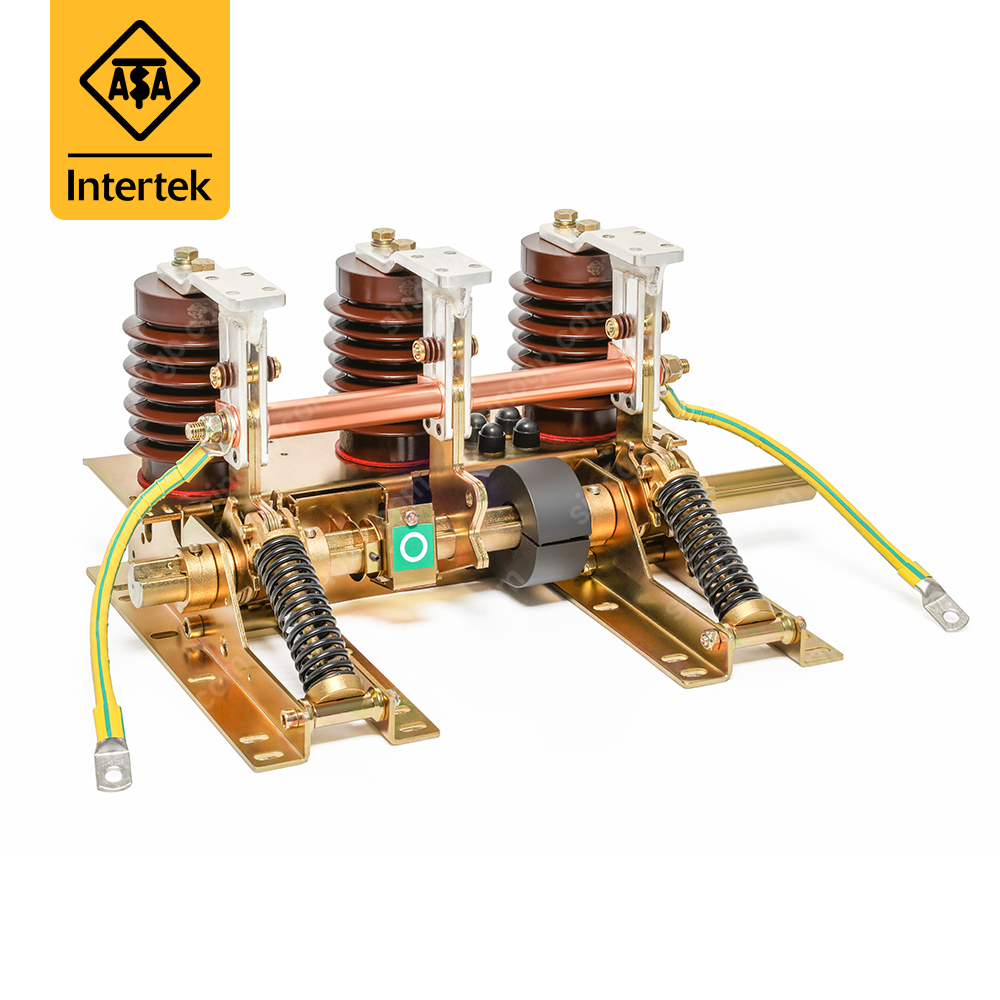
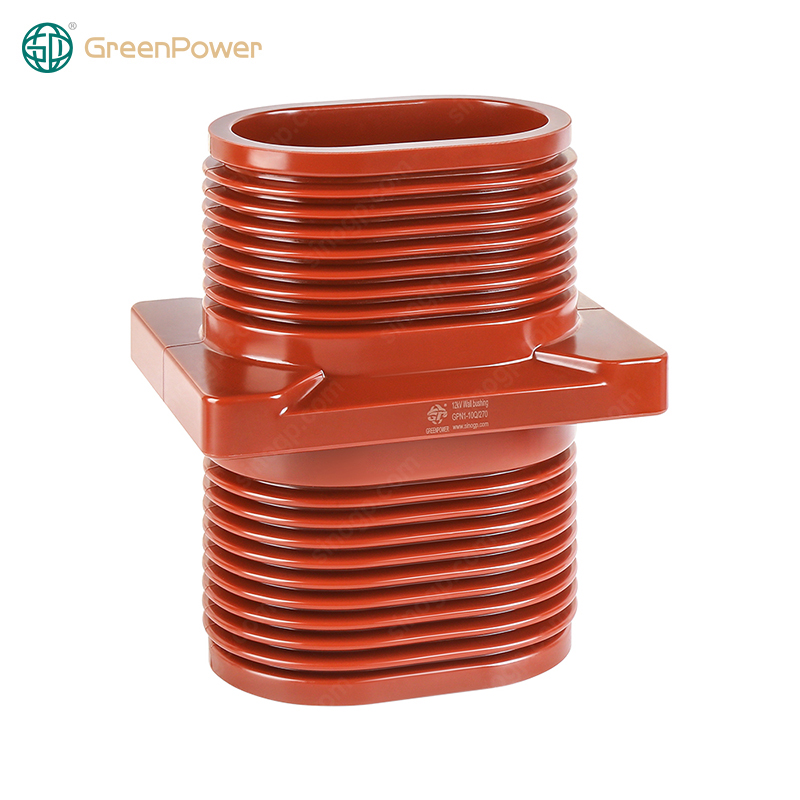
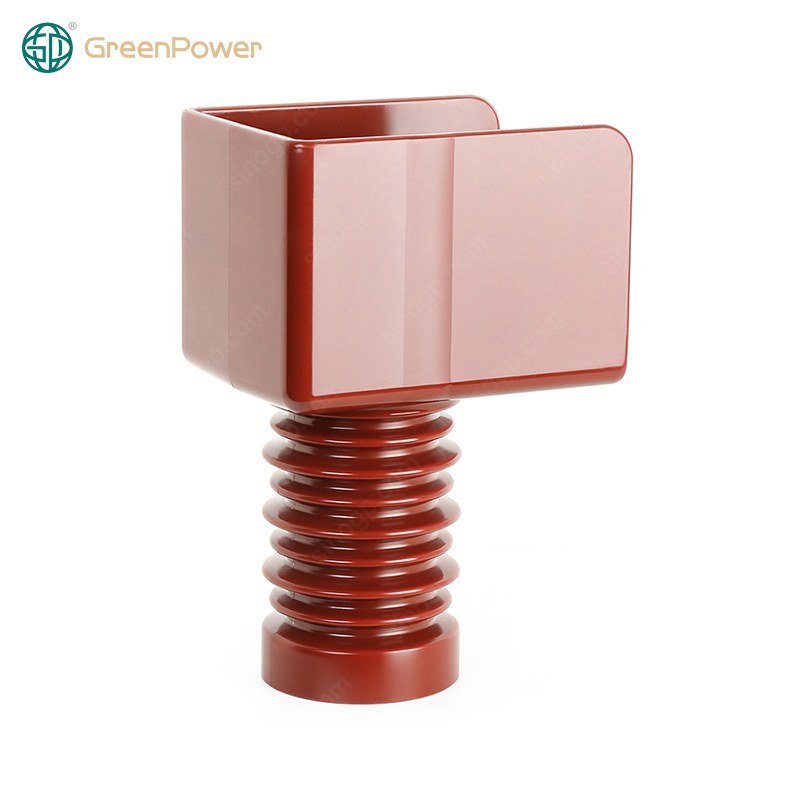
In electrical systems, circuit protection is a non-negotiable part of ensuring safe and stable operation. The VCB chassis, as a core component that supports and collaborates with vacuum circuit breakers, plays an irreplaceable role in circuit protection. Unlike ordinary structural frames, a high-quality VCB chassis integrates safety design, mechanical stability and functional coordination to ensure that the vacuum circuit breaker can respond quickly and accurately when electrical faults occur. Whether in power plants, industrial workshops, commercial buildings or residential communities, the VCB chassis is a key guarantee for preventing circuit overloads, short circuits and other hazards. Let’s explore why the VCB chassis is so critical for circuit protection.
Provides Stable Mechanical Support for Reliable Fault Interruption
The most basic and important role of a VCB chassis is to provide stable mechanical support for the vacuum circuit breaker. The VCB chassis is made of high-strength steel with precise welding and machining processes, ensuring excellent rigidity and load-bearing capacity. It firmly fixes the vacuum circuit breaker, contactors and other core components in the correct position, preventing displacement or loosening caused by vibration, equipment operation or external impacts. When a circuit fault occurs, the vacuum circuit breaker needs to complete the opening operation in an instant to cut off the faulty current. The stable structure of the VCB chassis ensures that the mechanical transmission of the circuit breaker is accurate and smooth, avoiding delays or failures in fault interruption due to structural instability. This reliable mechanical support is the foundation for the vacuum circuit breaker to play its protective role, making the VCB chassis an indispensable part of circuit protection.
Enhances Safety with Comprehensive Insulation and Isolation
Circuit protection not only requires interrupting faulty currents but also preventing electrical hazards such as leakage and arc flash. The VCB chassis is designed with comprehensive insulation and isolation measures to enhance the safety of circuit protection. The internal surfaces of the VCB chassis are coated with high-performance insulation materials that can withstand high voltage and resist aging, effectively preventing current leakage between metal parts. Insulation partitions are installed between different electrical zones to isolate live components from each other, avoiding short circuits or arc flash accidents caused by accidental contact. Additionally, the VCB chassis adopts a sealed structure to prevent dust, moisture and other contaminants from entering, which could degrade insulation performance and affect protection effectiveness. These insulation and isolation designs form a safe barrier for the circuit system, reducing potential safety risks while the vacuum circuit breaker performs protection actions.
Prevents Misoperation with Reliable Interlocking Mechanisms
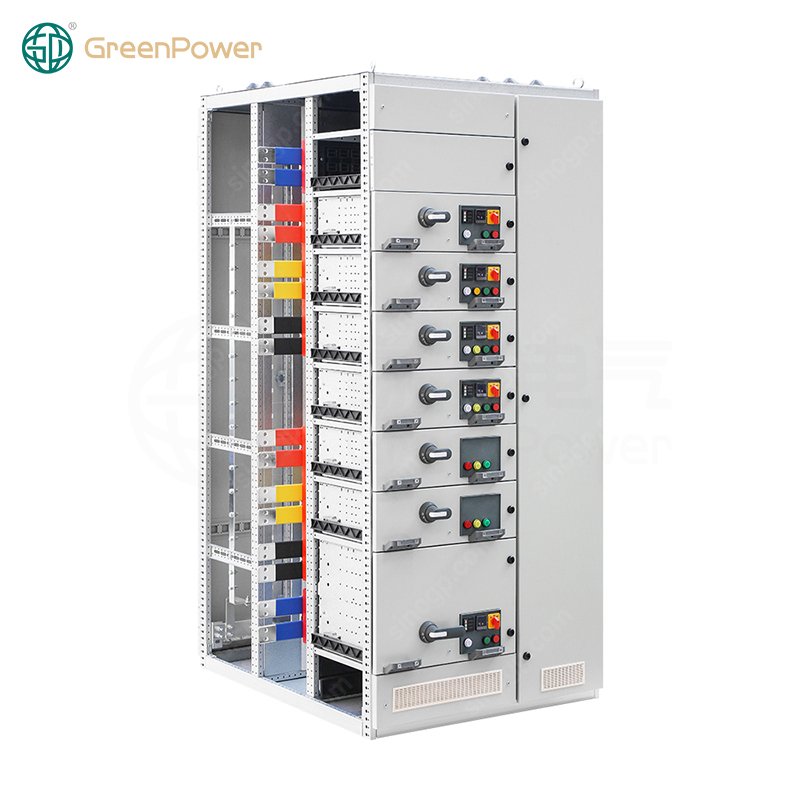
Misoperation is a major hidden danger that affects circuit protection, and the VCB chassis is equipped with reliable interlocking mechanisms to eliminate this risk. The VCB chassis integrates mechanical interlocks between the chassis’s drawer position and the vacuum circuit breaker’s on-off state. For example, the circuit breaker can only be closed when the chassis is fully pushed into the working position, and the chassis cannot be pulled out when the circuit breaker is in the closed state. This prevents operators from accidentally opening or closing the circuit breaker during maintenance or inspection, avoiding unnecessary power outages or electrical accidents. Some VCB chassis also have electrical interlocks that connect to the system’s control circuit, automatically cutting off the control power if the chassis is not in the correct position. These interlocking mechanisms ensure that the operation of the vacuum circuit breaker complies with safety procedures, making circuit protection more reliable and avoiding human-induced protection failures.
Ensures Stable Operation with Efficient Heat Dissipation
Excessive heat accumulation in electrical components can lead to performance degradation or even burnout, which directly affects the effectiveness of circuit protection. The VCB chassis is designed with an efficient heat dissipation system to ensure that the vacuum circuit breaker and other components operate within a safe temperature range. The VCB chassis is designed with reasonable ventilation channels that allow air to circulate freely, quickly dissipating the heat generated by the circuit breaker during operation. Some high-power VCB chassis are also equipped with heat dissipation fins or auxiliary fans to enhance heat dissipation efficiency. The materials used in the VCB chassis have good thermal conductivity, which helps transfer heat from the internal components to the external environment. By effectively controlling temperature rise, the VCB chassis prevents overheating-related failures of the vacuum circuit breaker, ensuring that it can maintain stable performance and respond quickly when circuit protection is needed.
Improves Protection Continuity with Durable and Maintainable Design
The continuity of circuit protection is crucial for electrical systems, and the VCB chassis’s durable and maintainable design ensures long-term reliable protection. The VCB chassis is made of corrosion-resistant and wear-resistant materials, and its surface is treated with anti-rust and anti-corrosion coatings, which can withstand harsh working environments and extend service life. The modular design of the VCB chassis makes maintenance convenient—detachable panels and accessible inspection ports allow operators to quickly check the status of internal components and perform maintenance without disassembling the entire chassis. The standardized layout of components and wiring also facilitates troubleshooting and component replacement, reducing downtime. This durable and maintainable design ensures that the VCB chassis can maintain good performance for a long time, supporting the vacuum circuit breaker to continuously play its circuit protection role and avoiding protection interruptions caused by chassis failures.
In conclusion, the VCB chassis is critical for circuit protection due to its stable mechanical support, comprehensive insulation and isolation, reliable interlocking mechanisms, efficient heat dissipation, and durable maintainable design. It collaborates closely with the vacuum circuit breaker to form a complete circuit protection system, ensuring that electrical systems can quickly respond to faults, prevent hazards and maintain stable operation. As electrical systems become more complex and intelligent, the role of the VCB chassis in circuit protection will become more prominent. Investing in high-quality VCB chassis is a key measure to improve the reliability and safety of circuit protection, which is of great significance for protecting electrical equipment, personnel safety and property interests.

 Hot News