Safe Isolation and Offline Maintenance
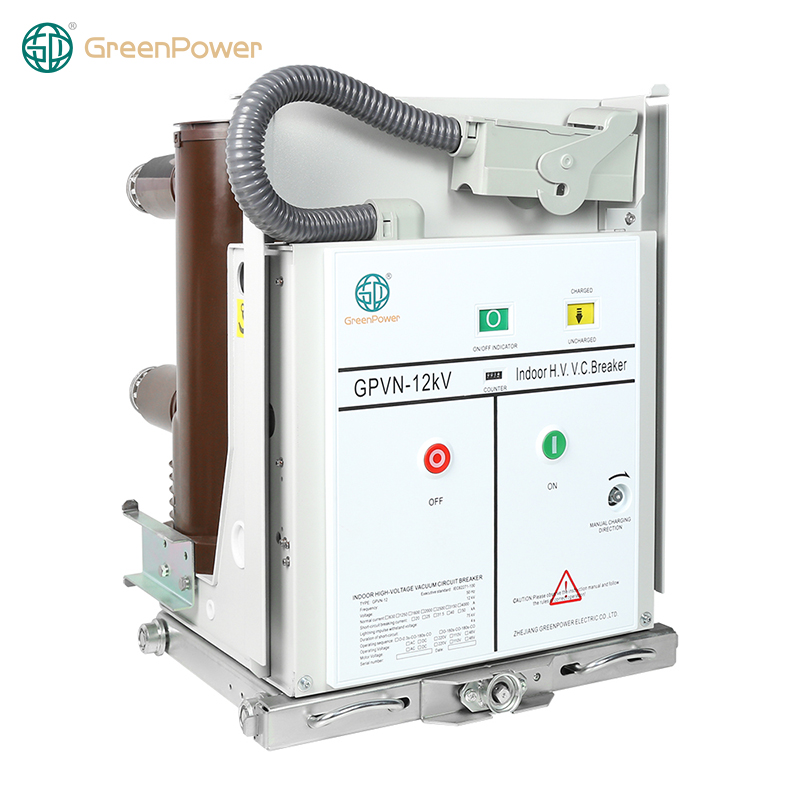
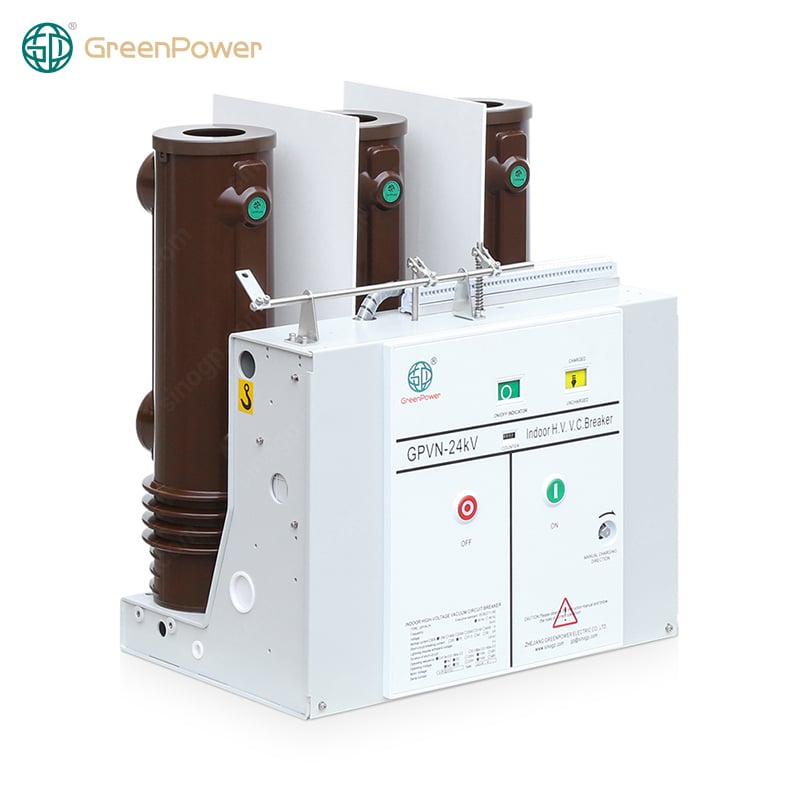
A withdrawable vacuum circuit breaker is designed to be easily withdrawn from the switchgear assembly, creating a clear physical isolation between the breaker and live components. This design fundamentally transforms maintenance practices by allowing all inspections, repairs, and component replacements to be performed offline, away from energized parts. Our withdrawable vacuum circuit breaker integrates precision guiding rails and reliable interlocking mechanisms that follow IEC 62271-200 and GB 3906 standards, ensuring safe and stable movement between connected, test, and disconnected positions. During my 14 years of field service across industrial plants and utility substations, I’ve seen this feature eliminate many high-risk maintenance scenarios. Unlike fixed-mounted breakers that require full system shutdowns and complex safety preparations, our withdrawable design allows maintenance teams to work safely on the withdrawn vacuum circuit breaker while the rest of the switchgear remains energized. This not only protects personnel from electrical hazards but also prevents accidental damage to live components during maintenance. The complete isolation capability turns high-risk maintenance into a controlled, safe procedure, significantly reducing safety incidents and compliance burdens.
Rapid Replacement and Minimal Downtime
One of the most significant maintenance advantages of a withdrawable vacuum circuit breaker is its ability to minimize system downtime through fast replacement. When a fault occurs or scheduled maintenance is needed, the entire breaker can be quickly withdrawn and replaced with a spare unit in minutes, rather than hours. Our design features smooth rolling elements and balanced weight distribution, enabling a single technician to safely move the vacuum circuit breaker without special lifting equipment. This was dramatically demonstrated in a 2024 cement plant project where a critical production line faced unexpected breaker failure. Using our withdrawable vacuum circuit breaker design, the maintenance team replaced the faulty unit in just 18 minutes, compared to the 6+ hours required for a fixed breaker replacement. This rapid exchange capability directly reduces production losses and revenue impact. According to EPRI studies, medium-voltage system downtime costs industrial users an average of $150,000 per hour, making this maintenance efficiency a substantial financial benefit. Our vacuum circuit breaker's modular construction ensures perfect alignment and electrical contact during reinsertion, maintaining performance specifications without complex adjustments after replacement.
Simplified Inspection and Condition Assessment
Regular condition assessment is essential for preventive maintenance, and the withdrawable design makes these procedures far more efficient. When withdrawn, the vacuum circuit breaker provides complete, unobstructed access to all components—including the vacuum interrupter, operating mechanism, contacts, and control modules—making visual inspections and detailed testing significantly easier. Our vacuum circuit breaker incorporates several maintenance-friendly features, such as clear wear indicators, accessible test points, and standardized connection interfaces that simplify diagnostic procedures. The withdrawable design allows comprehensive testing—including insulation resistance, contact resistance, and operation timing tests—to be performed on a bench or in a controlled workshop environment, rather than within the confined space of a switchgear cabinet. IEEE Standard C37.20.2 specifically notes that withdrawable designs facilitate proper maintenance by allowing complete access for inspection and testing. This accessibility means potential issues can be identified earlier and addressed more thoroughly, preventing minor problems from developing into major failures. Our technical team regularly trains customers on efficient inspection techniques for our withdrawable vacuum circuit breaker, helping them establish optimal preventive maintenance schedules.
Modular Component Servicing and Reduced Complexity
The withdrawable vacuum circuit breaker's design aligns perfectly with modular maintenance principles, allowing individual components to be serviced or replaced without complete system disassembly. Our vacuum circuit breaker features a highly modular construction with easily replaceable components—including the operating mechanism, control modules, and auxiliary circuits—all accessible when the unit is withdrawn. This modular approach reduces maintenance complexity and requires fewer specialized tools. For example, the spring operating mechanism in our vacuum circuit breaker can be replaced in under 30 minutes, and the control module in just 15 minutes, without specialized training. During a water treatment plant upgrade project, this modularity reduced maintenance time by 65% compared to older, non-withdrawable designs. The ability to perform component-level maintenance extends the service life of the vacuum circuit breaker and optimizes spare parts inventory. Instead of stocking entire breakers, facilities can maintain a focused inventory of critical modules, reducing capital tied up in spare parts. Leading industry experts emphasize that modular, withdrawable designs are key to modern maintenance efficiency, as outlined in CIGRE technical brochures on switchgear maintenance optimization. Our design ensures consistent performance across replacements, with all critical parameters pre-set at the factory to minimize on-site adjustments.
Extended Service Life and Long-Term Cost Efficiency
The comprehensive maintenance advantages of the withdrawable vacuum circuit breaker directly translate to longer service life and superior total cost efficiency. By allowing regular, thorough maintenance without the constraints of in-cabinet work, the vacuum circuit breaker maintains optimal performance throughout its lifecycle. Our withdrawable vacuum circuit breaker features robust construction with corrosion-resistant materials and precision-engineered moving parts that withstand repeated withdrawal and insertion cycles. The mechanical life exceeds 50,000 operations, with the vacuum interrupter maintaining its performance for up to 30,000 full-capacity interruptions. Regular maintenance, simplified by the withdrawable design, prevents performance degradation and extends the operational life beyond standard fixed designs. In a 10-year comparative analysis conducted with a utility client, our withdrawable vacuum circuit breaker showed 40% fewer failures and 35% lower maintenance costs than competitive fixed designs. The ability to perform complete overhauls offline ensures consistent performance and reduces the likelihood of unexpected failures. As noted in industry maintenance guidelines, equipment receiving regular, accessible maintenance lasts significantly longer and performs more reliably. Our withdrawable vacuum circuit breaker, supported by our 30+ years of switchgear expertise and comprehensive after-sales support, delivers exceptional long-term value by minimizing total ownership costs while maximizing reliability and availability.

 Hot News