Superior Insulation Performance and Structural Stability
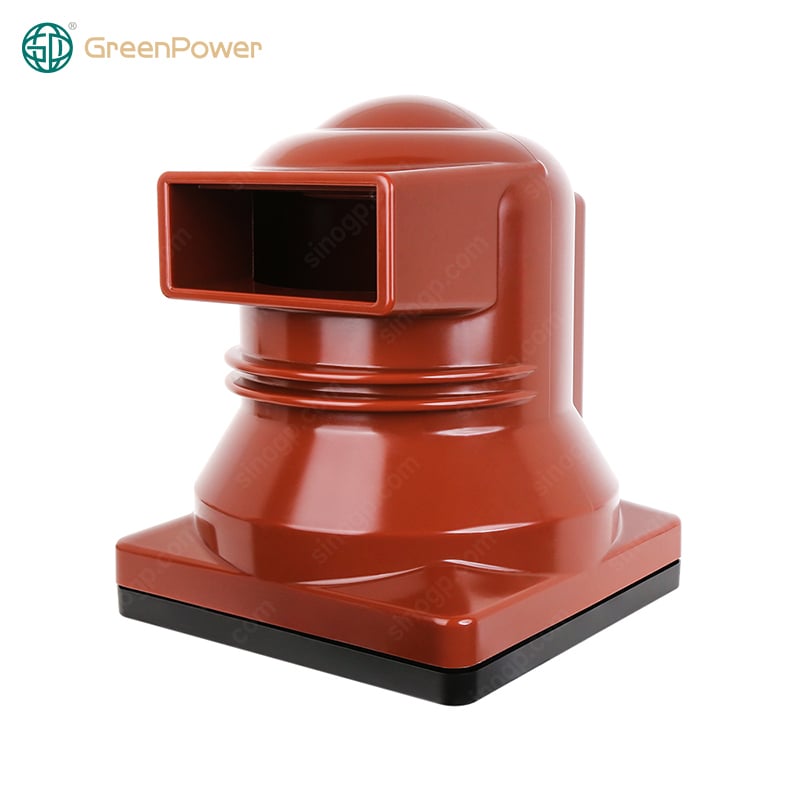
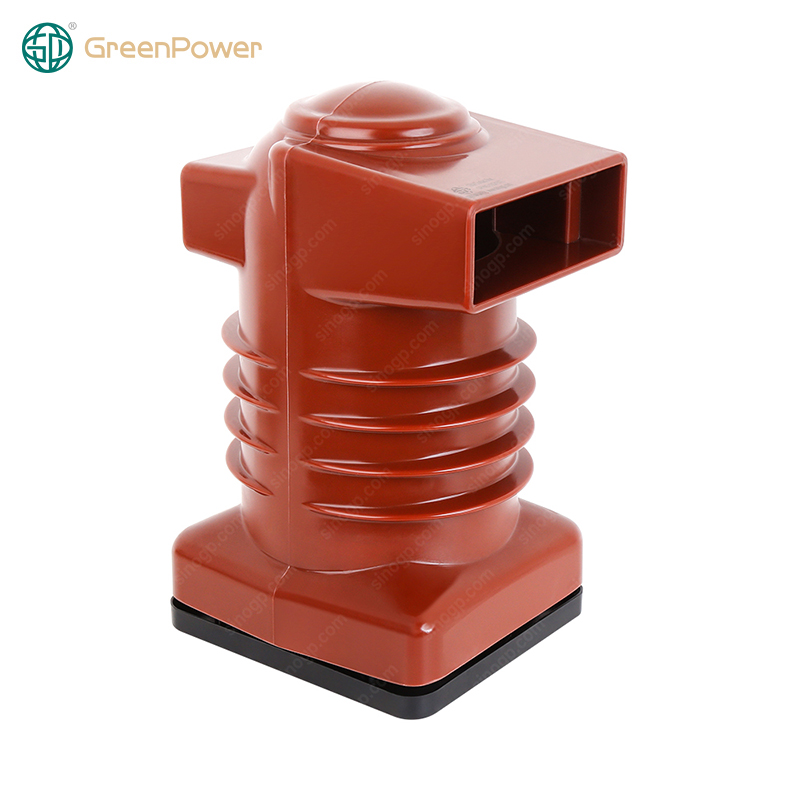
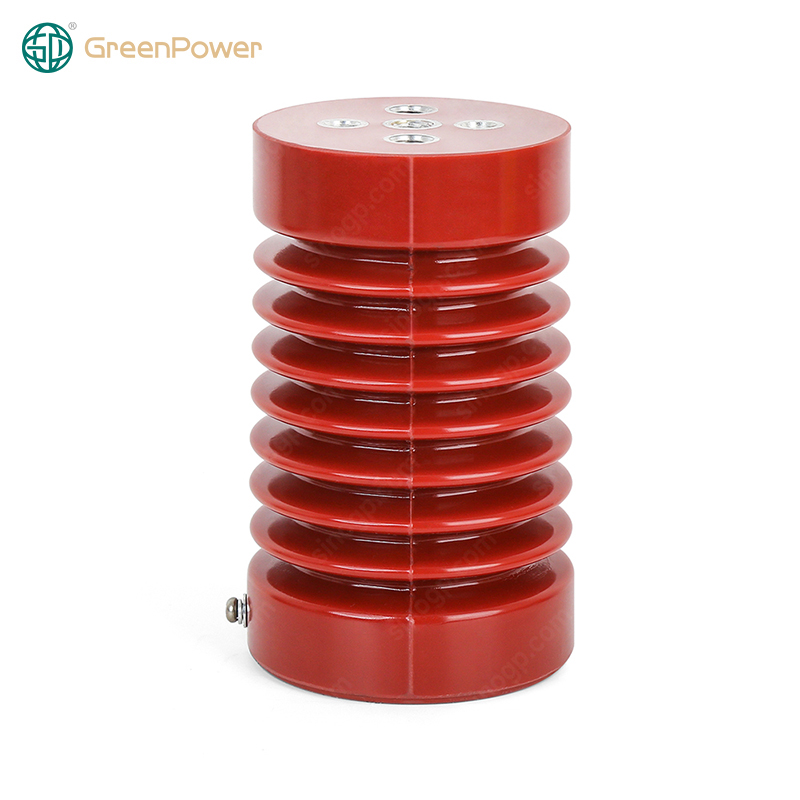
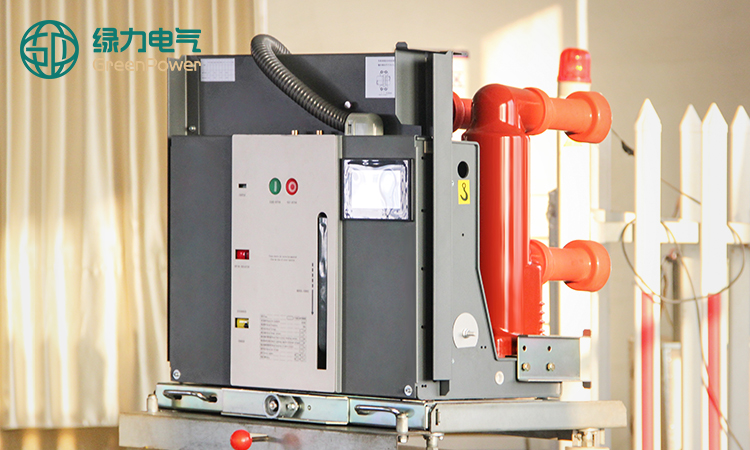
An insulating sleeve vacuum circuit breaker integrates a high-performance vacuum interrupter with a specially designed insulating sleeve, forming a compact and highly reliable switching unit for medium‑voltage power systems. The insulating sleeve provides excellent electrical insulation, mechanical support, and environmental protection, while the vacuum circuit breaker ensures fast and safe current interruption. At GreenPower Electric, our insulating sleeve vacuum circuit breaker is developed based on over 30 years of switchgear R&D experience, matching our 12kV, 24kV, and 40.5kV switchgear platforms. It uses high‑quality epoxy resin insulating sleeves similar to our GPN24/593 24kV insulating sleeve, delivering outstanding insulation strength, creepage distance, and resistance to tracking. This design effectively isolates live parts, enhances phase‑to‑phase and phase‑to‑ground insulation, and maintains stable performance in harsh conditions. The combination of the insulating sleeve and vacuum circuit breaker meets IEC, IEEE, and GB standards, and has obtained ASTA, KEMA, TÜV, and CE certifications, ensuring reliable operation in power grids, industrial plants, and infrastructure projects worldwide.
Enhanced Safety and Environmental Adaptability
Safety is a core advantage of the insulating sleeve vacuum circuit breaker, addressing key risks in medium‑voltage distribution systems. The fully enclosed insulating sleeve prevents accidental contact with live components, reduces arc flash hazards, and contains any internal arcs to protect surrounding equipment and personnel. Unlike traditional designs, this solution minimizes fire, explosion, or leakage risks, making it ideal for crowded industrial facilities, underground stations, and environmentally sensitive areas. Our insulating sleeve vacuum circuit breaker operates reliably in temperatures ranging from −25°C to +45°C and at altitudes up to 2000 meters, fully compatible with the environmental requirements of our GPM1 low‑voltage cabinets and GPR6 air‑insulated switchgear. It also offers strong resistance to moisture, dust, corrosion, and vibration, maintaining insulation and switching performance even in harsh industrial sites. With built‑in mechanical interlocks and clear operation indicators, the device prevents misoperation and improves on‑site safety during installation, commissioning, and maintenance.
Long Service Life and Low Maintenance Requirements
Based on my 15 years of field engineering experience across Asia, Europe, and Africa, the insulating sleeve vacuum circuit breaker delivers exceptional economic value through long service life and reduced maintenance. The vacuum circuit breaker inside has minimal contact wear due to the high vacuum environment, resulting in long mechanical and electrical endurance. The protective insulating sleeve reduces erosion from dust and moisture, further extending the service life of the whole unit. In a tailing filtering power plant project in Indonesia, our insulating sleeve vacuum circuit breaker reduced maintenance frequency by more than 70% compared with conventional equipment, extending maintenance intervals from a few months to over one year. GreenPower provides free engineering support and after‑sales guidance for all vacuum circuit breaker products, helping customers quickly resolve on‑site issues. The modular structure allows easy inspection and parts replacement without specialized tools, lowering labor and downtime costs. These features align with our commitment to reducing total lifecycle costs for global customers.
Excellent Breaking Capacity and System Compatibility
The insulating sleeve vacuum circuit breaker combines the strong breaking capability of the vacuum circuit breaker with the structural advantages of the insulating sleeve, ensuring stable performance under rated and fault conditions. It can quickly and reliably interrupt short‑circuit currents up to 31.5kA and supports frequent operation for motor control, capacitor switching, and distribution protection. Leading industry authorities such as CIGRE and EPRI recognize vacuum switching technology as a highly reliable solution for medium‑voltage systems, with failure rates several times lower than air or oil‑insulated alternatives. Our product is fully compatible with GreenPower’s metal‑clad switchgear, gas‑insulated switchgear, and ring main units, including the GPN1 removable metal‑clad series and GPR2 SF6‑insulated RMU. It supports fixed and draw‑out configurations, offering flexible integration into new systems or retrofits. The compact design saves space in switchgear panels, supporting the trend of miniaturized and intelligent substations while improving overall system stability and uptime.
Intelligent Development and Green Application Trends
The insulating sleeve vacuum circuit breaker is evolving toward intelligence, energy saving, and environmental protection, matching global trends in modern power systems. GreenPower integrates advanced monitoring and sensing technologies into our vacuum circuit breaker designs, supporting real‑time data collection, condition diagnosis, and remote control. These intelligent features help achieve predictive maintenance, reduce unexpected downtime, and improve system management efficiency. As an environmentally friendly solution, our insulating sleeve vacuum circuit breaker uses clean vacuum interruption technology without harmful gases, supporting green and low‑carbon development. It is widely used in our non‑SF6 gas‑insulated switchgear and dry‑air insulated ring main units, helping customers reduce carbon emissions and meet sustainability goals. With over 150 patented designs and 3650 completed projects, GreenPower continues to optimize the insulating sleeve vacuum circuit breaker for higher performance, smarter functions, and better environmental compatibility. It remains an essential component for safe, reliable, and sustainable medium‑voltage power distribution.

 Hot News